
How Shopify App Market Revolutionizes Mobile App Marketing
 11 min read
The Shopify App Store empowers businesses to succeed in mobile commerce by offering powerful apps for marketing, personalization, analytics, and customer engagement. Leveraging the right tools helps drive mobile traffic, boost conversions, enhance user experience, and build long-term customer loyalty.
The Shopify App Store has transformed how entrepreneurs think about mobile commerce. With over 8,000 apps available and millions of merchants worldwide, this marketplace has become a goldmine for developers and a strategic advantage for businesses looking to enhance their mobile app marketing efforts.
But here’s what most people don’t realize: the Shopify app ecosystem isn’t just about adding functionality to your store. It’s a sophisticated platform that can supercharge your mobile app marketing strategy, drive customer engagement, and boost conversions in ways traditional marketing channels simply can’t match.
Whether you’re a seasoned e-commerce veteran or just starting your entrepreneurial journey, understanding how to leverage Shopify’s app market can be the difference between a struggling online store and a thriving mobile-first business.
Why the Shopify App Market Matters for Mobile Commerce

The mobile commerce landscape has exploded over the past few years. Mobile devices now account for over 54% of all e-commerce traffic, and that number continues to climb. This shift has created unprecedented opportunities for businesses that can effectively reach customers on their smartphones and tablets.
Shopify’s app marketplace serves as the bridge between traditional e-commerce and mobile-first marketing strategies. Unlike standalone marketing tools, Shopify apps integrate seamlessly with your existing store infrastructure, creating a unified experience that extends from your website to mobile devices.
The beauty of this ecosystem lies in its versatility. Apps can handle everything from push notifications and SMS marketing to social media integration and customer loyalty programs. This comprehensive approach means you can create cohesive mobile app marketing campaigns that touch every aspect of the customer journey.
Essential App Categories for Mobile App Marketing Success

Customer Communication Apps
Push notifications and SMS marketing apps form the backbone of effective mobile app marketing. These tools allow you to reach customers instantly on their mobile devices, driving immediate engagement and sales.
Popular apps in this category include PushOwl for web push notifications and Klaviyo for advanced SMS marketing. These platforms help you segment your audience, create personalized messages, and track performance across different mobile channels.
The key to success with communication apps is timing and relevance. The best mobile app marketing strategies use these tools to send targeted messages based on customer behavior, purchase history, and browsing patterns.
Social Media Integration Tools
Social media apps help you extend your Shopify store’s reach across popular mobile platforms like Instagram, TikTok, and Facebook. These integrations are crucial for mobile app marketing because they meet customers where they already spend their time.
Apps like Facebook & Instagram by Meta and TikTok allow you to sync your product catalog directly with social platforms, creating seamless shopping experiences that start on social media and end with a purchase on your mobile-optimized store.
Analytics and Tracking Solutions
Understanding your mobile app marketing performance requires robust analytics tools. Shopify’s app market offers sophisticated tracking solutions that go far beyond basic store analytics.
Apps like Google Analytics Enhanced Ecommerce and Hotjar provide detailed insights into mobile user behavior, helping you optimize your marketing campaigns and improve the mobile shopping experience. These tools track everything from mobile traffic sources to conversion paths, giving you the data needed to make informed marketing decisions.
Loyalty and Retention Programs
Mobile app marketing isn’t just about acquiring new customers—it’s about keeping them engaged and coming back. Loyalty program apps help you build lasting relationships with your mobile audience.
Platforms like Smile.io and LoyaltyLion create point-based systems, referral programs, and VIP tiers that encourage repeat purchases. These apps often include mobile-specific features like app-only rewards and push notification integration.
Enhancing Customer Engagement with Gamification
Gamification apps in Shopify help make mobile shopping more interactive and fun, boosting engagement and repeat visits. By incorporating points, badges, rewards, or challenges, businesses can motivate customers to explore products, complete purchases, and participate in loyalty programs. Gamified experiences create a sense of achievement and encourage social sharing, increasing brand visibility. Apps like Smile.io and Gameball allow merchants to implement gamification seamlessly within their mobile stores. This strategy not only enhances customer engagement but also fosters long-term loyalty. When executed thoughtfully, gamification transforms ordinary shopping interactions into memorable, motivating, and conversion-driven experiences.
Optimizing Mobile SEO through Shopify Apps
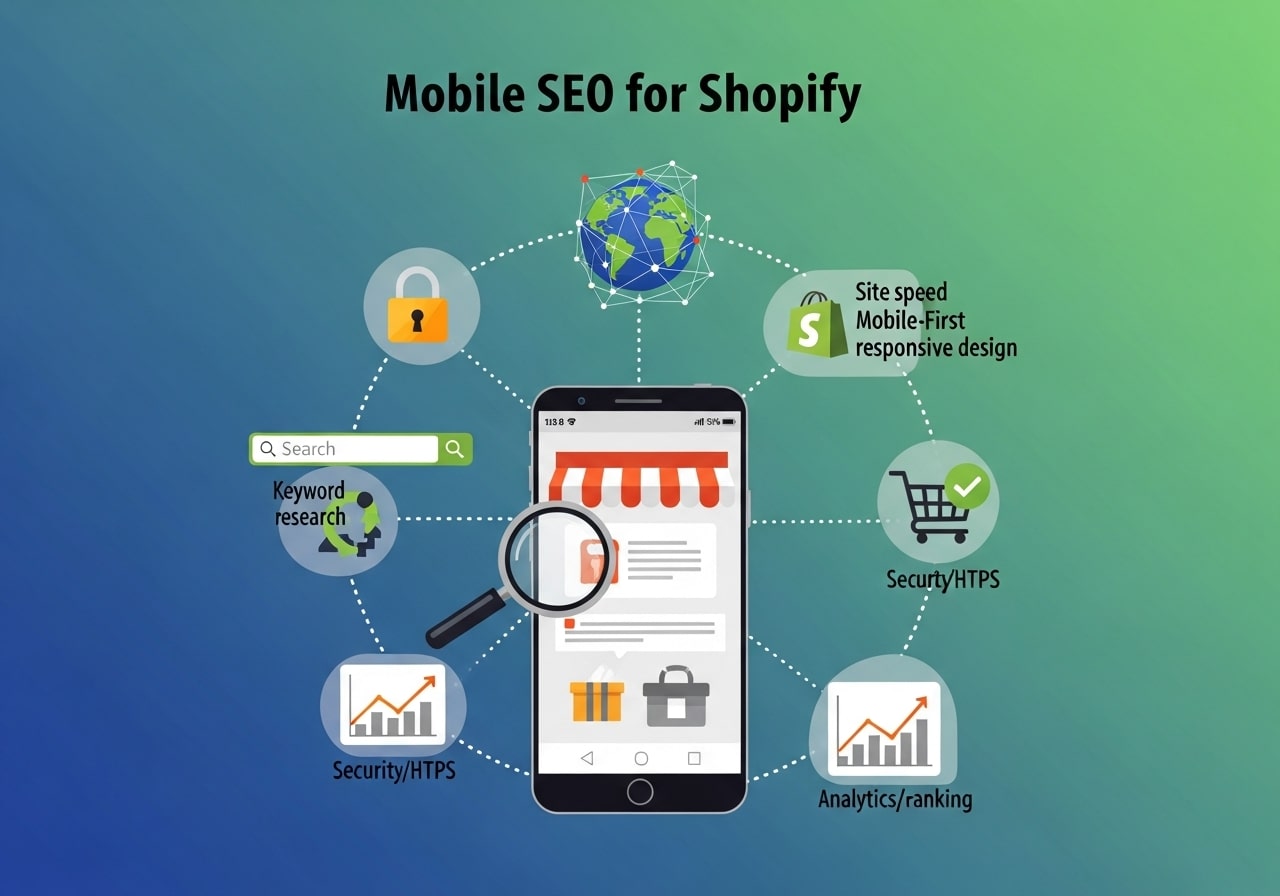
Mobile search optimization is critical as more customers shop directly from their smartphones. Shopify apps that focus on mobile SEO help businesses improve page load speed, responsive design, and mobile-friendly metadata. Fast-loading pages reduce bounce rates and improve search rankings, while apps can also optimize images, structured data, and internal linking for better mobile visibility. Tools like Plug in SEO and SEO Manager assist merchants in monitoring performance and implementing on-page fixes. By prioritizing mobile SEO, businesses can attract organic traffic, enhance the mobile user experience, and ultimately increase conversions, ensuring their store remains competitive in a mobile-first marketplace.
Enhancing Customer Support through Mobile Apps
Providing responsive and effective customer support is vital for mobile-first shoppers. Shopify apps such as Tidio, Gorgias, and Re: amaze offer live chat, AI-driven assistance, and integrated ticketing systems directly within mobile stores. These tools enable real-time support, resolving queries quickly and improving the overall shopping experience. Mobile-optimized support apps ensure customers can reach out conveniently, leading to higher satisfaction, trust, and retention. Additionally, analytics from these apps help businesses identify recurring issues and optimize processes. By integrating customer support into mobile commerce, businesses create a seamless experience, turning potential friction points into opportunities for engagement and brand loyalty.
Leveraging Subscription and Recurring Revenue Models
Subscription apps in Shopify allow businesses to build recurring revenue streams by offering auto-renewal products or services. Apps like Recharge and Bold Subscriptions facilitate seamless mobile sign-ups, subscription management, and personalized renewal reminders. By providing flexibility in delivery, billing, and product choices, businesses can increase customer retention and the predictability of revenue. Mobile users benefit from an intuitive interface, easy plan adjustments, and timely notifications. Recurring revenue models enhance lifetime customer value while simplifying inventory and sales forecasting. For businesses focused on mobile-first commerce, subscription apps are a strategic tool to secure ongoing engagement, encourage loyalty, and stabilize cash flow for sustainable growth.
Expanding Reach with Multichannel Mobile Marketing
Shopify apps enable businesses to market across multiple mobile channels, including email, social media, push notifications, and SMS. Multichannel marketing ensures customers encounter consistent messages wherever they engage, increasing visibility and conversions. Apps like Omnisend, Klaviyo, and Privy allow merchants to segment audiences, automate campaigns, and track cross-channel performance. Coordinated campaigns can drive repeat purchases, recover abandoned carts, and enhance brand awareness. For mobile shoppers, seamless transitions between channels—like moving from a social media ad to a mobile checkout—improve convenience and satisfaction. Multichannel mobile marketing empowers businesses to maximize reach, engagement, and ROI, creating a unified customer journey across devices and platforms.
Strategies for Maximizing Your Mobile App Marketing Through Shopify
Create a Mobile-First App Strategy
Your approach to the Shopify app market should prioritize mobile experiences from the start. This means choosing apps that offer responsive design, fast loading times, and intuitive mobile interfaces.
Before installing any app, test its mobile performance. Poor mobile optimization can hurt your search rankings and drive away potential customers. The best mobile app marketing strategies ensure every tool in your tech stack enhances rather than hinders the mobile experience.
Integrate Marketing Channels
The most successful Shopify stores use apps that work together seamlessly. Your email marketing app should integrate with your social media tools, which should connect to your analytics platform, and so on.
This integration approach allows you to create unified mobile app marketing campaigns that deliver consistent messaging across all touchpoints. Customers might discover your brand through a TikTok ad, join your email list for a discount, and complete their purchase through a push notification—all powered by integrated Shopify apps.
Leverage Data for Personalization
Mobile app marketing thrives on personalization, and Shopify’s app ecosystem provides the tools to deliver it. Use customer data from your analytics apps to create targeted campaigns through your communication tools.
For example, you might use browsing data to trigger abandoned cart emails, or purchase history to recommend complementary products through push notifications. This level of personalization is what separates successful mobile app marketing from generic mass marketing.
Optimize for Mobile Conversions
Your mobile app marketing efforts should ultimately drive conversions. This means choosing apps that streamline the mobile checkout process, offer mobile payment options, and reduce friction at every step.
Apps like Shop Pay and various one-click checkout solutions can significantly improve your mobile conversion rates. Remember, even the best mobile app marketing campaigns will fail if your mobile checkout process is complicated or slow.
Measuring Success in the Shopify App Ecosystem
Key Performance Indicators
Effective mobile app marketing requires tracking the right metrics. Focus on mobile-specific KPIs like mobile conversion rate, mobile traffic percentage, and mobile customer lifetime value.
Your Shopify apps should provide detailed reporting on these metrics. If they don’t, consider upgrading to more robust analytics solutions that can track mobile performance across all your marketing channels.
ROI Tracking
Every app in your Shopify store should contribute to your bottom line. Calculate the return on investment for each marketing app by comparing its monthly cost to the revenue it generates.
This approach helps you identify which apps are truly driving your mobile app marketing success and which ones might be unnecessary expenses.
Continuous Optimization
The Shopify app market constantly evolves, with new tools and features launching regularly. Stay informed about updates to your existing apps and emerging solutions that could enhance your mobile app marketing efforts.
Regular audits of your app stack ensure you’re using the most effective tools and not paying for redundant functionality.
Building Your Mobile-First E-commerce Empire
The Shopify app market represents more than just a collection of tools—it’s a gateway to mobile commerce success. By strategically selecting and implementing the right apps, you can create a mobile app marketing system that drives consistent growth and customer engagement.
Start by auditing your current mobile performance and identifying gaps in your marketing strategy. Then, explore the Shopify app market with a focus on mobile optimization and integration capabilities. Remember, the goal isn’t to install as many apps as possible, but to choose the right combination that enhances your customers’ mobile experience while driving your business objectives.
The future of e-commerce is mobile, and the Shopify app market provides everything you need to thrive in this mobile-first world. Take action today by exploring the apps mentioned in this guide and developing a mobile app marketing strategy that positions your business for long-term success.
FAQ: Shopify App Store & Mobile App Marketing
1. What is the Shopify App Store?
The Shopify App Store is a marketplace with over 8,000 apps that help merchants extend their store functionality. It enables businesses to enhance mobile commerce, marketing, customer engagement, and overall store performance.
2. Why is mobile app marketing important for Shopify stores?
Mobile devices account for the majority of e-commerce traffic. Mobile app marketing allows businesses to reach customers directly on their smartphones, increasing engagement, driving conversions, and improving loyalty.
3. Which app categories are essential for mobile app marketing?
Key categories include customer communication (push notifications, SMS), social media integration, analytics and tracking, and loyalty/retention programs. Each supports different aspects of the mobile customer journey.
4. How do Shopify apps help personalize marketing?
Apps collect and analyze customer behavior, browsing, and purchase history to deliver targeted campaigns, personalized recommendations, and timely notifications, improving engagement and conversion rates.
5. How can businesses measure mobile marketing success on Shopify?
Track mobile-specific KPIs like mobile conversion rate, mobile traffic percentage, and mobile customer lifetime value. ROI can be calculated by comparing app costs against revenue generated.
6. How can Shopify apps be integrated for better results?
Integrating apps across marketing channels—email, social media, analytics, and push notifications—creates a unified mobile experience, ensures consistent messaging, and boosts overall marketing effectiveness.
7. How often should businesses optimize their Shopify app strategy?
Regularly audit your app stack, monitor analytics, and test new tools. Continuous optimization ensures apps remain effective, avoid redundancy, and adapt to changing customer behavior and mobile trends.
8. Can Shopify apps improve mobile checkout conversions?
Yes. Apps like Shop Pay and one-click checkout solutions streamline mobile transactions, reduce friction, and enhance the customer experience, which significantly improves mobile conversion rates.
9. Are there free Shopify apps for mobile marketing?
Yes, many Shopify apps offer free plans or trials, but paid apps often provide advanced features, deeper analytics, and better integration for scaling mobile marketing strategies.
10. How should a business start with mobile app marketing on Shopify?
Begin by auditing your current mobile performance, identifying gaps, selecting apps that prioritize mobile optimization, and integrating them into a cohesive marketing strategy. Focus on quality and relevance rather than quantity.

ASO App Store Optimization: The Ultimate Guide for Growth

Advanced Push Notification Strategies to Skyrocket Mobile App Conversions

Contextual Marketing in Mobile Apps: Crafting Real-Time Experiences That Convert
