
Influencer Marketing helps mobile apps gain visibility, build trust, and drive high-quality downloads through authentic creator partnerships. By targeting niche audiences, tracking performance, and leveraging multiple platforms, app marketers can reduce acquisition costs and increase engagement. Strategic influencer collaborations not only boost installs but also improve retention, brand credibility, and long-term growth in today’s competitive app marketplace.
In today’s crowded app marketplace, standing out requires more than traditional ads. Influencer marketing has emerged as a powerful channel to connect with engaged audiences, build trust, and drive downloads. In this comprehensive guide, we explore why influencer marketing works for mobile apps, how to plan and execute campaigns, measure performance, and avoid common mistakes. Whether you’re launching a new app or aiming to boost active users, these proven strategies will help you leverage influencers effectively.
What Is Influencer Marketing?

Influencer Marketing is a strategy where brands collaborate with individuals who have built credibility, authority, and loyal audiences across platforms such as Instagram, TikTok, YouTube, blogs, and other digital communities. These creators promote products or services through authentic, relatable content that feels natural to their followers. For mobile apps, influencers often demonstrate real usage, highlight key features, and share personal experiences that showcase the app’s value in everyday scenarios.
Unlike traditional advertising, Influencer Marketing relies on trust and connection rather than direct selling. Followers view influencer recommendations as genuine endorsements, which reduces skepticism and increases the likelihood of downloads. This approach allows brands to reach highly targeted audiences in a more engaging and persuasive way. When executed strategically, Influencer Marketing not only boosts visibility but also builds brand credibility, strengthens community engagement, and drives higher conversion rates compared to standard paid ads.learn more about Important to Marketers.
Why Influencer Marketing Works for Mobile Apps
1. Targeted Reach: Influencers cater to niche communities—gaming enthusiasts, fitness buffs, finance followers—allowing you to reach high-intent users.
2. Social Proof: A recommendation from a trusted influencer carries authority and reduces perceived risk.
3. Engagement: Influencer content (stories, reels, live streams) often sees higher engagement than branded posts.
4. Cost Efficiency: Micro-influencers with smaller but loyal followings can deliver excellent ROI compared to broad ad buys.
The Power of Influencer Marketing in the App Economy
Influencer Marketing has transformed how mobile apps attract and convert users. In an overcrowded marketplace where millions of apps compete for visibility, consumers trust people far more than advertisements. Influencers act as bridges between brands and audiences, offering authentic recommendations that feel natural rather than promotional. For mobile apps, this credibility accelerates downloads and builds instant awareness. Unlike traditional advertising, Influencer Marketing taps into communities that are already engaged and aligned with specific niches such as gaming, fitness, productivity, finance, and lifestyle. This targeted exposure increases install quality and user retention marketing. When influencers showcase real usage scenarios, potential users understand value faster, reducing hesitation. Additionally, social algorithms favor creator content, expanding organic reach. Mobile brands leveraging Influencer Marketing benefit from higher engagement rates, improved cost efficiency, and faster scaling. It’s no longer just a trend — it’s a powerful growth engine for modern mobile apps.
The Future of Influencer Marketing for Apps
Influencer Marketing is rapidly advancing with technologies like AI-powered creator matching, data-driven performance deals, live shopping integrations, and immersive content formats. As audiences demand more authenticity and personalization, app brands that embrace these innovations early will gain a major edge in user acquisition. The future belongs to mobile apps that combine influencer trust with smart technology to scale growth faster and more efficiently.
Types of Influencers and How to Choose
Influencers are typically categorized by audience size:
- Mega-Influencers (1M+ followers): Vast reach but high fees and lower engagement rates.
- Macro-Influencers (100K–1M followers): Broad audiences, moderate rates, suitable for mainstream apps.
- Micro-Influencers (10K–100K followers): Niche communities, high engagement, cost-effective.
- Nano-Influencers (1K–10K followers): Hyper-local or specialized, strongest personal connections.
Choose based on your budget, target audience, and content style. For a new app , combining micro and nano influencers often delivers the best balance of cost and authenticity.
Why Trust Drives Downloads
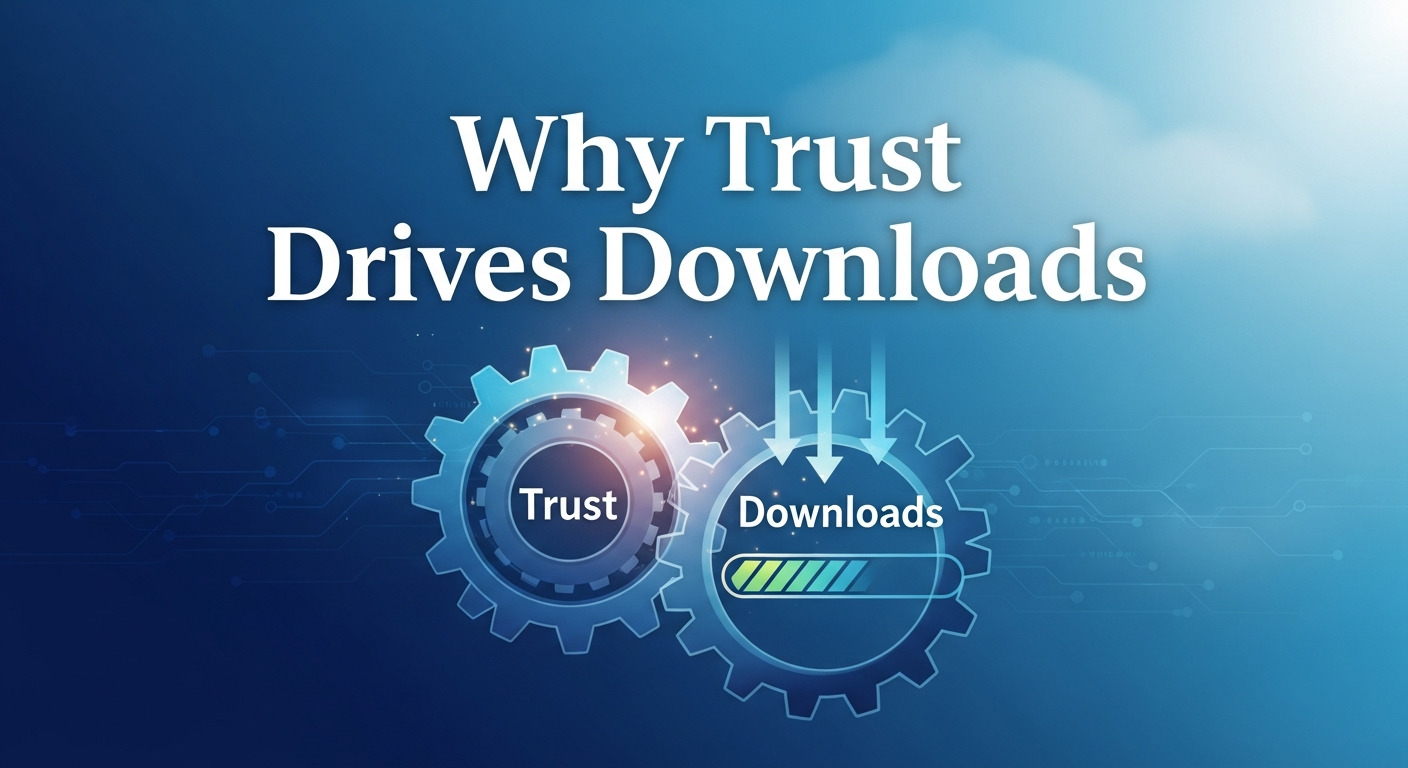
At the core of Influencer Marketing is trust. Users are more likely to download an app when it is recommended by someone they follow and admire. Influencers build relationships with audiences over time, which creates emotional credibility. When they demonstrate an app in real-life situations, followers perceive it as a solution rather than a sales pitch. This reduces skepticism and increases conversion. Trust-based marketing also shortens the decision-making process. Instead of researching extensively, users rely on influencer validation. For app marketers, this trust translates into lower CPI and higher user quality. Influencer Marketing succeeds because it humanizes brand messaging. People want recommendations, not advertisements. Apps promoted by trusted creators feel safer to try. Over time, repeated influencer exposure strengthens brand recognition and loyalty. In today’s digital environment, trust isn’t optional — it’s the primary driver behind app installs and sustained engagement.
Planning Your Influencer Marketing
1. Define Goals and KPIs: Are you seeking installs, in-app purchases, or brand awareness? Set measurable targets like Cost Per Install (CPI), click-through rate, or engagement rate.
2. Audience Research: Use analytics tools to understand where your potential users spend time—Instagram, TikTok, YouTube, or niche forums.
3. Budget Allocation: Allocate budgets to influencer fees, creative development, tracking tools, and ad amplification if needed.
4. Creative Brief: Provide influencers with key messaging, brand guidelines, and campaign hashtags, but allow creative freedom to maintain authenticity.
Platform Selection for App Promotion
Each platform plays a unique role in Influencer Marketing. TikTok excels for viral app demos and short-form engagement. Instagram Stories and Reels work well for lifestyle integration. YouTube is powerful for tutorials and deep product reviews. Twitter and niche communities help generate conversation. Selecting platforms based on user behavior is crucial for maximizing campaign impact. Influencer Marketing performs best when aligned with where your audience spends time. Mobile apps targeting younger users often succeed on TikTok, while productivity or finance apps gain traction on YouTube. Platform choice affects content style, engagement level, and conversion potential. A cross-platform strategy increases visibility and credibility. Apps that diversify channels reduce dependency and broaden reach. Matching influencers to the right platform ensures higher install quality and stronger brand recall.
Outreach and Negotiation Strategies
Start outreach by sending personalized messages that highlight mutual benefits. Follow these best practices:
- Be concise about your app, audience size, and campaign timeline.
- Offer value beyond payment, such as exclusive access or affiliate commissions.
- Negotiate deliverables: number of posts, content format (video, carousel, stories), and usage rights.
- Draft a simple contract covering timelines, approval processes, and FTC compliance for disclosures.
Clear communication prevents misunderstandings and builds long-term partnerships.
Measuring Success: Metrics and Analytics
Track performance using a combination of platform insights and mobile attribution tools. Key metrics include:
- Impressions and Reach: Understand potential audience size.
- Engagement Rate: Likes, comments, shares reflect content resonance.
- Click-Through Rate (CTR): Percentage clicking your app store link or landing page.
- Installs and Cost Per Install (CPI): Core user-acquisition measures.
- Retention and LTV: Track quality of users acquired through influencers.
Use UTM parameters, deep links, and mobile attribution SDKs (Adjust, AppsFlyer) to tie installs back to specific posts and influencers.
Measuring Influencer Marketing ROI
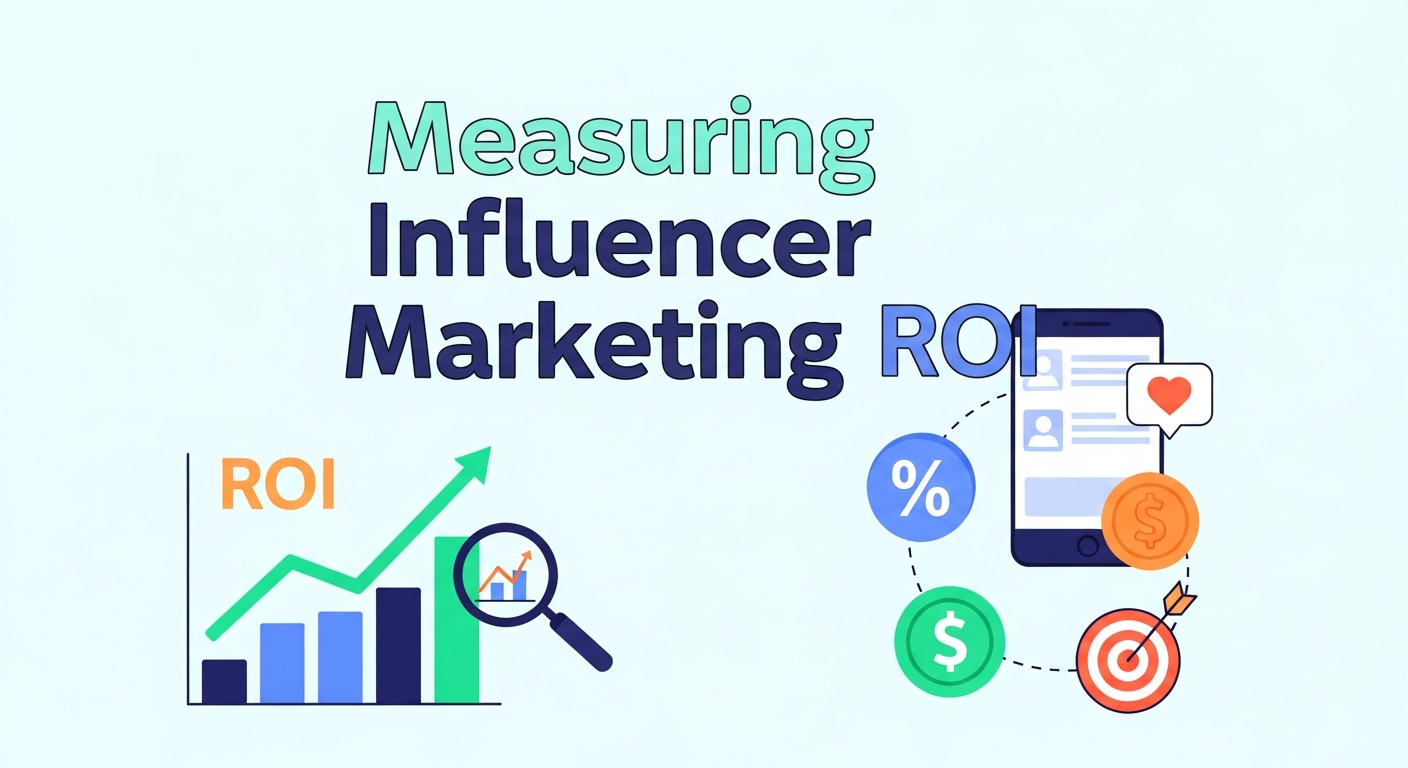
Tracking performance is essential in Influencer Marketing. Use attribution tools to connect installs to campaigns. Monitor impressions, CTR, CPI, and retention. Engagement metrics reveal audience interest. Conversion data shows campaign effectiveness. ROI measurement helps refine strategies. Influencer Marketing without tracking leads to wasted resources. Analytics ensure accountability and scalability. Apps that analyze performance continuously improve targeting and outcomes.
Compliance and Best Practices
Transparency is essential in Influencer Marketing to maintain credibility and protect your brand. Always ensure influencers clearly disclose sponsored partnerships in line with FTC guidelines by using tags such as #ad or #sponsored. Provide creators with approved brand assets and messaging points, but avoid overly rigid scripts so they can communicate naturally with their audience. Authentic content consistently outperforms forced promotions. Additionally, follow each platform’s rules regarding paid partnerships, giveaways, and promotional campaigns to prevent account penalties or legal risks.
Case Study: From Zero to 50K Installs in 30 Days
A fitness app partnered with ten micro-influencers in the health niche for a launch campaign. Each created a 60-second workout demo using the app, shared custom discount codes, and tagged the brand. The campaign ran for four weeks with a combined budget of $8,000. Results: 52,000 installs, $4.50 average CPI, 35% discount code redemption, and a 20% one-week retention rate. Key takeaway: Niche authenticity and exclusive offers drive high-quality installs.
Conclusion: Making Influencer Marketing Work for You
Influencer Marketing is one of the most powerful tools for accelerating mobile app growth. It combines trust, authenticity, and targeted reach to deliver measurable results beyond traditional advertising. By selecting the right influencers, creating structured campaigns, and tracking performance carefully, app marketers can maximize downloads while building loyal user communities. Consistent optimization and long-term partnerships will define success as influencer-driven app promotion continues to dominate digital marketing.