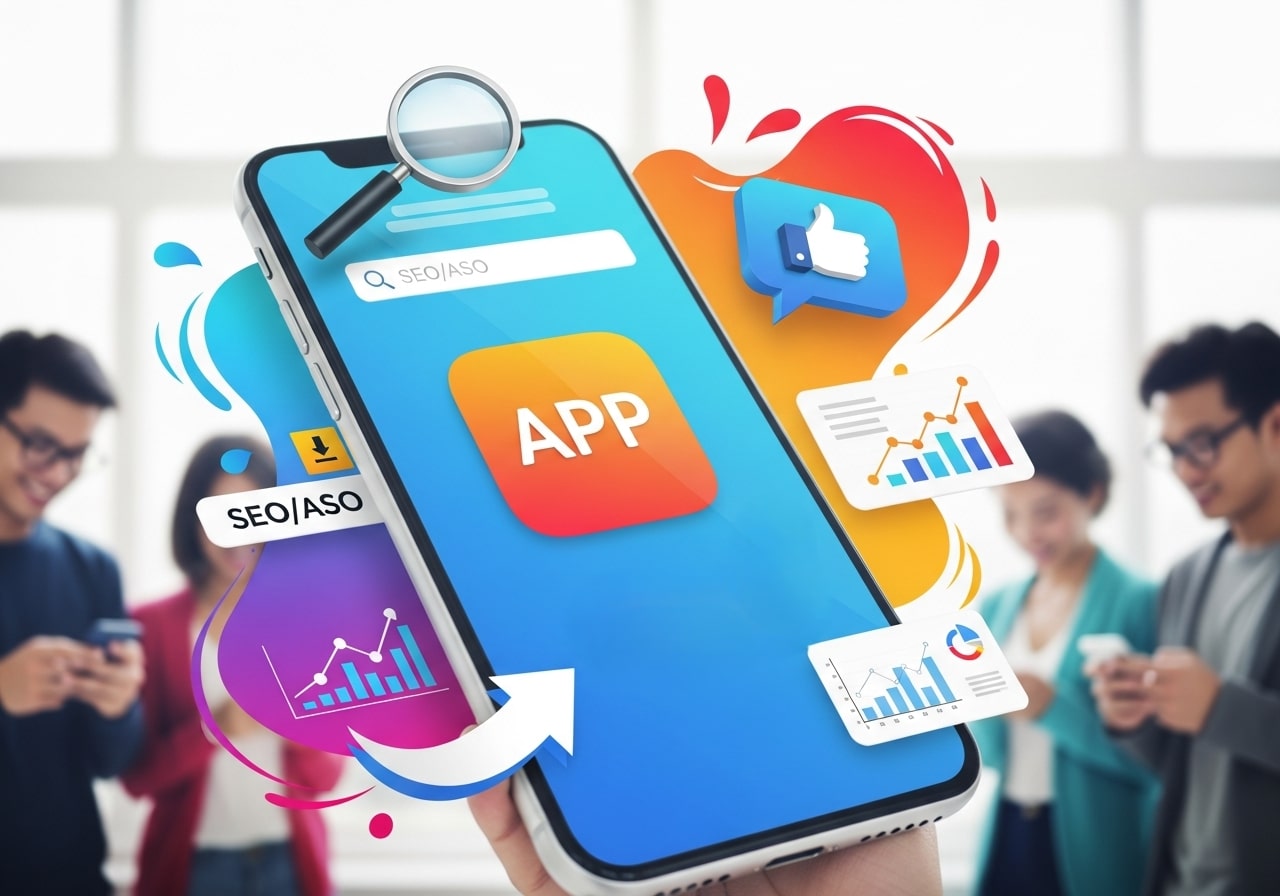
Mobile app marketing goes beyond development, focusing on discovery, engagement, and retention. Strategies include pre-launch research, app store optimization, paid and organic user acquisition, retention tactics, analytics, monetization, partnerships, and community building to drive downloads, loyalty, and long-term growth.
Building a mobile app is just the beginning. With over 2 million apps in the App Store and Google Play combined, getting users to discover, download, and stick with your app requires a strategic approach that goes far beyond great functionality.
Successful mobile app marketing isn’t about luck or viral moments—it’s about understanding your users, optimizing your presence, and building lasting relationships. Whether you’re preparing for launch or looking to re-energize an existing app, the strategies outlined here will help you attract the right users and keep them engaged long-term.
The mobile app landscape rewards those who think holistically about the user journey, from that first impression in the app store to the ongoing experience that turns casual users into loyal advocates.
Pre-Launch: Building Anticipation and Understanding Your Market
Know Your Competition
Before your app hits the market, spend time analyzing successful apps in your category. Look at their app store descriptions, screenshots, user reviews, and marketing messages. This research reveals what resonates with your target audience and helps identify gaps you can fill.
Pay particular attention to negative reviews of competitor apps. These complaints often highlight pain points your app can solve, giving you clear messaging opportunities and feature advantages to emphasize.
Create a Landing Page
A dedicated landing page serves as your app’s home base before launch. This page should clearly explain what your app does, showcase key features with compelling visuals, and include an email signup for launch notifications.
Use this pre-launch period to start building an email list of interested users. Offer early access, exclusive content, or beta testing opportunities in exchange for email addresses. This list becomes invaluable when you’re ready to launch and need those crucial first downloads.
Beta Testing Strategy
Beta testing provides two major benefits: feedback to improve your app and early advocates who can help spread the word. Choose beta testers who represent your target audience and actively use similar apps.
Encourage beta testers to leave feedback not just about bugs, but about the overall user experience. Their insights often reveal usability issues that might cause users to abandon your app after downloading.
App Store Optimization: Your Digital Storefront
Craft a Compelling App Title and Description
Your app title is prime real estate for mobile app marketing. Include your main keyword naturally while keeping the title memorable and descriptive. The subtitle or short description should immediately communicate your app’s core value proposition.
In your longer description, front-load the most important benefits. Many users only read the first few lines, so make those sentences count. Use bullet points to highlight key features and include social proof like user testimonials or awards when available.
Visual Assets That Convert
Screenshots are often the deciding factor in download decisions. Show your app in action rather than static screens. Include captions that explain key benefits and use the first screenshot to showcase your most compelling feature.
Your app icon needs to stand out in crowded search results and on home screens. Test different versions with your target audience and choose something that’s immediately recognizable and reflects your app’s personality.
Keyword Strategy
Research keywords your target audience actually uses when searching for apps like yours. Tools like App Annie or Sensor Tower can help identify high-volume, low-competition keywords relevant to your app category.
Include primary keywords in your app title and naturally throughout your description. However, avoid keyword stuffing, which can hurt your rankings and make your description less appealing to potential users.
Launch Phase: Making a Strong First Impression
Timing Your Launch
Choose your launch timing strategically. Avoid major holidays or events when your target audience might be distracted. Tuesday through Thursday typically see higher app store activity than weekends.
Consider soft-launching in smaller markets first. This approach lets you gather user feedback, refine your app store listing, and build momentum before launching in major markets like the US.
Press and Media Outreach
Identify journalists, bloggers, and influencers who cover apps in your category. Personalize your outreach with specific reasons why their audience would find your app valuable. Provide press kits with high-quality images, app descriptions, and founder information to make their job easier.
Don’t overlook local media, especially if your app has location-specific features or you’re based in a tech-friendly city. Local coverage can provide valuable backlinks and credibility.
Social Media Launch Strategy

Use social media to build excitement and drive downloads during launch week. Share behind-the-scenes content, user testimonials, and feature highlights across platforms where your target audience spends time.
Consider running targeted social media ads to app store visitors who viewed your app but didn’t download. These warm audiences often convert at higher rates than cold traffic.
User Acquisition: Scaling Your Growth
Paid Advertising Channels
Apple Search Ads and Google App Campaigns offer direct paths to users actively searching for apps like yours. Start with small budgets and focus on high-intent keywords that clearly match your app’s value proposition.
Social media advertising can be effective for apps with strong visual appeal or clear demographic targets. Facebook and Instagram ads work particularly well for lifestyle, gaming, and productivity apps.
Organic Growth Tactics
Referral programs turn satisfied users into acquisition channels. Offer meaningful rewards for both the referrer and new user—rewards that align with your app’s core value rather than generic discounts.
Content marketing helps establish authority in your app’s category while driving organic discovery. Create helpful blog posts, videos, or guides that solve problems your target audience faces, naturally mentioning your app as a solution.
Influencer Partnerships

Micro-influencers often provide better ROI than celebrities for mobile app marketing. Look for influencers whose audiences align with your target users and who regularly engage with their followers.
Provide influencers with clear guidelines about key messages while allowing creative freedom in how they present your app. Authentic recommendations perform better than scripted advertisements.
Retention and Engagement: Keeping Users Active
Onboarding That Sticks
Your onboarding process shapes users’ first impression and determines whether they’ll continue using your app. Focus on helping users achieve one meaningful outcome quickly rather than explaining every feature.
Use progressive disclosure to introduce advanced features after users are comfortable with the basics. Too much information upfront overwhelms new users and increases abandonment rates.
Push Notification Best Practices
Push notifications can drive engagement when used thoughtfully but become annoying when overused. Segment users based on behavior and preferences to send relevant, timely messages.
Focus on providing value rather than just driving opens. Share useful tips, personalized recommendations, or time-sensitive opportunities that genuinely benefit users.
In-App Engagement Features
Gamification elements like progress tracking, achievements, or challenges can increase long-term engagement when they align with your app’s core purpose. Avoid adding game elements just for the sake of it.
Personalization keeps users engaged by showing them content and features most relevant to their needs. Use behavioral data and user preferences to customize the experience.
Analytics and Data-Driven Optimization

Tracking and analyzing user behavior is critical for long-term success. Tools like Google Analytics for Firebase, Mixpanel, or Appsflyer allow you to monitor installs, in-app engagement, retention rates, and user flows. By understanding where users drop off or encounter friction, you can make informed decisions to refine your onboarding processes, messaging, and push notifications. A/B testing different approaches provides insights into what resonates best with your audience, helping you optimize both marketing campaigns and the in-app experience to maximize user retention and lifetime value.
Monetization Strategies
A mobile app marketing plan should align closely with your chosen revenue model. Whether you offer a freemium app with paid premium features, in-app purchases, subscription plans, or advertising, it is important that the strategy complements your app’s purpose and target audience. Marketing should clearly communicate the value of paid features or premium content to encourage users to convert. Thoughtful monetization ensures that your marketing efforts not only drive downloads but also create sustainable revenue streams over time.
Cross-Promotion and Partnerships
Leveraging partnerships can significantly increase your app’s visibility and attract new users. Collaborating with complementary apps or brands allows you to reach audiences that may not have discovered your app organically. Co-branded campaigns, referral incentives, or bundled promotions help expand your reach while reducing user acquisition costs. For businesses with multiple apps, cross-promoting within your own portfolio can introduce existing users to new offerings, driving engagement and growth across all platforms. Strategic partnerships amplify marketing efforts and create opportunities for long-term user acquisition.
Building Long-Term Loyalty
Community Building
Create spaces where your users can connect with each other and your brand. This might be a Facebook group, in-app community features, or regular virtual events related to your app’s purpose.
Respond promptly and helpfully to user feedback and support requests. Exceptional customer service turns frustrated users into loyal advocates who recommend your app to others.
Regular Updates and New Features
Keep your app fresh with regular updates that add value for existing users. Communicate updates clearly through release notes, in-app messages, and social media to ensure users notice improvements.
Listen to user feedback and feature requests when planning your development roadmap. Users who see their suggestions implemented feel more invested in your app’s success.
Measuring and Optimizing
Track metrics that matter for long-term success: retention rates, lifetime value, and user satisfaction scores alongside download numbers. These metrics reveal whether your mobile app marketing efforts are attracting the right users.
Regularly analyze user behavior to identify friction points in your app experience. Small improvements to key user flows often have significant impacts on retention and engagement.
Turning Users Into Brand Ambassadors
The most effective mobile app marketing often comes from satisfied users who recommend your app to friends and colleagues. Focus on creating experiences that naturally encourage sharing and word-of-mouth recommendations.
Success in mobile app marketing requires patience, consistent effort, and a willingness to adapt based on user feedback and market changes. Start with solid fundamentals—clear value proposition, optimized app store presence, and smooth user experience—then gradually expand your marketing efforts as you learn what works best for your specific audience.
Remember that the goal isn’t just downloads—it’s building a sustainable user base that finds genuine value in your app and chooses to engage with it regularly. When you achieve that, marketing becomes much easier as your users help drive growth through their enthusiasm and recommendations.
FAQ: Mobile App Marketing
1. What is mobile app marketing?
Mobile app marketing involves strategies to attract, engage, and retain users for your app. It includes app store optimization, advertising, social media, influencer partnerships, and retention tactics to build a loyal user base.
2. Why is mobile app marketing important?
With millions of apps available, marketing ensures your app gets discovered, downloaded, and actively used. Effective marketing drives engagement, increases conversions, reduces churn, and encourages long-term loyalty.
3. What are pre-launch strategies for apps?
Pre-launch tactics include analyzing competitors, creating a landing page, building an email list, and conducting beta testing. These steps generate early interest, gather feedback, and help refine the app before its official launch.
4. How can I optimize my app store listing?
Use a compelling app title, clear description, engaging screenshots, and a recognizable icon. Include relevant keywords naturally and highlight your app’s benefits and social proof to improve discoverability and conversions.
5. What are effective user acquisition methods?
Combine paid ads (Apple Search Ads, Google App Campaigns, social media ads) with organic growth strategies like referral programs, content marketing, and influencer partnerships to attract targeted users efficiently.
6. How can I improve user retention?
Focus on smooth onboarding, personalized content, push notifications, gamification, and in-app engagement features. Keeping users active requires offering meaningful value and a seamless experience.
7. How do I build long-term user loyalty?
Engage users through communities, prompt support, regular updates, and implementing user feedback. Encouraging interaction, trust, and consistent value transforms users into advocates for your app.
8. What metrics should I track for success?
Monitor downloads, retention rates, lifetime value, user satisfaction, engagement, and referral activity. These metrics help optimize marketing strategies and improve the overall user experience.
9. How do I turn users into brand ambassadors?
Deliver exceptional experiences, encourage sharing, and reward referrals. Happy users naturally promote your app through word-of-mouth and social proof, amplifying your marketing efforts.
10. When should I start mobile app marketing?
Marketing should begin before launch with research, landing pages, and beta testing, then continue post-launch with acquisition, retention, and loyalty strategies to ensure sustainable growth.