
Few people enjoy managing money, but once feared tasks such as creating a budget, tracking spending and saving money have never been easier to accomplish thanks to the explosion of personal finance mobile apps. Whether you’re using them to help track your budget, set savings goals or plan for the future, these tools have changed how people think about, and interact with, their finances. But what is fueling the rapid growth of this market, and where is it heading?
Why Personal-Finance Apps Are Winning
The personal finance apps market is booming, and for good reason. Here are some of the major factors contributing to its growth.
Greater Financial Education Required
A whopping 64% of Americans are living from one paycheck to the next, according to a study by Lending Club. People are looking for ways to better handle their money amid economic uncertainty and increasing inflation. Personal finance apps provide users with a simple, easy-to-use tool for taking control of their bank accounts, credit cards, and other financial assets, from budgeting to loan repayment.
Digitization of Banking
Rapid growth in online banking has helped make finance apps mainstream. These apps automatically talk to digital bank accounts and enable users to tie together bank accounts, credit cards, and investments into a single, clean interface. Convenience is king, and people today expect to be able to access their financial data 24/7.
The Millennials and Gen Z Are Leading the Way
It is millennials and Gen Z that are doing the most using finance apps. They came of age in a world that was saturated with smartphones, and have little patience with non-mobile-first solutions to problems in any sphere of life. For them, to use an app to split a bill, set a financial goal or invest in the stock market is nothing short of breathing.
Integration of AI and Customization
Artificial intelligence (AI) is also a significant catalyst for growth. Current finance apps deploy advanced algorithms to analyze spending habits, send bill reminders, and even offer financial advice on a tailored basis. And AI-enabled budgeting tools, including You Need a Budget (YNAB) and Pocket Guard, provide a tailored fit that hits home with those looking to spend money better.
Common Features in Personal Finance Apps
Various apps serve specific areas of personal finance, but the most popular ones have several strong characteristics in common.
Budget Tracking
Budgeting is the bread and butter of finance applications. Apps like Mint or Every Dollar categorize users’ expenses for them and even provide suggestions on where they’re spending too much money. These apps remove the guesswork from budgeting, making it simple and accessible for all.
Savings Goals
If you’re saving for a home or vacation or just trying to stash away cash for a rainy day, personal finance apps like Capital can help make it easier by automating the saving process. Many apps round up purchases to the nearest dollar, then transfer the difference into a savings account, so you’re saving almost without realizing it.
Investment Management
Apps such as Acorns, Robinhood and Stash have democratized investing. They demystify complex topics like ETFs, stocks and bonds, and they lower the barriers to entry with fractional shares and micro-investing.
Debt Payoff Tools
Keeping up with your debt can be an overwhelming task, but apps like Tally and Debt Manager are trying to make it as easy as possible. They crunch repayment plans for users, in some cases prompting them to go after high-interest debts first in order to save in the long run.
Security and Integration
Top apps prioritize security, given the sensitive financial information at stake. Two-factor authentication, biometric logins, and encryption are must-have items. Users also benefit from seamless integration with the most significant banks and fintechs.
Barriers to Entry in the Personal Finance App Market
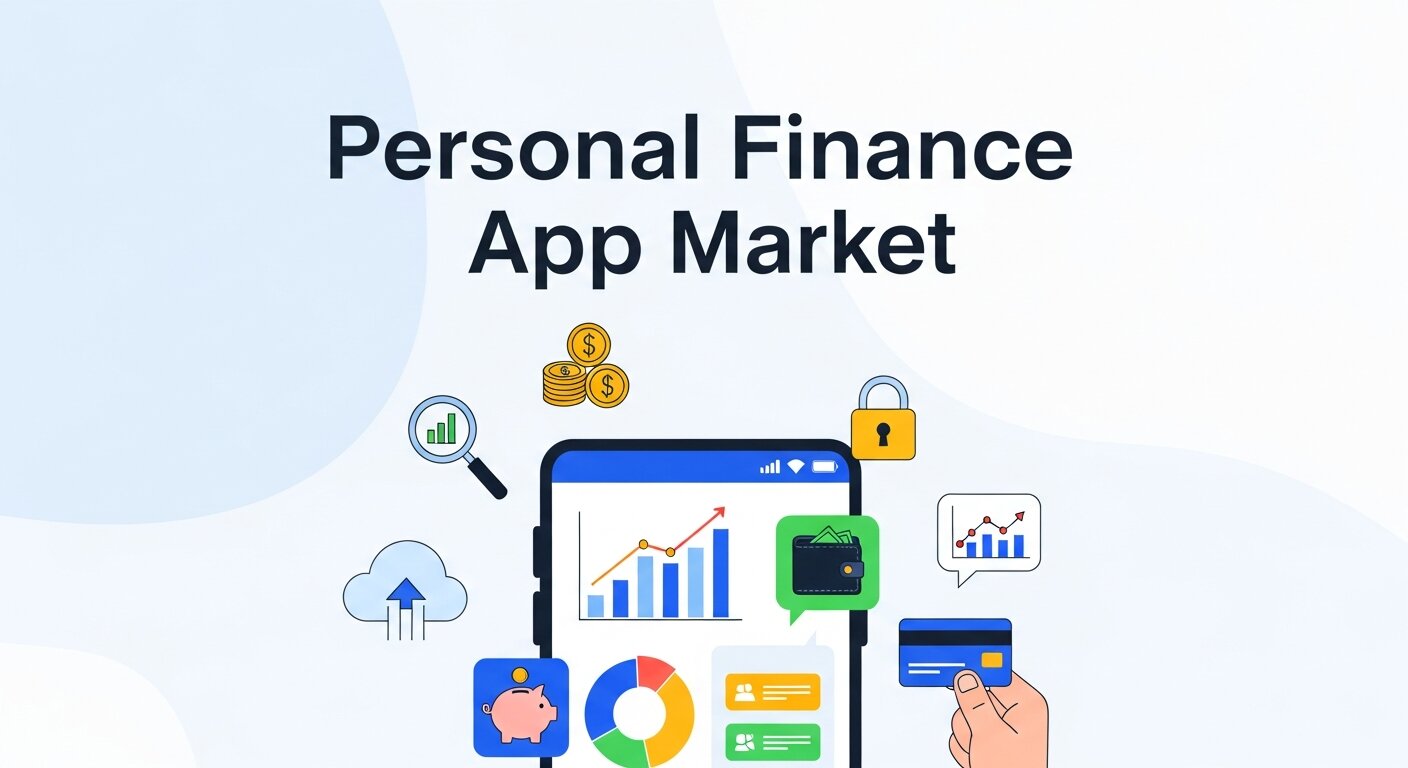
But as the market flourishes, developers and companies are running into a few headwinds.
Privacy & Data Security Issues
Doing anything with sensitive consumer data is a big responsibility. That means companies need to adhere to a patchwork of strict rules, such as GDPR, or else win the trust of users. Some data breaches could be catastrophic for the brand and reputation.
Overcrowded Market
Personal finance apps are a crowded place. With so many apps competing for downloads, differentiation is going to be determined by unusual features, excellent user experience, or deep functionality.
Financial Accessibility
Although these apps are designed to democratize personal finance, that does not mean that everyone can fully benefit. Those with no steady smartphone access, bank account or financial literacy could be sidelined. It is a challenge to reduce this digital divide.
User Retention
A lot of people download finance apps with noble intentions, only to not follow through with them. This is the reason why churn rates in this space are high; it’s imperative that developers focus on usability, engagement, and long-term value.
The Best Personal Finance Mobile Apps of the Future
What is next for this rapidly growing industry? Here are a few prognostications about the future of personal finance apps.
Hyper-Personalization
Never mind one-size-fits-all fixes. The future personal finance apps will apply sophisticated AI and machine learning to provide very personalized experiences. Budgeting tips, investment suggestions — you name it, these apps will customize the advice to users’ individual financial situations in real time.
Collaborative Platforms
Instead of standalone tools, these future apps will be platforms that connect to other fintech services like robo-advisors, payment systems, and even cryptocurrency wallets. This partnership shall make financial management easier for users.
Gamification
We expect to see an increase in popularity of gamification components rewards, badges, streaks. Making money-management more fun and interactive encourages users to remain dedicated to their financial objectives.
Sustainability Features
As consumers increasingly prioritize sustainability, apps may begin rating purchases according to their environmental impact, so users can align their spending habits with their values.
Voice and Chat Interfaces
AI in voice assistants and chatbots will improve the experience of end-users. Imagine asking your finance app, “How much money can I spend on eating out this weekend?” and receiving an on-the-spot response according to your budget.
User Experience as a Growth Driver
A seamless and intuitive user experience plays a major role in the success of personal finance mobile apps. Users expect fast loading times, clean dashboards, and easy navigation when dealing with sensitive financial data. Apps that simplify complex financial information into clear visuals and actionable insights tend to perform better in competitive marketplaces. Strong onboarding flows, helpful tooltips, and consistent design language reduce user friction and increase engagement. From a discoverability standpoint, better usability also supports App Store Optimization by improving ratings, reviews, and retention metrics. When users feel confident and comfortable using an app, they are more likely to recommend it, creating organic growth and long-term loyalty.
Re-Engaging Inactive Users

User drop-off is a common challenge in the personal finance app ecosystem. Many users install an app with good intentions, but gradually stop using it. Re-engagement tactics are essential to bring these users back into the ecosystem. Smart remarketing campaigns can remind users of unfinished goals, unused features, or upcoming financial deadlines. Effective Mobile App Retargeting Strategies focus on timing, relevance, and value-driven messaging rather than aggressive promotion. When users are reminded how an app can simplify their financial life, they are more likely to return. Successful re-engagement not only improves retention but also increases lifetime value without the high cost of acquiring new users.
Real-Time Communication with Users
Timely communication is critical in helping users stay on track with their finances. Notifications that alert users about bill due dates, spending limits, or savings milestones can significantly improve engagement. Personalized Push Notifications allow apps to deliver relevant messages based on user behavior, preferences, and financial goals. Instead of generic alerts, customized reminders feel helpful rather than intrusive. When done correctly, these notifications encourage positive financial habits and keep users actively involved. Overuse, however, can lead to notification fatigue, so balance is essential. Thoughtful, data-driven communication strengthens trust, enhances user experience, and reinforces the app’s value in day-to-day money management.
Building Trust Through Transparency
Trust is a cornerstone of any personal finance application. Users are more likely to engage with apps that clearly communicate how their data is collected, stored, and used. Transparent policies, clear consent options, and easy-to-understand privacy explanations help build credibility. Regular updates, visible security measures, and proactive communication during system changes also reinforce confidence. When users trust a platform, they are more comfortable linking bank accounts and using advanced features. This trust directly impacts retention, engagement, and word-of-mouth growth. In a crowded market, transparency is not just a compliance requirement—it is a competitive advantage that strengthens long-term user relationships.
Educating Users Through In-App Content
Financial literacy remains a major barrier for many users. Personal finance apps that integrate educational content can significantly improve user outcomes. Short tutorials, interactive tips, and contextual explanations help users understand budgeting, saving, and investing concepts without feeling overwhelmed. In-app education empowers users to make better decisions while increasing feature adoption. When users learn and grow alongside the app, they are more likely to remain loyal. Educational content also positions the app as a trusted financial companion rather than just a tool. Over time, this approach builds confidence, improves engagement, and helps users achieve sustainable financial habits.
Monetization Without Hurting Experience
Balancing revenue generation with user satisfaction is a delicate task for personal finance apps. Subscription models, freemium features, and premium tools must provide clear value to justify their cost. Users are more willing to pay when advanced features genuinely improve their financial outcomes. Transparent pricing, flexible plans, and trial periods reduce friction and build trust. Poorly implemented monetization, on the other hand, can drive users away. Successful apps align monetization with user success, ensuring that paid features feel like enhancements rather than restrictions. This approach supports sustainable growth while maintaining a positive user experience.
Scaling for Long-Term Growth
As personal finance apps grow, scalability becomes a key consideration. Supporting a larger user base requires reliable infrastructure, consistent performance, and ongoing feature improvements. Scalable apps are designed to handle increased data volume, user activity, and integrations without compromising speed or security. Continuous testing, performance monitoring, and user feedback loops help guide development priorities. Growth also depends on adapting to changing user needs and market trends. Apps that invest in scalable architecture and long-term planning are better positioned to evolve with their users, maintain stability, and remain competitive in a fast-changing fintech landscape.
Take Charge of Your Finances
The personal finance apps mobile ecosystem is a huge move forward in the freedom for people to manage their money. These apps, from intuitive budgeting tools to frictionless investment platforms, are transforming financial literacy and encouraging people to become smarter with their money.
If you haven’t already, this is a great time to browse through these tools and see which app best meets your financial goals. Curious to learn more? Keep a close eye out on the trends we’ve described today and be sure to download a personal finance app to discover what a difference it can make in your financial life.
FAQ: Personal Finance Mobile Apps
1. What are personal finance mobile apps?
Personal finance mobile apps are digital tools designed to help individuals manage their money more effectively. They assist with budgeting, expense tracking, saving, investing, debt repayment, and overall financial planning by consolidating financial data into one easy-to-use platform.
2. Are personal finance apps safe to use?
Most reputable personal finance apps prioritize security by using encryption, biometric logins, and two-factor authentication. However, users should always choose trusted apps, review privacy policies, and follow best practices such as using strong passwords to protect sensitive financial information.
3. Can personal finance apps really help save money?
Yes, personal finance apps can significantly help users save money by tracking spending habits, identifying unnecessary expenses, automating savings, and setting realistic financial goals. Many users find they save more simply by becoming aware of where their money goes.
4. Do I need financial knowledge to use these apps?
No advanced financial knowledge is required. Most personal finance apps are designed for beginners and use simple dashboards, visual charts, and step-by-step guidance to make money management accessible to everyone.
5. Are personal finance apps free?
Many apps offer free versions with basic features such as budgeting and expense tracking. Premium plans are often available for advanced tools like investment insights, credit monitoring, or personalized financial advice.
6. Which personal finance app is best for beginners?
Apps like Mint, EveryDollar, and PocketGuard are popular choices for beginners due to their user-friendly interfaces and straightforward budgeting features. The best app ultimately depends on individual financial goals and preferences.
7. Can these apps help with long-term financial planning?
Yes, many personal finance apps support long-term planning by tracking savings goals, investments, retirement funds, and debt repayment strategies. Over time, they help users build healthier financial habits and achieve greater financial stability.