
Personalized Push Notifications: AI-Driven Strategies to Boost App Engagement and Retention
 11 min read
AI-powered personalized push notifications help mobile apps deliver timely, relevant messages that boost engagement, retention, and conversions. By leveraging machine learning, behavioral data, and predictive timing, brands can reduce churn, enhance user experience, and achieve sustainable app growth.
In today’s competitive mobile landscape, push notifications have emerged as one of the most powerful channels to engage, retain, and re-engage app users. However, generic or poorly timed messages can do more harm than good: they risk being ignored, dismissed, or even triggering uninstalls. Personalized push notifications, powered by AI and machine learning, deliver the right message to the right user at the right time. In this comprehensive guide, we’ll explore how to leverage AI-driven personalization for push notifications, improve app engagement metrics, and boost long-term retention rates.
Why Push Notifications Matter for Mobile Apps
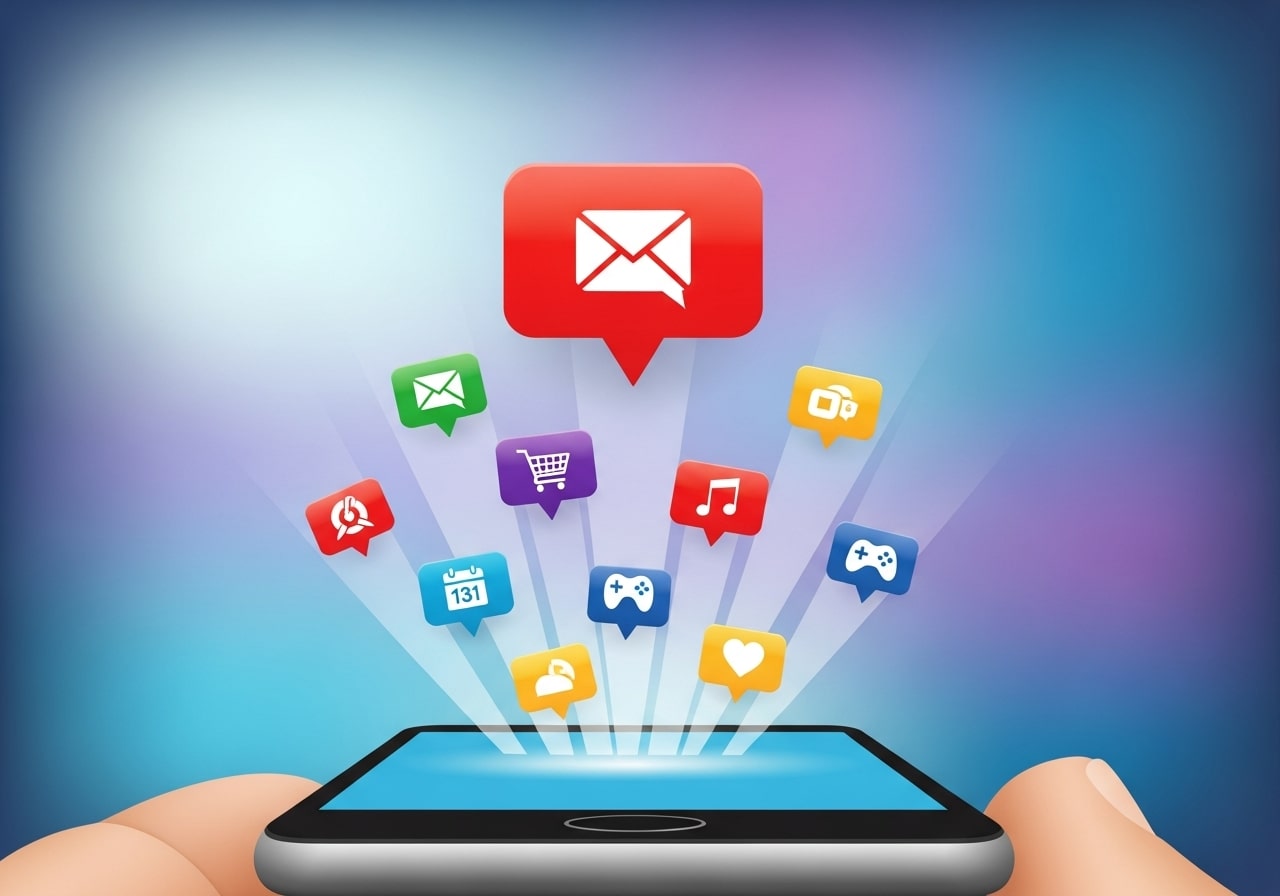
With average smartphone users receiving over 60 to 90 notifications per day, standing out is a challenge. Yet push notifications consistently yield some of the highest engagement rates compared to email or in-app messages. According to industry benchmarks, personalized push notifications can increase open rates by up to 30% and retention by 20% within the first 90 days. When executed correctly, notifications drive users back into the app, prompt feature discovery, and encourage repeat purchases or interactions.
Moreover, push notifications help maintain an ongoing dialogue with your audience. They support a range of use cases—from transactional updates and reminders to promotional offers and personalized recommendations. By using contextually relevant triggers such as user behavior, location, and preferences, marketers can reinforce brand loyalty and reduce churn effectively.
The Power of Personalization
Personalization elevates push notifications from interruptions to meaningful interactions. Instead of blasting the same message to your entire user base, personalized notifications adapt to individual user profiles based on demographics, past behaviors, and predictive insights. This approach not only boosts open rates but also fosters a sense of connection and relevance with each recipient.
Studies show that 80% of consumers are more likely to engage with a brand when its communications are tailored to their interests. For mobile apps, that means crafting notifications that align with usage patterns—such as reminding a fitness app user about a scheduled workout or alerting a shopping app user about a restocked item they viewed previously. Personalization drives higher value and reinforces the app’s utility in the user’s daily life.
AI-Driven Personalization Strategies

Machine Learning-Based Segmentation
Machine learning algorithms can analyze vast data sets—such as user behavior, session lengths, in-app purchases, and engagement history—to automatically segment your audience into meaningful cohorts. Instead of manually defining segments, AI dynamically adjusts grouping criteria to ensure each user receives the most relevant content. For example, a news app can segment users by reading preferences, frequency, and time of day when they are most active.
Predictive Send Time Optimization
AI can predict the optimal send time for each user by identifying patterns in their historical interaction with push notifications and app sessions. Predictive send time optimization ensures that messages arrive when users are most likely to be receptive—whether during their morning commute, lunch break, or evening relaxation window. This strategy increases the likelihood of real-time engagement without contributing to notification fatigue.
Dynamic Content Generation

Leveraging natural language processing (NLP) and dynamic templates, AI can generate personalized notification copy that resonates with individual users. From tailored greetings to contextual recommendations—such as product suggestions based on past purchases—dynamic content helps each notification feel hand-crafted. By combining user-specific data points with branded messaging templates, marketers can maintain consistency while delivering high relevance.
Behavioral Triggers for Push Notifications
Behavioral triggers are actions users take inside or outside the app that automatically initiate push notifications. These triggers may include app installs, abandoned carts, feature usage, inactivity periods, or completed purchases. By reacting to real-time behavior, push notifications become highly contextual and timely. For example, sending a reminder after a user abandons a checkout or encouraging re-engagement after inactivity feels helpful rather than intrusive. AI enhances behavioral triggers by identifying patterns and predicting the most effective moment to intervene. This approach improves relevance, boosts engagement, and significantly increases conversion rates while minimizing unnecessary notifications.
Lifecycle-Based Push Notification Strategies
Lifecycle-based push notifications align messaging with where users are in their app journey—onboarding, activation, engagement, retention, or reactivation. New users may receive educational tips, while active users receive feature updates or personalized recommendations. Dormant users can be reactivated through incentives or reminders. AI helps dynamically adjust lifecycle stages based on real behavior instead of static rules. This ensures users receive messages that match their current needs. Lifecycle-driven strategies increase retention by delivering the right value at the right time, strengthening long-term relationships and maximizing customer lifetime value.
Context-Aware Push Notifications
Context-aware push notifications leverage real-world signals such as location, device type, weather, time zone, and even motion data. These contextual insights allow apps to send hyper-relevant messages—like location-based offers, travel alerts, or time-sensitive reminders. AI processes these data points to determine when context truly adds value instead of noise. For example, a food delivery app might suggest lunch deals around noon, while a fitness app sends reminders based on local weather. Context-aware notifications feel intuitive, increasing user satisfaction and reducing opt-outs.
Frequency Capping and Notification Fatigue Control
Notification fatigue occurs when users receive too many messages, causing disengagement or app uninstalls. Frequency capping limits how often notifications are sent to each user within a specific time frame. AI-driven frequency control adapts limits based on user tolerance, engagement history, and responsiveness. Highly engaged users may receive more messages, while less active users receive fewer but more meaningful notifications. This personalized balance prevents overload while preserving engagement. Effective frequency management improves long-term retention, protects brand trust, and ensures notifications remain valuable instead of disruptive.
A/B Testing and Experimentation Frameworks
A/B testing is essential for optimizing push notification performance. Marketers can test variations in copy, emojis, CTAs, send times, personalization depth, and segmentation logic. AI accelerates experimentation by automatically identifying winning variants and reallocating traffic in real time. Instead of relying on intuition, data-driven experimentation reveals what truly resonates with users. Continuous testing allows incremental improvements without major risks. Over time, these small optimizations compound into significant gains in open rates, conversions, and retention, making experimentation a core pillar of successful push strategies.
Cross-Channel Coordination with Push Notifications
Push notifications are most effective when integrated with other channels such as email, SMS, in-app messages, and ads. Cross-channel coordination ensures users receive consistent messaging without redundancy. For instance, if a user opens an email offer, the system can suppress related push notifications. AI-powered orchestration platforms manage these interactions intelligently, choosing the best channel for each message. This unified approach improves user experience, reduces fatigue, and increases overall campaign effectiveness. Push notifications become part of a cohesive engagement ecosystem rather than isolated touchpoints.
Personalization at Scale Using AI Models

Scaling personalization manually is nearly impossible as user bases grow. AI models enable personalization at scale by automatically analyzing millions of data points in real time. These models personalize content, timing, frequency, and delivery channel for each user without human intervention. From individualized recommendations to adaptive messaging tone, AI ensures relevance across large audiences. This scalability allows even high-growth apps to maintain one-to-one communication quality. Personalized experiences at scale drive higher engagement, stronger loyalty, and sustainable long-term growth.
Long-Term Impact of Personalized Push on App Growth
Personalized push notifications don’t just drive short-term engagement—they contribute directly to long-term app growth. By improving retention, increasing repeat usage, and encouraging conversions, push notifications positively impact lifetime value (LTV). AI-powered personalization continuously evolves with user behavior, keeping messaging relevant as preferences change. Over time, this builds habit formation and brand trust. Apps that invest in intelligent push strategies gain a competitive advantage by maintaining active user bases, reducing churn, and achieving more predictable revenue growth in an increasingly crowded app ecosystem.
Best Practices for Effective Push Notifications
- Be Clear and Concise: Keep messages short, actionable, and focused on a single call to action.
- Respect User Preferences: Provide easy opt-in and opt-out options, and honor do-not-disturb windows.
- Use Rich Media & Emojis Wisely: Images, sounds, or emojis can improve engagement but should align with your brand voice.
- Time Frequency Carefully: Avoid sending notifications too frequently, which can lead to fatigue and uninstalls.
- Test and Iterate: Run A/B tests on copy, imagery, send times, and segment definitions to continuously optimize results.
Tools and Platforms to Implement Personalized Push
A variety of platforms offer AI-powered push notification capabilities, ranging from turnkey solutions to fully customizable SDKs. Here are a few popular options:
- Firebase Cloud Messaging (FCM): Google’s free cross-platform messaging solution, ideal for basic segmentation and send time rules.
- OneSignal: Offers advanced segmentation, A/B testing, and personalization features with a generous free tier.
- Braze: Enterprise-grade customer engagement platform with deep analytics, AI-powered recommendations, and journey orchestration.
- Airship: Known for robust mobile engagement tools, real-time data pipelines, and predictive analytics modules.
Measuring Success & Key Metrics
To evaluate the impact of personalized push notifications, focus on these core metrics:
- Open Rate: The percentage of notifications that users open—a direct indicator of relevance and timing accuracy.
- Click-Through Rate (CTR): Measures how many users click on the notification and engage with the app content.
- Retention Rate: Tracks the percentage of users who continue using the app after receiving personalized notifications.
- Conversion Rate: Evaluates the proportion of notification recipients who complete desired actions, such as purchases or sign-ups.
- Unsubscribe / Opt-Out Rate: Monitors how many users disable push notifications, signaling potential issues with relevance or frequency.
Common Pitfalls & How to Avoid Them
- Over-Segmentation: Creating too many small segments can complicate message management and dilute return on investment.
- Ignoring Data Privacy: Failing to comply with GDPR or CCPA when handling user data can lead to legal penalties and reputational damage.
- Spamming Users: Excessive or irrelevant notifications drive down engagement and increase uninstall rates.
- Neglecting Localization: Not adapting language, imagery, or timing to regional preferences can reduce message resonance.
Conclusion & Next Steps
Personalized push notifications powered by AI offer a high-impact way to improve your mobile app’s engagement and retention metrics. By leveraging machine learning for segmentation, predictive timing, and dynamic content generation, you can deliver contextually relevant messages that foster user loyalty and drive business growth. Start by selecting the right platform, defining clear success metrics, and running incremental tests to refine your approach. With a data-driven strategy in place, your app can stand out in a crowded market and build lasting user relationships.
Read more about this topic: Mastering Push Notifications: Best Practices to Skyrocket Mobile App Engagement
Frequently Asked Questions (FAQ)
1. What are personalized push notifications?
Personalized push notifications are messages tailored to individual users based on their behavior, preferences, location, demographics, and engagement history, rather than sending the same message to all users.
2. How does AI improve push notification personalization?
AI uses machine learning and predictive analytics to segment users dynamically, optimize send times, generate relevant content, and continuously learn from user interactions to improve engagement.
3. Why are personalized push notifications more effective than generic ones?
Personalized notifications feel relevant and timely, which increases open rates, click-through rates, and retention while reducing opt-outs and app uninstalls.
4. What data is used to personalize push notifications?
Common data points include app usage behavior, purchase history, session frequency, location, device type, past notification interactions, and stated user preferences.
5. How often should push notifications be sent?
Frequency depends on your app type and user behavior, but it’s best to prioritize quality over quantity. AI-driven frequency capping and user-level optimization help avoid notification fatigue.
6. What are the key metrics to track for push notification success?
Important metrics include open rate, click-through rate (CTR), conversion rate, retention rate, and opt-out or unsubscribe rate.
7. Which tools support AI-powered push notifications?
Popular platforms include Firebase Cloud Messaging (FCM), OneSignal, Braze, and Airship, each offering varying levels of AI-driven personalization and analytics.
8. Can personalized push notifications increase app retention?
Yes. By delivering relevant and timely messages, personalized push notifications encourage repeat app usage and can significantly improve short-term and long-term retention.
9. How can I avoid users disabling push notifications?
Respect user preferences, limit frequency, provide value-driven content, personalize messages, and allow users to control notification types and timing.
10. Are personalized push notifications compliant with privacy regulations?
They can be, as long as you follow data privacy laws like GDPR and CCPA by obtaining consent, minimizing data usage, securing user data, and being transparent about how data is used.

App Store Optimization Tips for Improving App Visibility and Downloads

AI-Powered App Marketing: Boost Acquisition & Retention
Supercharge App Growth with AI-Powered Chatbots