Advanced Push Notification Strategies to Skyrocket Mobile App Conversions
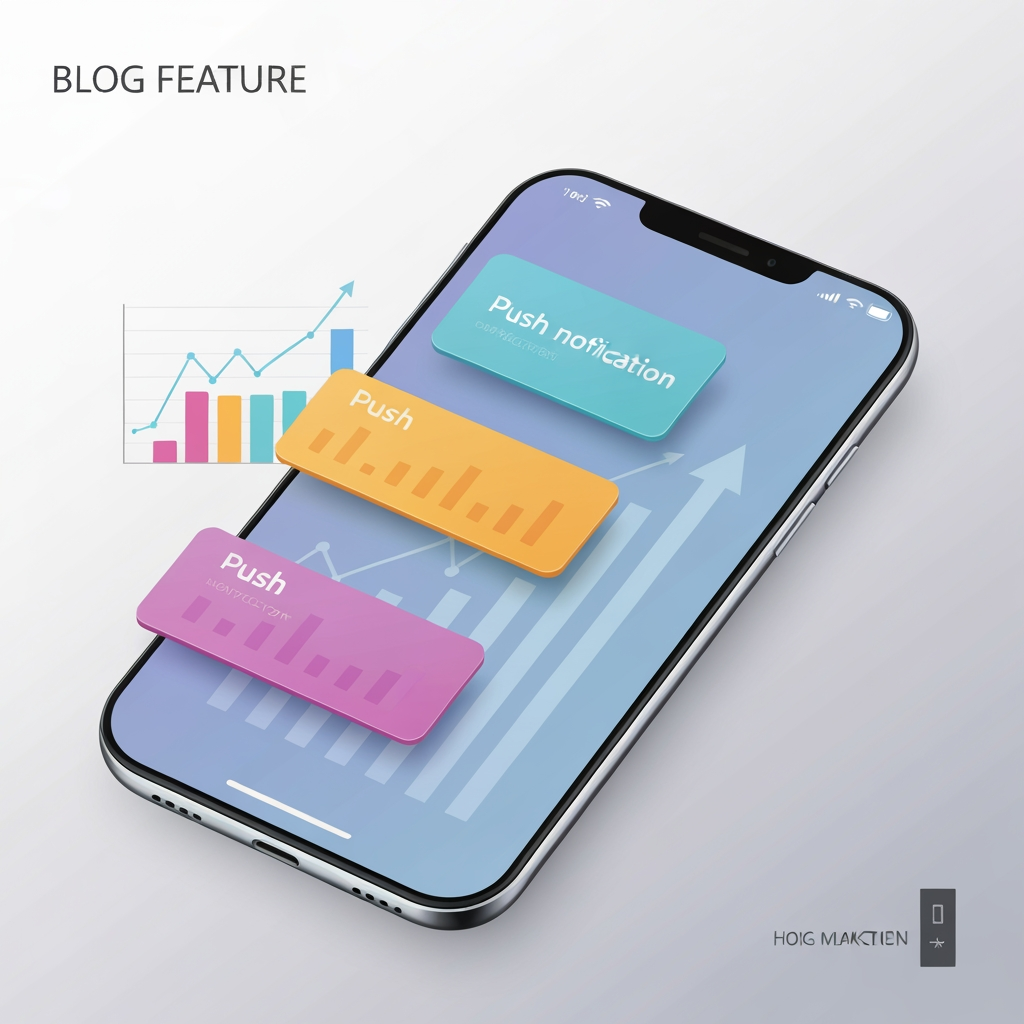
In a fiercely competitive mobile app ecosystem, push notifications remain one of the highest-impact tools for driving user engagement and conversions. But generic blast-and-hope messaging no longer cuts it. Today’s top apps leverage sophisticated segmentation, hyper-personalization, precise timing, rich media creatives, and continual optimization to turn notifications into a revenue engine. In this comprehensive guide, we’ll explore each advanced strategy in depth, show you how to implement it step by step, and share real-world examples that illustrate the power of targeted notifications to boost retention, in-app purchases, and lifetime value (LTV).
1. Understanding the Power of Push Notifications
Push notifications are direct, instantaneous messages delivered straight to a user’s lock screen or notification center. When executed correctly, they can:
- Re-engage dormant users with personalized incentives
- Announce new features, content, or app updates
- Nudge users through the conversion funnel at key moments
- Drive time-sensitive actions (flash sales, limited-time events)
However, poorly timed or irrelevant notifications risk desensitizing users and increasing churn. The secret lies in combining data-driven segmentation with compelling creative and ongoing testing.
2. Segmentation and Targeting for Laser-Focused Campaigns
Not all users are alike—and neither should your notifications. Segment based on behaviors such as:
- In-app activity (e.g., browse history, feature usage)
- Purchase history or subscription status
- Geolocation and time zone
- App lifecycle stage (new, active, dormant)
For example, target dormant users with a “We miss you” coupon, while nudging power users with exclusive VIP perks. Proper segmentation increases relevance, open rates, and ultimately conversions.
3. Hyper-Personalization: Beyond First Names
Personalization today goes far beyond inserting a user’s first name. Advanced apps leverage dynamic content and real-time data to craft messages tailored to each individual. Consider:
- Contextual triggers (cart abandonment, incomplete onboarding)
- Behavior-based recommendations (e.g., “You might like…”)
- Seasonal or location-based offers (local events, holidays)
- Push notifications triggered by external data sources (weather, stock prices)
By surfacing content and offers that resonate with each user’s unique interests and behavior, you can drive click-through rates well above industry averages.
4. Timing & Frequency Optimization
Even the most engaging message falls flat if delivered at the wrong time. Use these best practices to optimize send windows and cadence:
- Time zone scheduling: Respect local wake/sleep hours
- Behavioral timing: Trigger when users are most active
- Frequency caps: Prevent notification fatigue
- Optimal send times: Leverage A/B tests to find peak engagement windows
Balancing urgency with user comfort is critical. Over-messaging drives opt-outs, while under-messaging risks missed opportunities.
5. Engaging Users with Rich Media & Interactive Elements
Stand out in a crowded notification tray by incorporating rich media:
- Images or GIFs that illustrate the offer
- Action buttons for one-tap responses
- Carousels and video snippets
Interactive notifications—like quick polls or inline feedback—invite engagement without forcing users back into the app. This can significantly boost click-through rates and session starts.
6. A/B Testing & Analytics for Continual Improvement
Effective push campaigns are never “set and forget.” Continuously test and measure:
- Subject lines and preview text variations
- Send times and frequency levels
- Creative formats (text-only vs. rich media)
- Segment-specific messaging strategies
Focus on key metrics like open rate, click-through rate, in-app conversion rate, and opt-out rate. Use cohort analysis to understand long-term lift in retention and LTV attributable to your notification campaigns.
7. Compliance, Privacy & Best Practices
Respecting user privacy and legal regulations is non-negotiable. Ensure your push strategy aligns with:
- GDPR, CCPA and local data protection laws
- Clear opt-in/opt-out flows within the app
- Transparent privacy policies and data handling disclosures
- Graceful handling of declined permissions (in-app messaging alternatives)
Building trust through transparent communication not only ensures compliance but also fosters deeper user loyalty.
Conclusion: Transform Notifications into Conversion Engines
Advanced push notification strategies are a cornerstone of successful mobile app marketing. By combining refined segmentation, deep personalization, optimal timing, rich media, rigorous A/B testing, and uncompromising respect for user privacy, you can convert dormant users into engaged customers and dramatically boost your app’s conversion rates and revenue. Start small: audit your current notification setup, run a handful of targeted tests, and iterate based on data. Over time, these incremental improvements compound into a powerful, scalable push notification program that drives sustainable growth and elevates your mobile app’s performance in 2023 and beyond.