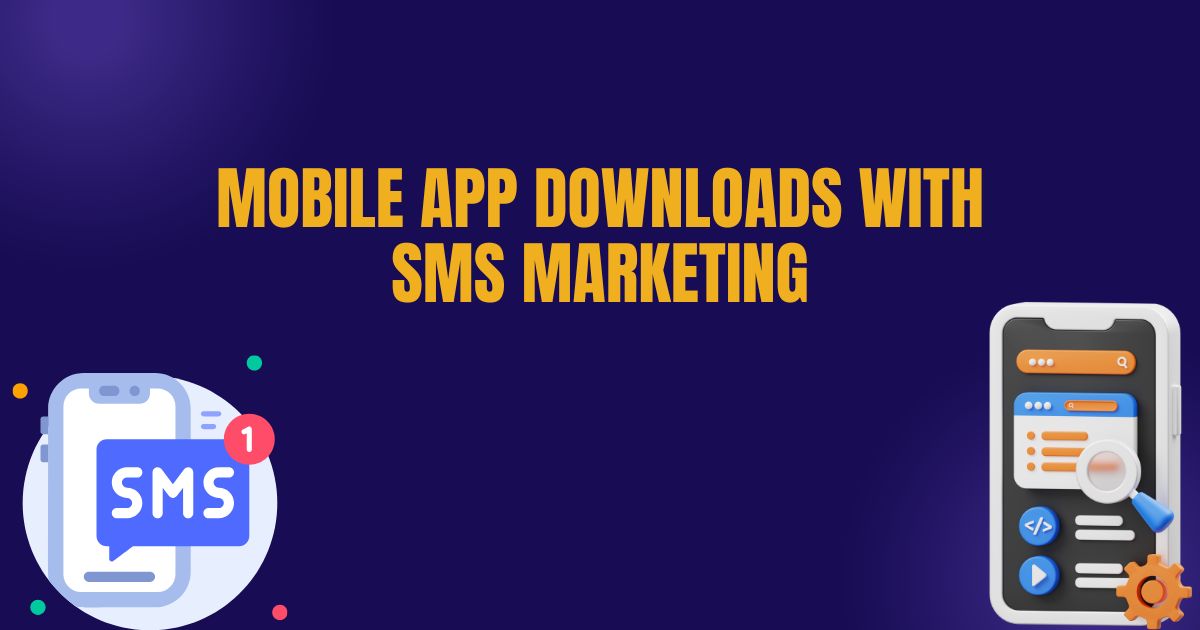
SMS marketing helps mobile apps drive downloads, engagement, and retention by reaching users directly on their phones. With high open rates, fast delivery, and strong personalization, SMS supports launches, re-engagement, automation, and measurable growth while staying compliant.
Why SMS Marketing Works for Mobile Apps
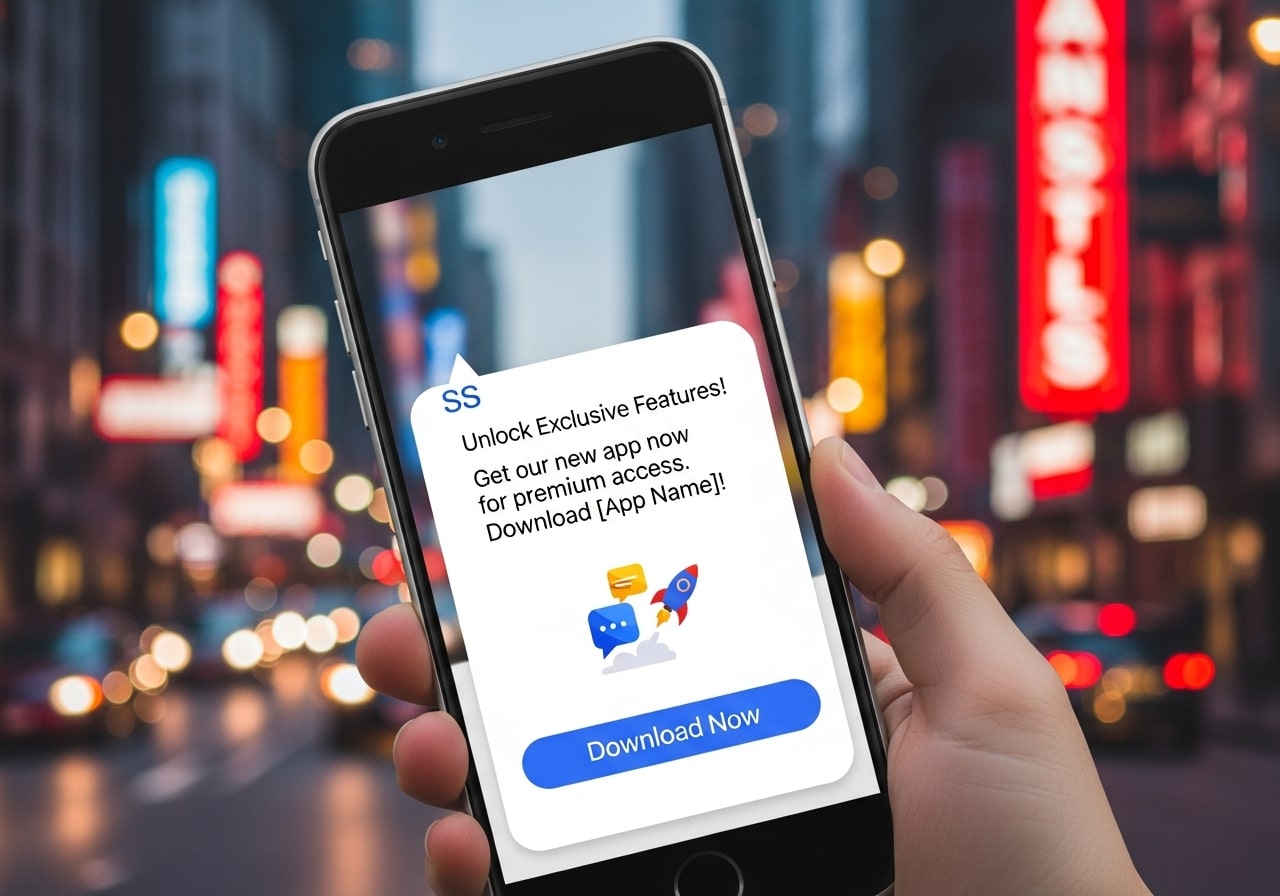
SMS marketing delivers results because it meets users where they spend most of their time: on their phones. Unlike email marketing, which competes with crowded inboxes, text messages appear directly on the home screen and demand immediate attention.
The numbers speak for themselves. SMS messages boast a 98% open rate compared to email’s 20% average. More importantly, 90% of text messages are read within three minutes of delivery. This immediacy makes SMS perfect for time-sensitive promotions and app launch announcements.
Mobile apps and SMS marketing create a natural synergy. Both channels operate within the mobile ecosystem, making the transition from text message to app store seamless for users. When someone receives a compelling SMS about your app, they can download it instantly without switching devices or platforms.
Building Your SMS Subscriber List
Success with SMS marketing begins with building a quality subscriber list of people genuinely interested in your app. Start collecting phone numbers early in your development process to create buzz before your official launch.
Lead Magnets and Incentives
Offer valuable incentives in exchange for phone numbers. Early access to your app, exclusive features, or premium content for free can motivate users to subscribe. Consider creating a beta testing program where SMS subscribers get first access to new features.
Discount codes work particularly well for paid apps. Offering a 50% launch discount exclusively to SMS subscribers creates urgency and provides clear value for sharing contact information.
Cross-Channel Promotion
Promote your SMS list across all existing marketing channels. Add subscription forms to your website, promote them on social media, and include calls-to-action in your email campaigns. If you have other apps, use in-app messages to promote SMS subscriptions for your new release.
Events and Partnerships
Industry events, conferences, and partnerships provide excellent opportunities to collect phone numbers. Create QR codes linking to your SMS signup form for easy scanning at trade shows or networking events.
Crafting Compelling SMS Campaigns
Effective SMS campaigns for mobile apps require careful attention to message content, timing, and frequency. With only 160 characters per message, every word must serve a purpose.
Pre-Launch Campaigns
Build anticipation before your app launches with a series of teaser messages. Share development milestones, behind-the-scenes content, and countdown messages to create excitement. A simple message like “Only 7 days until [App Name] launches! Be ready to revolutionize your [specific benefit]. Reply STOP to opt out” can generate significant buzz.
Launch Day Messages
Your launch day SMS should create urgency and provide clear next steps. Include your app’s name, primary benefit, and a direct link to download. For example: “🚀 [App Name] is LIVE! Get organized faster than ever. Download now: [link] Limited-time 50% off!”
Post-Launch Engagement
Continue engaging subscribers after launch with tips, updates, and exclusive offers. Share user success stories, announce new features, or provide tutorials that help users get more value from your app.
Timing and Frequency Best Practices
When you send SMS messages can dramatically impact their effectiveness. Mobile app marketing requires strategic timing to maximize engagement without overwhelming subscribers.
Optimal Send Times
Research shows that SMS messages perform best when sent between 10 AM and 8 PM in the recipient’s local timezone. Tuesday through Thursday typically see the highest engagement rates, with Monday and Friday showing lower performance.
For app-related messages, consider your target audience’s lifestyle. Productivity apps might perform better with messages sent during work hours, while entertainment apps could see better results with evening campaigns.
Message Frequency
Avoid overwhelming subscribers with too many messages. Start with one message per week and monitor unsubscribe rates carefully. If you notice increased opt-outs, reduce frequency. Most successful app marketers send 2-4 SMS messages per month.
Seasonal Considerations
Align your SMS campaigns with relevant seasons and events. Back-to-school periods work well for educational apps, while fitness apps might see success with New Year messaging. Holiday seasons can provide opportunities for gift-related messaging if your app offers gift cards or family sharing features.
Using SMS for User Retention and Re-Engagement

SMS marketing is not only effective for driving app downloads but also plays a crucial role in user retention and re-engagement. Many users install apps but stop using them after a short time. SMS allows you to bring inactive users back by sending reminders, feature highlights, or personalized messages based on their previous behavior. A simple reminder about unused features, abandoned actions, or newly released updates can reignite interest. Because SMS messages are delivered instantly and rarely ignored, they are especially effective for re-engaging users who no longer respond to email or push notifications.
Driving In-App Actions with SMS Campaigns
Beyond downloads, SMS marketing can be used to encourage specific in-app actions that drive growth and revenue. Text messages can promote limited-time offers, in-app purchases, subscription renewals, or special events happening inside the app. Since SMS reaches users directly on their phones, it reduces friction and shortens the time between message delivery and action. Including deep links that open specific app pages further improves conversions. When used strategically, SMS becomes a powerful tool to guide users through key app actions while maintaining a smooth and personalized user experience.
Leveraging SMS for Customer Support and Trust Building
SMS can also strengthen trust and improve the overall user experience by supporting customer communication. Sending transactional messages such as account confirmations, security alerts, payment updates, or support follow-ups reassures users that your app is reliable and secure. Proactive SMS communication helps reduce confusion, improve transparency, and increase user confidence. When users feel informed and supported, they are more likely to stay engaged with your app long term. Combining marketing messages with helpful, service-focused SMS creates a balanced communication strategy that prioritizes user trust.
Scaling App Growth with SMS Automation and AI

As your app grows, scaling SMS marketing manually becomes challenging. Automation and AI-powered tools make it possible to send timely, relevant messages at scale without sacrificing personalization. Automated workflows can trigger messages based on user behavior, such as onboarding completion, inactivity, or feature usage. AI-driven personalization further enhances engagement by tailoring content, timing, and offers for individual users. By combining SMS automation with data insights, app marketers can consistently drive growth, improve retention, and optimize campaign performance while minimizing manual effort.
Measuring SMS Marketing Success
Tracking the right metrics helps you optimize your SMS campaigns and prove their impact on app downloads. Focus on metrics that directly connect to your app marketing goals.
Key Performance Indicators
Click-through rate (CTR) measures how many subscribers tap your app store links. Aim for CTRs above 10% for SMS campaigns. Conversion rate tracks how many clicks result in actual downloads, while cost per acquisition compares your SMS marketing investment to the number of new users gained.
Monitor your unsubscribe rate closely. Rates above 5% per campaign suggest you’re sending too frequently or your content isn’t providing sufficient value.
Attribution and Tracking
Use unique tracking links for each SMS campaign to measure their individual performance. UTM parameters help you identify SMS traffic in your advanced analytics tools, while custom landing pages can improve conversion rates by providing SMS-specific experiences.
App store analytics provide additional insights into download patterns following SMS campaigns. Look for spikes in downloads that correlate with your message send times to validate your campaign effectiveness.
Advanced SMS Marketing Strategies
Once you’ve mastered basic SMS campaigns, advanced strategies can further increase your app downloads and user engagement.
Segmentation and Personalization
Divide your SMS list into segments based on user behavior, preferences, or demographics. Send different messages to iOS and Android users, or create separate campaigns for different app features. Personalized messages using subscribers’ names or past interactions can significantly improve engagement rates.
Automated Drip Campaigns
Set up automated SMS sequences that nurture subscribers over time. A welcome series might include an immediate thank-you message, followed by app benefits a few days later, then a limited-time download incentive the following week.
Integration with Other Channels
Combine SMS marketing with your other mobile app marketing efforts for maximum impact. Send follow-up SMS messages to email subscribers who haven’t opened recent campaigns, or use SMS to drive traffic to your social media content.
Compliance and Best Practices
SMS marketing operates under strict regulations that vary by country and region. Ensure your campaigns comply with all applicable laws to avoid penalties and maintain subscriber trust.
Consent and Opt-In Requirements
Always obtain explicit consent before sending marketing SMS messages. Use double opt-in processes where subscribers confirm their phone numbers via text. Clearly explain what types of messages they’ll receive and how frequently.
Opt-Out Mechanisms
Every marketing SMS must include clear opt-out instructions, typically “Reply STOP to unsubscribe.” Honor unsubscribe requests immediately and confirm the opt-out with a final message.
Data Protection
Protect subscriber phone numbers with the same security measures you use for other customer data. Implement encryption, access controls, and regular security audits to prevent data breaches.
Take Your App Marketing to the Next Level
SMS marketing offers mobile app developers a direct, high-impact channel for driving downloads and building lasting user relationships. By building a quality subscriber list, crafting compelling messages, and following best practices for timing and compliance, you can significantly boost your app’s visibility and download rates.
Start implementing SMS marketing gradually, beginning with a simple lead magnet to collect phone numbers and a basic welcome sequence. As you gain experience and see results, expand into more sophisticated segmentation and automation strategies.
Remember that successful mobile app marketing requires consistent effort and continuous optimization. Monitor your metrics closely, test different message styles and timing, and always prioritize providing value to your subscribers. With patience and strategic execution, SMS marketing can become a powerful driver of sustainable app growth.
Frequently Asked Questions (FAQ)
1. What is SMS marketing for mobile apps?
SMS marketing for mobile apps is a promotional strategy that uses text messages to communicate directly with users. These messages are used to promote app launches, share feature updates, offer discounts, and encourage downloads or engagement through direct links to app stores.
2. Is SMS marketing more effective than email marketing for app promotion?
SMS marketing is often more effective than email for time-sensitive app promotions because text messages are opened and read much faster. Emails can get lost in crowded inboxes, while SMS messages appear directly on the user’s phone screen, making them harder to ignore. That said, using both channels together usually delivers the best results.
3. How often should SMS messages be sent to subscribers?
Most mobile app marketers find success by sending two to four SMS messages per month. Sending messages too frequently can lead to higher unsubscribe rates, so it’s important to focus on quality and relevance rather than volume.
4. What types of SMS messages work best for driving app downloads?
Messages that clearly communicate the app’s main benefit and include a strong call-to-action perform best. Launch announcements, limited-time offers, feature updates, and exclusive access messages are especially effective when they include a direct download link.
5. How can I build an SMS subscriber list legally?
An SMS subscriber list must be built using explicit user consent. Phone numbers should be collected through opt-in forms, in-app prompts, event signups, or QR codes, and users should be clearly informed about the type and frequency of messages they will receive. Using a double opt-in process helps ensure compliance and list quality.
6. Are there legal requirements for SMS marketing?
Yes, SMS marketing is regulated by laws such as TCPA, GDPR, and other regional regulations. These laws require marketers to obtain consent, clearly identify themselves in messages, include opt-out instructions, and honor unsubscribe requests immediately.
7. How can the success of SMS marketing campaigns be measured?
Success is measured through metrics such as click-through rate, app downloads, conversion rate, cost per acquisition, and unsubscribe rate. Tracking links and app store analytics help attribute installs directly to specific SMS campaigns.
8. Does SMS marketing work for free mobile apps?
SMS marketing is highly effective for free apps as well. Instead of focusing on purchases, campaigns can drive installs, increase feature adoption, promote in-app purchases, and improve user retention.
9. Should SMS subscribers be segmented?
Segmenting SMS subscribers improves campaign performance by allowing more personalized messaging. Users can be segmented by device type, behavior, location, or engagement level to deliver more relevant content and higher conversion rates.
10. Is SMS marketing suitable for small app developers?
SMS marketing is well-suited for small and independent app developers because it is affordable, scalable, and easy to manage. Even small subscriber lists can generate meaningful results when campaigns are targeted and well-timed.