Building and Nurturing In-App Communities: A New Frontier in Mobile App Marketing
In today’s hyper-competitive app ecosystem, downloads alone no longer guarantee success. As smartphone penetration soars past 85% globally, users demand more than standalone features—they crave connection, shared experiences, and a sense of belonging. By embedding community features directly within your mobile app, you transform one-time installers into loyal advocates. This comprehensive guide explores why in-app communities are the next frontier in mobile app marketing and provides detailed tactics, technology recommendations, and future trends to help you build, sustain, and grow a thriving user community.
The Rise of In-App Communities
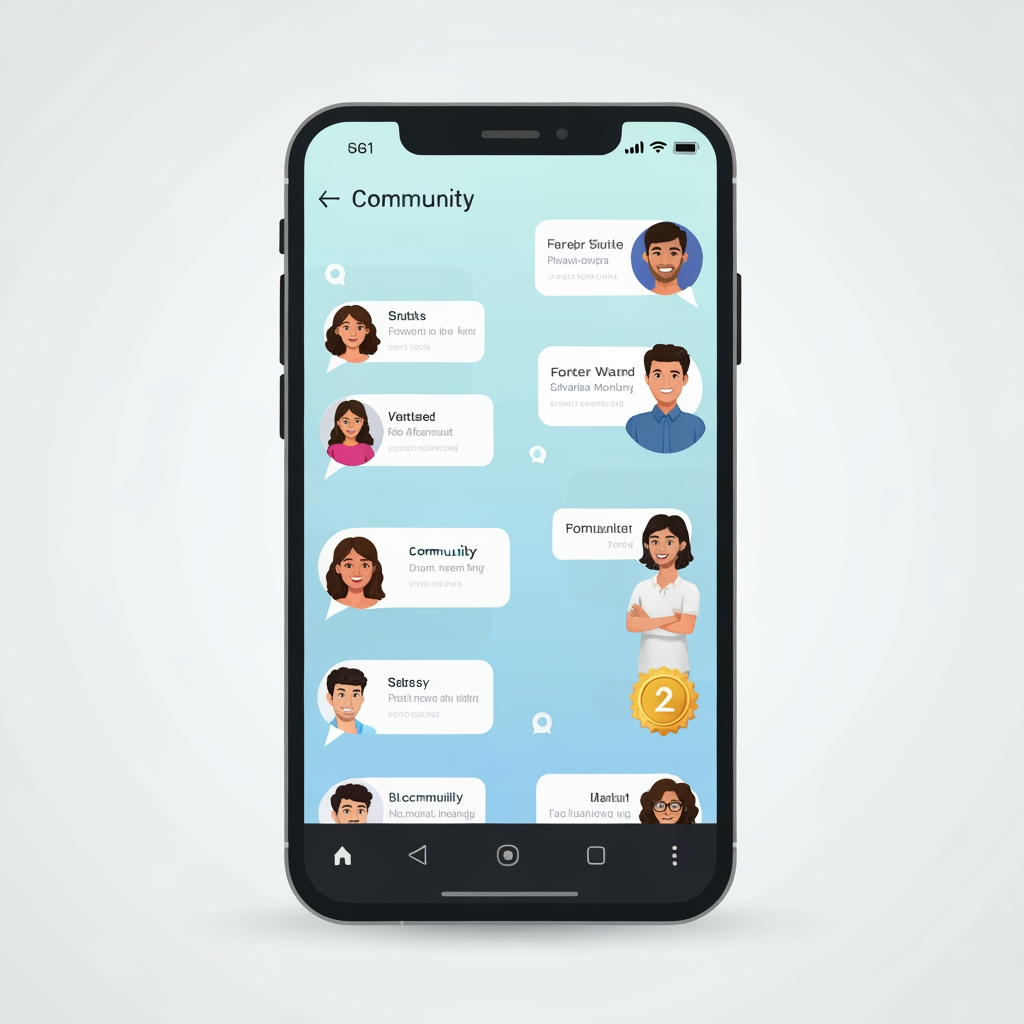
Over the last decade, social interaction has migrated from offline gatherings to global digital hubs. Leading apps—such as Strava for athletes, Duolingo for learners, and Untappd for craft beer enthusiasts—demonstrate how communities fuel engagement. These platforms leverage real-time chat, forums, peer challenges, and virtual events to keep users immersed. Unlike external social media groups, in-app communities retain traffic within your ecosystem, reducing drop-off and creating powerful network effects. As your user base grows, each new member increases the utility and stickiness of the community, driving organic growth and deepening brand loyalty.
Why In-App Communities Matter for Your Marketing Strategy
1. Enhanced User Engagement: Community features encourage daily check-ins, longer sessions, and richer interactions—from commenting on posts to sharing tips. An active forum or chat room can boost average session duration by up to 30%.
2. Improved Retention Rates: When users form friendships or mentorships, they become emotionally invested in the app’s ecosystem. Studies show community members exhibit 20–50% higher retention across 7- and 30-day cohorts compared to non-members.
3. Organic Growth & Referrals: Satisfied community members naturally invite friends, colleagues, or local contacts. Referral programs layered on community incentives can amplify word-of-mouth, reducing cost-per-install by as much as 40%.
4. Valuable User Feedback: Open channels for discussion and suggestion boxes allow you to surface feature requests, bug reports, and improvement ideas directly from your target audience.
5. Monetization Opportunities: Premium community tiers, exclusive content, sponsored posts, and virtual events create new revenue streams beyond in-app purchases and ads.
Key Strategies to Build and Grow Your In-App Community
- Clarify Your Purpose: Identify whether your in-app community is for support, user-generated content sharing, peer mentoring, or social networking. Tailor features accordingly.
- Segment User Groups: Use demographic, behavioral, or interest-based data to create sub-communities (e.g., beginners vs. advanced users). This personalization boosts relevance.
- Implement Gamification: Introduce points, badges, levels, and leaderboards. Reward top contributors publicly to motivate others and foster healthy competition.
- Empower Community Leaders: Identify power users and appoint them as moderators or ambassadors. Offer exclusive perks—beta access, special badges, or direct lines to your product team.
- Host Regular Events: Schedule live Q&A sessions, webinars, virtual meetups, or hackathons to keep momentum high and reward active participants.
- Leverage Content Themes: Rotate weekly or monthly themes—tips Tuesday, feature-request Friday—to guide discussions and maintain fresh content.
Essential Tools and Platforms
Selecting the right technology stack is crucial. For real-time chat and messaging, consider Sendbird, CometChat, or Stream—each offers scalable SDKs and moderation features. If you need full-featured forum capabilities, platforms like Discourse or Tribe can be embedded via webviews or native wrappers. Integrate analytics tools such as Mixpanel, Amplitude, or Firebase to track DAU/MAU, session durations, and feature usage. For hybrid or cross-platform apps, ensure your community SDK supports both iOS and Android, and offers robust error tracking and offline sync capabilities.
Best Practices to Maintain a Thriving Community
- Clear Community Guidelines: Publish and enforce policies around acceptable behavior, content standards, and moderation procedures. Use AI moderation tools for proactive screening.
- Consistent Content Calendars: Plan weekly posts, polls, and featured user stories to keep the feed active—even during slow news cycles.
- Two-Way Communication: Share product roadmaps and invite feedback. Publicly acknowledge contributions and close the feedback loop by announcing implemented suggestions.
- Recognition & Rewards: Celebrate member anniversaries, spotlight top posts, and offer exclusive swag or discount codes to keep loyalty high.
- Multi-Channel Promotion: Promote community highlights via push notifications, email digests, and in-app banners to maximize visibility.
Challenges and Pitfalls to Avoid
Building an in-app community isn’t without risks. Over-moderation can stifle genuine conversation, while under-moderation may allow spam, trolling, or toxic behavior to flourish. Investing in moderation AI and training volunteer moderators is essential. Avoid neglecting lurkers—users who consume content but don’t post—by introducing low-effort engagement options such as quick reactions, polls, or one-click feedback. Finally, be mindful of data privacy and GDPR regulations: obtain clear consent before collecting or using user-generated content for marketing or analytics.
Measuring Success: Key Metrics to Track
- Daily & Monthly Active Users (DAU/MAU): Core engagement indicators that show community health over time.
- Contribution Rate: Percentage of users who post, comment, or react within a given period.
- Retention Cohorts: Compare churn rates of community members vs. non-members to quantify impact.
- Average Session Duration: Monitor whether community features extend overall app usage.
- Net Promoter Score (NPS): Survey community members to gauge sentiment and referral likelihood.
- Lifetime Value (LTV): Evaluate how community engagement correlates with in-app purchases or subscriptions.
Future Trends in In-App Communities
Looking ahead, emerging technologies like augmented reality (AR) and spatial audio will elevate in-app interactions by creating immersive virtual meetups. AI-driven personalization will auto-curate content feeds based on individual interests and behavior patterns. Blockchain and NFTs may introduce unique digital collectibles and proof of membership, fostering scarcity-driven engagement. Additionally, voice-first communities—powered by smart assistants—could unlock new user groups seeking hands-free social experiences. Staying ahead of these trends will require continuous experimentation and agile roadmapping.
Conclusion
In-app communities represent a transformative approach to mobile app marketing—one that nurtures loyalty, amplifies word-of-mouth, and unlocks new monetization avenues. By defining clear objectives, selecting best-in-class tools, and applying proven engagement tactics, you can cultivate a vibrant ecosystem where users learn, share, and grow together. Monitor key metrics, adapt to emerging trends, and maintain transparent communication to sustain momentum. With dedication and strategic investment, your in-app community will become your most powerful catalyst for long-term user success and business growth.