
It’s exciting to release a mobile app, but how can developers make sure that people download their app? And that’s when the real work starts. With intense competition in the mobile app industry, it is not simply enough to have a great product. And of course, you have to do some digital marketing that works.
Why Effective Marketing Is Essential for Mobile App Growth

There are over 8.93 million mobile apps available across the Apple App Store and Google Play Store combined! And this stunning number helps to illustrate one thing: having your app seen is no easy thing. Without good marketing, there’s too much noise to cut through.
A successful strategy does more than earning downloads; it ensures that you not only retain users but also generate revenue by building a loyal user base around your app. Here’s how to do it.
Understand Your Audience Inside and Out
Before promoting your mobile app, you need to fully understand who your users are. Gathering deep insights into their preferences, behavior, and pain points lays the foundation for any successful marketing strategy.
Actionable Tips:
- Conduct market research. Use tools like Google Analytics, App Store reviews, and social media analytics to gather demographic and behavioral data.
- Develop user personas. Create profiles representing your app’s ideal users, including their motivations and challenges.
- Tap into feedback. Survey potential and existing users to learn how your app solves (or can solve) their problems.
Understanding your audience ensures each marketing campaign resonates with their specific needs.
Create a High-Converting App Landing Page
Your app’s landing page is the heart of your digital marketing strategy. It’s where potential customers learn about your app and decide whether to download it.
Must-Have Elements:
- Clear, compelling headline: Highlight your app’s value in seconds.
- Appealing visuals and screenshots: Demonstrate the interface, key features, and user experience.
- Social proof: Showcase reviews, testimonials, and ratings.
- Call-to-action (CTA): Include direct download links for both iOS and Android.
A stellar landing page not only drives user downloads but also fuels your marketing campaigns by serving as a reference point.
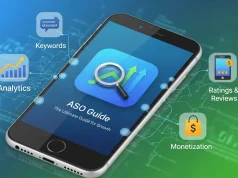
App Store Optimization (ASO)

If search engine optimization (SEO) is the key to web visibility, app store optimization (ASO) is the secret sauce for mobile app discoverability. Ranking high on the App Store or Google Play ensures your app attracts new organic users.
ASO Strategies:
- Choose the right keywords: Use tools like Sensor Tower or App Annie to identify high-volume search terms related to your app.
- Optimize your title and description: Incorporate targeted keywords naturally while making the benefits clear.
- Use eye-catching visuals: App icons and screenshots play a massive role in convincing users to click ‘download.’
- Encourage positive reviews: Genuine ratings boost your app’s credibility and visibility on stores.
Consistent ASO can help organically scale your app’s traffic and downloads.
Leverage Content Marketing

Content marketing helps you establish credibility while drawing organic traffic to your digital platforms. Whether through blog posts, videos, or social media, this strategy builds brand authority and fosters trust.
Content Ideas:
- Educational blogs: Write posts centered around problems your app solves (like “5 Fitness Habits You Can Track with [App Name]”).
- Video demos: Use platforms like YouTube or Instagram Reels to showcase how your app works.
- Infographics and guides: Share value-packed visuals like how-to guides or industry stats.
Great content indirectly drives downloads by positioning your app as a solution-focused product.
Run Paid Ad Campaigns

If you’re looking to fast-track your app downloads, paid advertising is one of the most effective tools at your disposal. Platforms like Google Ads and Meta (Facebook and Instagram) allow you to directly target customers who are likely to be interested in your app.
Tips for Ads:
- Leverage audience targeting: Utilize demographics, location, and interests to reach your ideal users.
- Retarget visitors: Use retargeting ads to remind potential users who have previously interacted with your app or landing page.
- Experiment with ad formats: Try banner ads, interstitial ads, and rewarded video ads for maximum reach.
Paid ads give you immediate visibility and help reinforce your organic efforts.
Build a Social Media Presence
Social platforms like Instagram, Twitter, TikTok, and LinkedIn are excellent for cultivating a community and engaging with potential users. A strong social media game increases brand awareness and encourages app loyalty.
Best Practices:
- Stay authentic. Share relatable, behind-the-scenes content to build trust with your followers.
- Interact with your audience. Respond to comments, answer questions, and engage in conversations.
- Work with influencers: Partner with relevant influencers for reviews, giveaways, or sponsored content.
Make sure your social sharing buttons are easily accessible within your app to encourage organic engagement as well.
Harness the Power of Email Marketing
Email remains one of the most cost-effective ways to engage with your audience. A well-executed email marketing strategy can nurture user relationships, reduce churn, and prompt downloads.
Email Campaign Ideas:
- Welcome emails: Greet new users with a personal message and tips on using your app.
- Feature highlights: Promote app updates or new functionalities to keep users excited.
- Exclusive offers: Reward existing users with discounts, bonuses, or early access features.
Automated email tools like Mailchimp or Drip make scaling these strategies much easier.
Focus on User Retention and Engagement
Getting downloads is only half the battle—retaining users is what drives long-term success. High uninstall rates signal poor user experience and negatively impact app store rankings. Focus on onboarding flows that clearly demonstrate your app’s value within the first few minutes of use. Push notifications, in-app messages, and personalized recommendations can re-engage users and keep them active. Regular updates, bug fixes, and feature improvements also show users that your app is evolving. Strong retention strategies increase lifetime value (LTV) and make every marketing dollar more effective.
Use App Analytics to Guide Decisions
Data-driven decisions separate successful apps from struggling ones. App analytics tools like Firebase, Mixpanel, or Amplitude help you track user behavior, session duration, retention rates, and conversion funnels. By analyzing how users interact with your app, you can identify drop-off points and optimize features accordingly. Analytics also reveal which marketing channels bring high-quality users versus low-retention installs. Use these insights to refine your campaigns, improve onboarding, and prioritize feature development. Continuous optimization based on real data ensures sustainable app growth.
Implement Referral and Reward Programs
Referral programs turn existing users into powerful growth engines. By offering incentives like discounts, premium features, or in-app rewards, you encourage users to invite friends and colleagues. Referred users often have higher trust and retention because they come through personal recommendations. Make the referral process simple with one-click sharing and clear rewards. Highlight the benefits prominently within your app to increase participation. A well-designed referral program can significantly reduce customer acquisition costs while driving consistent organic growth.
Optimize for App Reviews and Ratings
App reviews heavily influence download decisions and store rankings. Encourage satisfied users to leave positive reviews at the right moment—such as after completing a successful action or achieving a milestone. Avoid asking too early, which may result in negative feedback. Responding to reviews, both positive and negative, shows users that you care and builds trust. Address common complaints through updates and communicate improvements clearly. Consistently high ratings improve visibility and credibility, directly impacting your app’s growth potential.
Collaborate With Strategic Partners
Partnerships can unlock new audiences faster than solo efforts. Collaborate with brands, platforms, or apps that share a similar target audience but aren’t direct competitors. Cross-promotions, co-branded campaigns, or bundled offers expose your app to users who already trust your partners. Strategic partnerships also enhance credibility and reduce marketing costs. For example, a fitness app partnering with a nutrition brand creates mutual value. Well-aligned collaborations accelerate growth while strengthening your app’s ecosystem.
Localize Your App for Global Reach
Localization goes beyond simple translation—it adapts your app to different cultures, languages, and user behaviors. Optimizing app descriptions, screenshots, and keywords for local markets improves discoverability and conversion rates. Consider region-specific pricing, payment options, and content preferences. Localization also applies to marketing campaigns, ensuring ads and messaging resonate with local audiences. Expanding globally without localization limits your growth potential. A localized strategy helps your app compete effectively in international markets.
Build a Long-Term Brand Identity
Strong branding makes your app memorable and trustworthy. Consistent visuals, tone of voice, and messaging across your app, website, and marketing channels build recognition over time. A clear brand identity differentiates your app in crowded marketplaces and fosters emotional connections with users. Share your brand story, mission, and values to humanize your product. When users identify with your brand, they’re more likely to stay loyal, recommend your app, and engage long-term—turning marketing efforts into lasting growth.
Optimize App Onboarding for First-Time Users
First impressions determine whether users stay or uninstall your app. A smooth onboarding experience clearly communicates value within seconds. Avoid overwhelming users with too many steps or permissions at once. Instead, guide them through core features gradually using tooltips, walkthroughs, or short tutorials. Allow users to explore before forcing account creation when possible. Personalizing onboarding based on user goals improves engagement even further. When users quickly understand how your app solves their problem, retention increases and marketing efforts deliver higher returns.
Use Push Notifications Strategically
Push notifications are powerful when used correctly but harmful when overused. Well-timed notifications can bring users back into your app, highlight updates, or promote limited-time offers. Segment users based on behavior so messages feel relevant rather than intrusive. For example, remind inactive users about unfinished actions or notify active users about new features they’ll appreciate. Include clear value in every notification. Strategic push campaigns boost engagement, retention, and session frequency without causing notification fatigue.
Experiment With App Gamification
Gamification adds fun and motivation to app usage. Features like badges, points, leaderboards, and challenges encourage users to return and stay engaged. Gamification works especially well for fitness, education, and productivity apps. Rewarding progress makes users feel accomplished and invested in your app. Even simple elements like streaks or achievement milestones can increase daily active users. When users enjoy using your app, they’re more likely to recommend it organically, lowering your overall marketing costs.
Take Action for Your Mobile App’s Growth
Marketing a mobile app is no small feat. It requires a combination of strategies, timely execution, and audience understanding. By experimenting with the tactics above and tailoring them to your unique audience, you’ll see both user downloads and engagement grow over time.
Frequently Asked Questions (FAQ)
1. Why is marketing important for a mobile app?
Marketing is essential because app stores are highly competitive. Even a well-designed app won’t succeed without visibility. Effective marketing helps increase downloads, attract the right users, improve retention, and generate long-term revenue.
2. What is the best way to promote a new mobile app?
The best approach is a mix of strategies, including App Store Optimization (ASO), content marketing, paid ads, social media promotion, and email marketing. Combining organic and paid methods delivers faster and more sustainable growth.
3. How does App Store Optimization (ASO) help app growth?
ASO improves your app’s visibility in app store search results. By optimizing keywords, app descriptions, visuals, and reviews, ASO helps attract organic users who are actively searching for apps like yours.
4. Are paid ads effective for mobile app downloads?
Yes, paid ads are highly effective when used correctly. Platforms like Google Ads and Meta allow precise targeting and retargeting, helping you reach users who are more likely to download and engage with your app.
5. How can content marketing help promote a mobile app?
Content marketing builds trust and authority. Blogs, videos, tutorials, and guides educate users about your app’s value, drive organic traffic, and indirectly increase app downloads over time.
6. Which social media platforms are best for app marketing?
The best platform depends on your audience. Instagram and TikTok work well for consumer apps, LinkedIn is ideal for B2B apps, and Twitter helps with tech-focused or community-driven products.
7. How does email marketing help mobile apps?
Email marketing helps retain users, reduce churn, and promote updates or features. Personalized email campaigns can re-engage inactive users and encourage repeat app usage.
8. How long does it take to see results from app marketing?
Results vary depending on strategy and budget. Paid ads can generate downloads quickly, while organic methods like ASO and content marketing typically take a few weeks to show consistent results.
9. Should startups invest in app marketing early?
Yes. Early marketing helps validate your app idea, attract early adopters, and gather feedback. Starting early also reduces the risk of launching an app without demand.
10. What is the biggest mistake in mobile app marketing?
The biggest mistake is focusing only on downloads instead of user retention and engagement. Long-term success depends on keeping users active, satisfied, and loyal—not just installing the app.