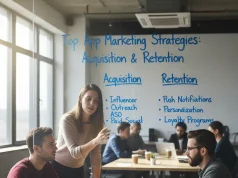
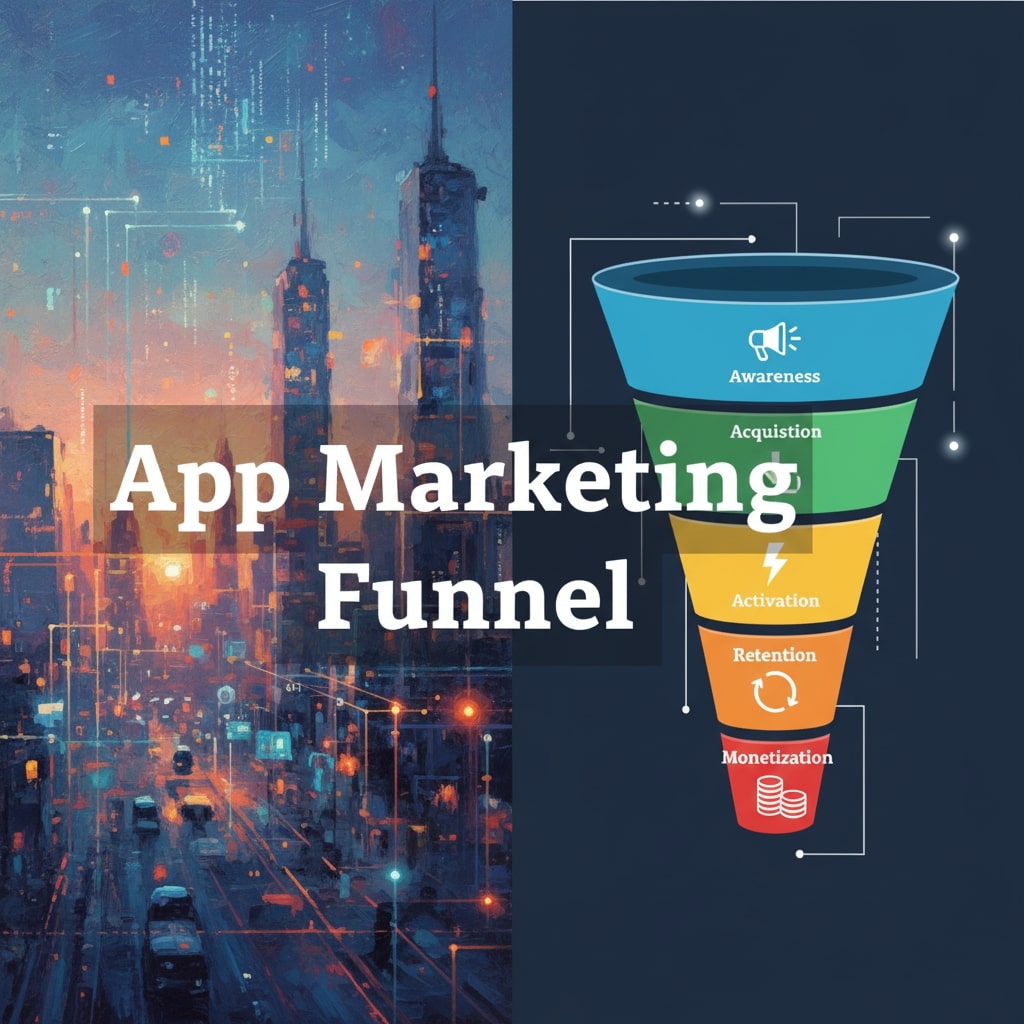
Awareness Stage: Capturing Attention

Before users can download your app, they need to discover it. Brand awareness is critical here. Focus on channels where your target personas spend time, whether it’s social media, search engines, or niche communities. The goal is to cast a wide net with compelling creative that highlights your app’s unique value proposition.
- App Store Optimization (ASO): Research high-traffic keywords, optimize title and description, and localize metadata for each region.
- Paid User Acquisition: Run targeted campaigns on Facebook, Google UAC, and programmatic networks to reach lookalike audiences.
- Influencer Partnerships: Collaborate with micro-influencers in your niche to showcase real-world use cases and social proof.
- Content Marketing & PR: Publish blog posts, guest articles, and press releases to improve organic visibility and credibility.
Acquisition Stage: Driving Conversions
Once users land on your App Store or landing page, your objective shifts to convincing them to install. This stage demands persuasive messaging, social proof, and frictionless flows that guide visitors toward a single call-to-action: download.
- Optimized Landing Pages: A/B test headlines, visuals, and benefits to maximize click-through rates.
- Rich Media Previews: Use carousel videos and high-quality screenshots to demonstrate core features in seconds.
- Social Proof & Reviews: Highlight star ratings and user testimonials to reduce uncertainty.
- One-Click Installs: Minimize form fields and leverage deferred deep linking to streamline the install process.
Activation & Engagement
An install alone doesn’t guarantee value. Activation occurs when users complete a key action—like creating a profile, making a first purchase, or completing a tutorial. Engagement measures how often they return and use the app over time.
- Onboarding Flows: Interactive walkthroughs, tooltips, and progressive disclosure help users experience “aha” moments faster.
- Push & In-App Messaging: Send personalized triggers based on behavior, such as cart abandonment reminders or feature tips.
- Gamification Elements: Introduce badges, leaderboards, or progress bars to motivate frequent usage.
- Email Drip Campaigns: Engage new users with sequences that teach advanced features and best practices.
Retention & Loyalty
Keeping users engaged over weeks and months is vital for profitability. High retention rates lower acquisition costs over time and increase lifetime value. Focus on delivering ongoing value, surprise-and-delight moments, and community building.
- Behavioral Segmentation: Group users by usage patterns and tailor content to each segment.
- Reactivation Campaigns: Use push, email, and SMS to re-engage dormant users with special offers or new features.
- Loyalty Programs: Reward recurring users with points, VIP status, or early access perks.
- Community & Social Features: Integrate forums, chat rooms, or social sharing to foster user-to-user interaction.
Monetization & Growth
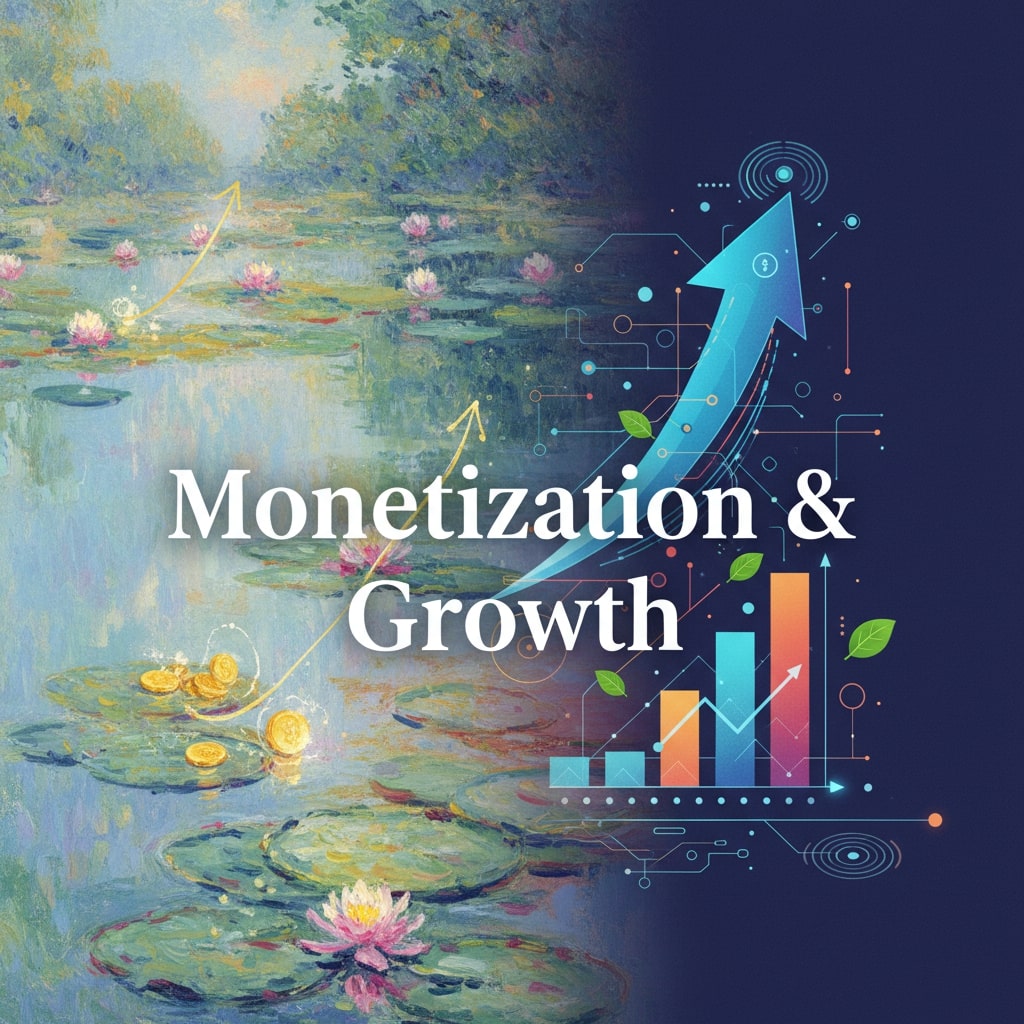
Monetization can take many forms—subscriptions, in-app purchases, ads, or freemium models. The key is to align your revenue strategy with user expectations and ensure a seamless payment experience.
- Tiered Subscription Plans: Offer a free trial or basic tier, then upsell premium features with clear ROI messaging.
- Dynamic Pricing & Bundles: Use time-limited bundles or location-based pricing to maximize average revenue per user (ARPU).
- Native Ad Integration: Run rewarded video or interstitial ads that feel natural within the app flow.
- Referral Incentives: Encourage word of mouth by rewarding both referrer and referee upon first purchase.
Personalization and Behavioral Segmentation
Personalization is no longer optional; it’s table stakes. By analyzing in-app behavior, demographics, and preferences, you can serve hyper-relevant content, offers, and recommendations that feel tailor-made for each user. Machine learning models can predict churn risk, ideal times to send notifications, and features most likely to drive retention.
Create audience segments based on lifecycle stage, purchase history, and engagement frequency. Then, deploy multi-channel campaigns—email, push, SMS—that speak directly to each segment’s needs and motivations. This level of customization not only boosts conversion rates but also strengthens brand affinity.
Advanced Funnel Optimization Techniques
Continuous experimentation is the hallmark of a high-performing funnel. Run A/B and multivariate tests on everything from onboarding copy to push notification timing. Leverage cohort analysis to identify drop-off points and iterate rapidly on weak funnels. Heatmaps and session recordings can reveal UX friction that analytics alone may miss.
Additionally, consider automated bid strategies in paid campaigns, real-time personalization engines for in-app content, and dynamic creative optimization in ad networks. These advanced tools help you scale what works while culling wasted spend on underperforming tactics.
Cross-Channel User Journey Mapping
A modern app user rarely interacts with a single channel in isolation. They move seamlessly across social media, search engines, websites, app stores, emails, and offline touchpoints. Understanding this multi-touch journey is critical for optimizing the funnel and delivering personalized experiences.
Steps to Map the User Journey:
Identify All Touchpoints: Track interactions across organic search, paid ads, social campaigns, email, in-app messages, push notifications, and referral sources.
Define Micro-Conversions: Break down the user journey into smaller goals, such as viewing the onboarding tutorial, adding an item to the cart, or completing a profile.
Visualize Paths to Conversion: Use flowcharts or journey mapping tools to see the paths most users take, highlighting bottlenecks or drop-off points.
Assign Attribution Value: Implement multi-touch attribution to credit each interaction that contributes to acquisition, activation, or retention.
Optimize Channels & Messaging: Once touchpoints are mapped, refine messaging, creative, and timing for each channel to increase engagement and conversion.
By mapping cross-channel interactions, marketers can ensure that users experience a consistent, relevant, and frictionless journey from discovery to monetization.
Leveraging Analytics & Machine Learning for Funnel Optimization
Data-driven decision-making is essential to fine-tune each stage of the app marketing funnel. Analytics and machine learning (ML) enable marketers to predict user behavior, personalize interactions, and proactively prevent churn.
Analytics Applications:
Behavioral Segmentation: Group users by actions such as app usage frequency, session length, and purchase behavior to deliver targeted campaigns.
Churn Prediction: Use historical data and predictive models to identify users at risk of abandoning the app and trigger timely re-engagement campaigns.
A/B and Multivariate Testing: Experiment with onboarding flows, push notifications, and pricing models to identify optimal strategies.
Funnel Drop-Off Analysis: Track where users exit the funnel to address UX friction or misaligned messaging.
Machine Learning Applications:
Personalized Recommendations: Suggest content, products, or features tailored to individual user preferences to increase engagement and monetization.
Dynamic Segmentation: Automatically update user segments based on real-time behavior, ensuring campaigns remain relevant as user needs evolve.
Predictive Notifications: ML models can determine the optimal time, channel, and message to engage a user, maximizing open rates and conversions.
Revenue Forecasting: Predict lifetime value (LTV) for different user cohorts, helping prioritize high-value segments for retention and upsell campaigns.
By integrating analytics and machine learning into the funnel, marketers can not only react to user behavior but also anticipate it, driving smarter decisions at every stage.
Scaling Growth with Automation and AI-Powered Campaigns
Once the funnel is optimized and analytics insights are in place, scaling growth requires automation and AI-driven orchestration. This ensures campaigns are executed efficiently, consistently, and at scale without manual intervention.
Automation Strategies:
Triggered Campaigns: Automatically send messages based on user actions, such as abandoned carts, incomplete onboarding, or inactivity periods.
Lifecycle Marketing Automation: Deploy sequences of push notifications, in-app messages, and emails tailored to each lifecycle stage—from acquisition to reactivation.
Dynamic Content Delivery: Adjust app content or offers in real-time based on behavioral data, location, device type, or demographic profile.
Bid Optimization for Paid Ads: Use automated bidding strategies on ad networks to maximize ROAS and minimize cost-per-install (CPI).
AI-Powered Optimization:
Predictive Engagement Scoring: Identify users most likely to engage with a campaign and allocate resources efficiently.
Personalized Monetization Offers: AI recommends pricing, discounts, or upsell options based on individual user behavior and propensity to convert.
Real-Time A/B Testing: AI can dynamically test multiple variations of content or messaging and automatically implement the best-performing version.
Fraud Detection: AI monitors anomalies in app usage and ad clicks, preventing fraudulent activity that could skew metrics or revenue.
By leveraging automation and AI, app marketers can scale campaigns globally, maintain relevance for individual users, and maximize ROI while reducing manual workload.
Key Performance Indicators to Track
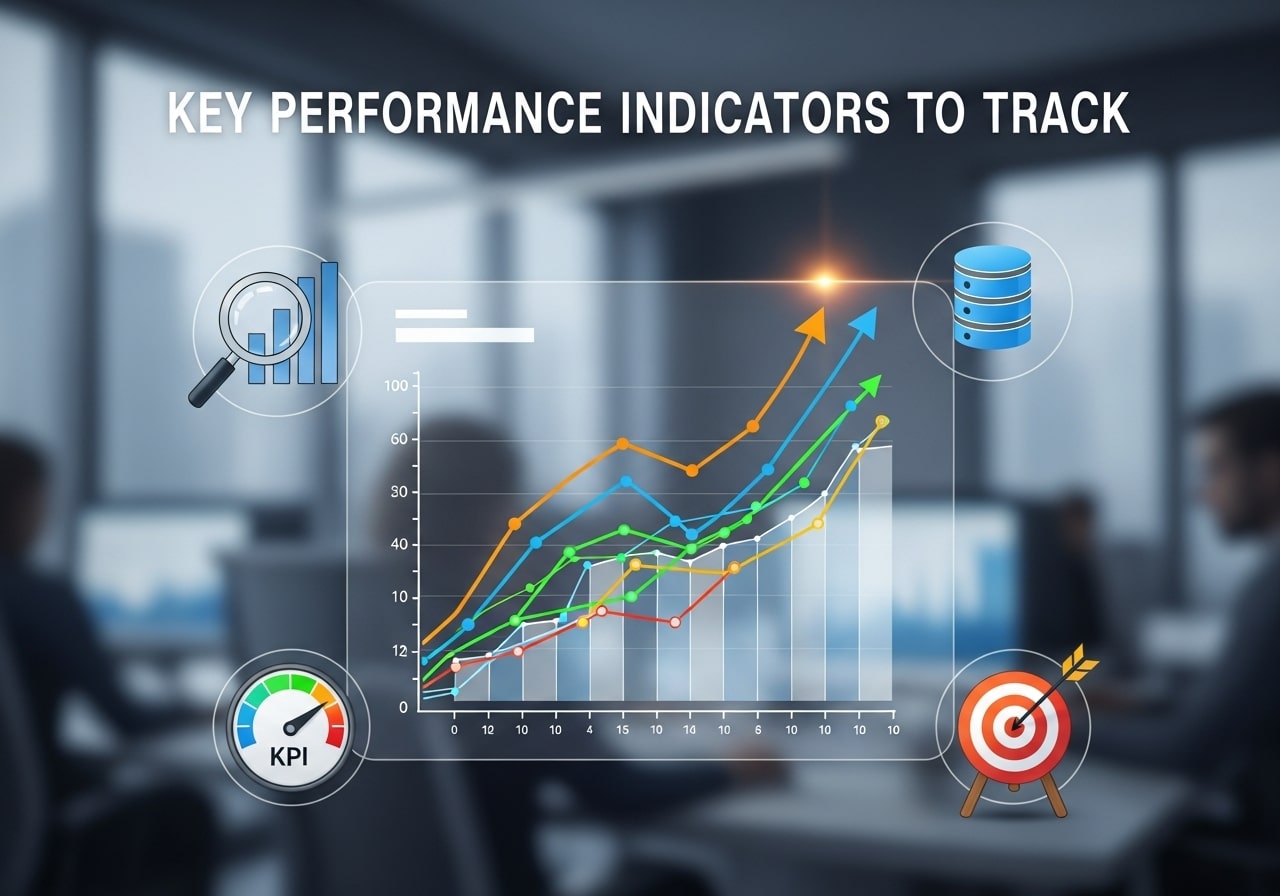
- Install Rate and CPI (Cost Per Install)
- Activation Rate (e.g., account creation or tutorial completion)
- DAU/MAU Ratio (Daily/Monthly Active Users)
- Retention Rate by Cohort (Day 1, Day 7, Day 30)
- Churn Rate and Reactivation Rate
- ARPU (Average Revenue Per User) and LTV (Lifetime Value)
Conclusion
Building a robust app marketing funnel is an ongoing journey of testing, learning, and optimization. By systematically guiding users from awareness to loyalty—and by leveraging personalization, advanced analytics, and continuous experimentation—you’ll create a self-reinforcing loop that drives sustainable growth and revenue. Start mapping your funnel today, measure the right metrics, and iterate rapidly to outpace the competition.
FAQ: App Marketing Funnel Optimization
1. What is the app marketing funnel?
It’s the series of stages a user goes through—from awareness to acquisition, activation, engagement, retention, and monetization—designed to maximize lifetime value.
2. How do I measure app activation?
Activation metrics vary by app type, such as account creation, completing onboarding, or making the first in-app purchase.
3. Why is retention more important than acquisition?
Retaining users costs less than acquiring new ones and directly impacts lifetime value and profitability.
4. How can AI help improve the funnel?
AI predicts user behavior, personalizes messaging, automates campaigns, and optimizes monetization in real time.
5. What is cohort analysis, and why is it important?
Cohort analysis tracks user behavior over time, helping identify retention patterns, drop-offs, and the effectiveness of campaigns.
6. Should I invest in paid ads or organic growth first?
Both are important, but paid campaigns accelerate early acquisition, while ASO, content marketing, and PR build long-term visibility.
7. How often should I update my app marketing strategy?
Continuously. User behavior and market dynamics evolve, so test, learn, and optimize regularly.
8. What are the most effective retention tactics?
Behavioral segmentation, reactivation campaigns, gamification, push notifications, and loyalty programs.
9. How can I increase monetization without harming UX?
Use tiered subscriptions, rewarded ads, dynamic pricing, and referral incentives that align with user expectations and behavior.
10. Which KPIs matter most for growth?
Install rate, activation rate, retention, DAU/MAU, ARPU, LTV, churn rate, and reactivation rate.