
In today’s competitive app marketplace, understanding user behavior is key to standing out. Behavioral segmentation groups users based on in-app actions, preferences, and engagement patterns rather than just demographics, enabling marketers to craft highly personalized campaigns. Collecting detailed data through analytics platforms allows the creation of actionable user personas, which guide tailored messaging, offers, and timing.
In today’s saturated app marketplace, standing out requires more than catchy visuals or aggressive ad spend. Brands that understand and anticipate user needs by analyzing real behavior patterns can craft messages that resonate deeply. Behavioral segmentation empowers app marketers to identify distinct user groups based on in-app actions, preferences, and usage frequency. When paired with hyper-personalized campaigns, it yields higher engagement, reduced churn, and improved lifetime value. In this comprehensive guide, we’ll explore the end-to-end process of building a behavior-driven app marketing strategy that delivers measurable results.
Understanding Behavioral Segmentation
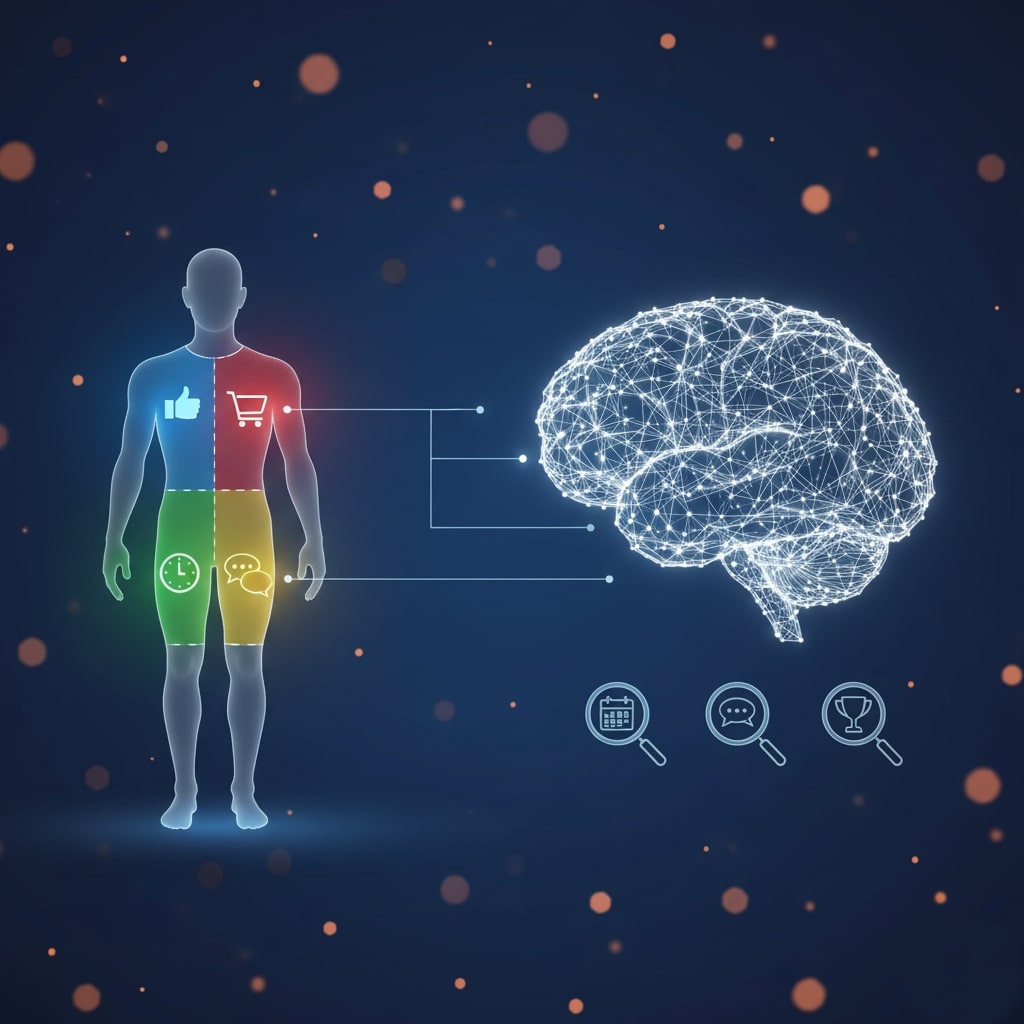
Behavioral segmentation categorizes users according to their interactions within your app rather than demographic attributes alone. This can include metrics such as session duration, feature usage, purchase history, in-app event triggers, and frequency of return. By grouping users into meaningful clusters—such as “power users,” “occasional browsers,” and “inactive churn risks”—marketers tailor messaging to address specific pain points or motivations. Compared to broad demographic campaigns, behavioral segments drive personalization at scale and ensure that each user receives the right content at the right time.
Data Collection Techniques
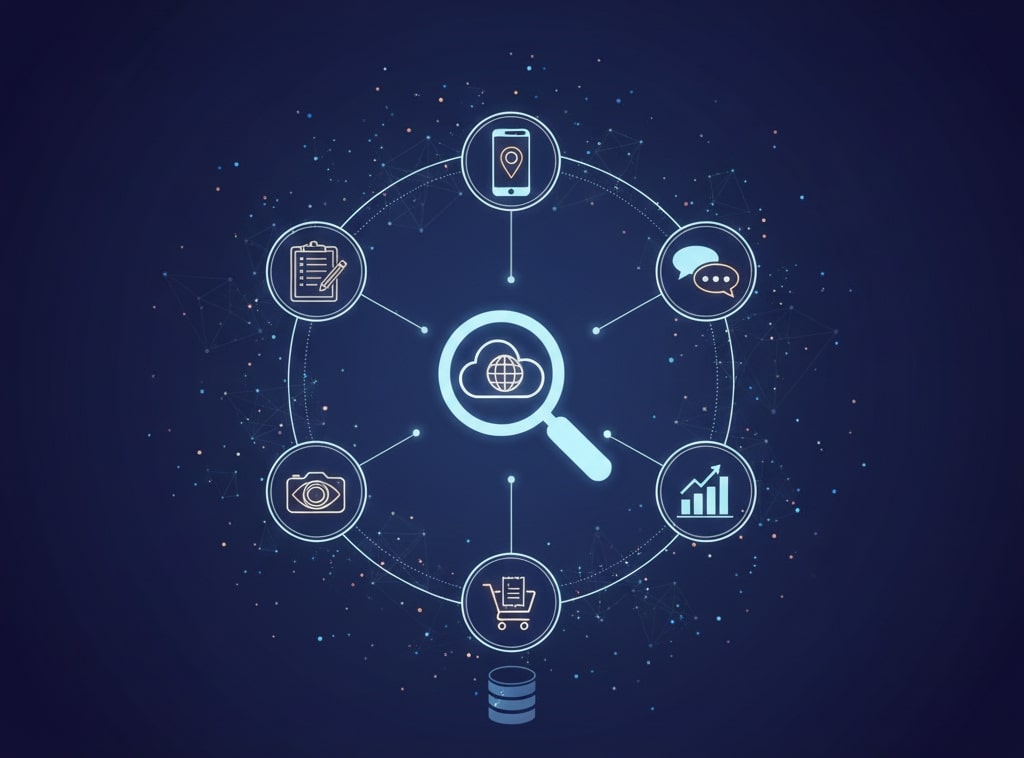
Accurate segmentation relies on robust data collection. Leverage in-app analytics platforms like Firebase Analytics, Mixpanel, or Amplitude to capture granular events. Key data points include:
- Session frequency and length
- Feature or module usage (e.g., search, chat, checkout)
- Transaction value and purchase cadence
- In-app navigation paths
- Custom events such as level completions or saved items
Combine event data with device properties (OS version, location, language) and acquisition source to enrich your segments. Ensure compliance with privacy regulations by obtaining user consent and anonymizing sensitive information when necessary.
The Psychology Behind User Behavior
Understanding user behavior starts with psychology. Every action in an app—from tapping a button to abandoning a cart—reflects underlying motivations, habits, and emotional triggers. By analyzing these patterns, marketers can anticipate user needs and craft experiences that feel intuitive and rewarding. This section explores concepts like cognitive load, reward loops, and decision fatigue, showing how behavioral insights can help apps reduce friction, increase engagement, and create memorable experiences that resonate emotionally with users.
Journey Mapping for Behavior-Driven Marketing
Before personalizing campaigns, you need a detailed map of the user journey. This involves tracking touchpoints from first app download through repeated usage, in-app purchases, and potential churn signals. Mapping behavioral paths reveals where users drop off, which features they love, and where interventions are most effective. With this information, marketers can design targeted messaging, timing strategies, and feature nudges that guide users toward desired actions while improving overall satisfaction and retention.
Segmentation Beyond the Basics

Traditional segmentation focuses on demographics, but behavior-driven segmentation digs deeper. Users can be clustered based on engagement frequency, feature adoption, purchasing habits, in-app navigation patterns, or responsiveness to past campaigns. Advanced segmentation even considers predictive behavior, such as likelihood to churn or potential to upgrade. This granularity allows marketers to move from generic campaigns to highly targeted experiences that feel personalized at an individual level, increasing the chance of engagement and long-term loyalty.
Personalization Strategies That Work
Hyper-personalization goes beyond inserting a user’s name; it leverages behavioral signals to tailor content, offers, and recommendations dynamically. Effective strategies include contextual messaging, personalized onboarding flows, adaptive pricing offers, and feature-specific tutorials. By aligning communication with observed actions, marketers can make every interaction relevant and timely. This approach not only boosts engagement but also builds trust, as users perceive the app as responsive and attuned to their needs.
Integrating Cross-Channel Experiences
Users interact with apps across multiple channels—push notifications, email, in-app messaging, social media, and even offline touchpoints. Delivering a seamless, behavior-driven experience requires integrating data across these channels. Unified user profiles enable marketers to synchronize messaging, prevent redundant notifications, and reinforce key actions. Cross-channel integration ensures users receive consistent, relevant communication, strengthening brand perception and increasing the likelihood of desired outcomes such as purchases or feature adoption.
Predictive Analytics for Proactive Engagement
Behavioral data can power predictive analytics to anticipate future actions. Using machine learning and statistical models, marketers can identify high-value users, forecast churn, and trigger interventions before negative outcomes occur. For example, a predictive model might alert the team to offer a discount to a user showing early signs of disengagement. By acting proactively rather than reactively, apps can maintain higher retention rates, optimize resource allocation, and increase overall revenue.
Creating a Culture of Continuous Optimization
Behavior-driven marketing is not a one-time effort; it requires constant monitoring, testing, and iteration. Establishing a culture of continuous optimization involves tracking KPIs like retention, lifetime value, and engagement, running regular experiments, and adjusting campaigns based on insights. Teams should document learnings, share results across departments, and leverage automation to implement changes at scale. Over time, this approach builds a feedback loop that continuously improves personalization, enhances user experience, and strengthens long-term growth.
Gamification and Behavioral Incentives
Gamification leverages behavioral insights to increase engagement by tapping into users’ natural motivations for achievement, competition, and reward. By incorporating elements like points, badges, leaderboards, challenges, and progress tracking, apps can encourage users to complete desired actions, explore features, or make purchases. Behavioral data allows marketers to tailor incentives based on user type—for example, power users might respond to competitive leaderboards, while casual users prefer simple reward streaks. When designed thoughtfully, gamification transforms routine app interactions into engaging experiences, reinforces positive habits, and increases retention, making users more invested in the app over the long term.
Building User Personas
Transform raw data into actionable personas by identifying overarching patterns and motivations. For example, a shopping app might reveal three core personas:
- Bargain Hunters who browse deals but purchase infrequently.
- Loyal Spenders who make high-value purchases monthly.
- Casual Shoppers who engage in window-shopping and save favorites.
Document each persona’s goals, challenges, preferred channels, and typical journey. This serves as the blueprint for messaging, timing, and creative assets in your campaigns.
Crafting Hyper-Personalized Campaigns
Once personas are in place, design campaigns that speak directly to each group. Personalization extends beyond inserting a user’s name—instead, tailor offers, content, and timing based on observed behaviors. Examples include:
- Bargain Hunters receive notifications about limited-time discounts on previously viewed items.
- Loyal Spenders are offered early access to premium features or exclusive loyalty rewards.
- Casual Shoppers get personalized style guides or curated collections based on their browsing history.
In-app messages, push notifications, and email campaigns should reflect each segment’s interests. Use dynamic creative optimization to automatically swap images, copy, and offers for enhanced relevance.
Channel Strategies for Personalization
Selecting the right channel mix is crucial to avoid user fatigue. Consider these tactics:
- Push Notifications: Ideal for timely alerts such as cart reminders or flash sales.
- In-App Messages: Contextual dialogs that appear during natural usage moments.
- Email Sequences: Longer-form content for onboarding, re-engagement, and educational materials.
- SMS or WhatsApp: High-open channels for transactional updates or urgent promotions (when consented).
Map each persona’s preferred channel and frequency to deliver a cohesive journey. Monitor engagement metrics at each touchpoint to fine-tune timing and copy.
Tools and Technologies
To execute behavior-driven personalization efficiently, adopt platforms that integrate analytics, messaging, and automation. Top solutions include:
- Braze: Real-time segmentation, multi-channel messaging, and AI-powered optimization.
- Leanplum: A/B testing, personalization, and lifecycle automation in one suite.
- OneSignal: Cost-effective push and in-app messaging with basic segmentation.
- Segment & Zapier: Integrate event data across tools for customized workflows.
Select a stack that aligns with your budget, team capabilities, and existing infrastructure. Prioritize scalability to support growing user bases.
Measuring and Optimizing Performance
Establish clear KPIs for each segment-based campaign. Common metrics include CTR, conversion rate, average order value, and retention rate. Use A/B or multivariate testing to compare creative variants, messaging tone, and send times. Continuously monitor results in a centralized dashboard, and iterate based on insights. For example, if a push notification for “Bargain Hunters” yields low open rates, experiment with alternative incentives or richer media formats to capture attention.
Best Practices and Pitfalls to Avoid
While personalization drives engagement, missteps can alienate users. Follow these best practices:
- Respect Frequency Caps: Limit outreach to avoid notification fatigue.
- Maintain Data Privacy: Adhere to GDPR, CCPA, and industry guidelines for user consent and data storage.
- Avoid Over-Segmentation: Too many tiny segments can complicate campaigns and dilute impact.
- Backup with Qualitative Research: Validate quantitative insights with user surveys or interviews.
By balancing data-driven precision with a human-centric approach, you’ll build trust and long-term loyalty.
Conclusion
Behavioral segmentation combined with hyper-personalized campaigns offers a competitive edge in app marketing. By collecting robust event data, crafting targeted personas, and leveraging dynamic messaging across channels, you can deliver meaningful experiences that drive engagement, revenue, and retention. Start small by identifying two to three core segments, test personalized interventions, and scale up based on performance. Keep iterating, respect user preferences, and your app marketing efforts will transform from generic broadcasts into precise, value-driven conversations.
Ready to elevate your app marketing strategy? Begin by auditing your current analytics setup, defining key behaviors, and mapping out personalized touchpoints. Then choose the right tools and launch your first behavior-driven campaign this week.
FAQ: Behavioral Segmentation & Hyper-Personalized App Marketing
1. What is behavioral segmentation in app marketing?
Behavioral segmentation is the practice of grouping users based on their in-app actions, usage patterns, and engagement levels rather than demographics alone. This approach allows marketers to tailor messages, offers, and experiences to meet specific user needs, driving higher engagement and retention.
2. Why is behavioral segmentation important?
Behavioral segmentation identifies meaningful patterns that predict user behavior, unlike broad demographic targeting. By understanding how different users interact with your app, marketers can create hyper-personalized campaigns that reduce churn, increase lifetime value, and improve overall ROI.
3. What types of data are used for segmentation?
Segmentation relies on in-app metrics such as session frequency and duration, feature usage, purchase history, navigation paths, and custom events like level completions or saved items. Device information and acquisition source data can also be combined to enrich user segments, providing a more complete view of behavior.
4. How do I create user personas from behavioral data?
User personas are built by analyzing behavioral patterns to identify core groups, such as power users, bargain hunters, or inactive users at risk of churn. Each persona should include information about goals, pain points, preferred channels, and typical journeys to guide marketing strategies effectively.
5. How can campaigns be hyper-personalized for different segments?
Campaigns are personalized by tailoring messaging, timing, offers, and creative content to the behavior of each segment. For instance, bargain hunters can receive notifications about discounts on items they viewed, loyal spenders can get early access to premium features, and casual shoppers can be presented with curated collections. Dynamic creative optimization can automatically adjust content to maximize relevance for each user.
6. Which channels work best for personalized campaigns?
Effective channels include push notifications for timely alerts, in-app messages during usage, email for onboarding or re-engagement, and SMS or WhatsApp for transactional or urgent messages. Choosing the right channel and frequency based on each persona ensures a cohesive experience without overwhelming users.
7. What tools support behavior-driven personalization?
Platforms like Braze, Leanplum, OneSignal, and integration tools like Segment and Zapier help marketers capture behavioral data, automate campaigns, and deliver personalized messaging across multiple channels. Selecting tools that scale with your user base and fit your team’s budget and capabilities is key.
8. How do I measure and optimize performance?
Performance should be tracked using metrics such as click-through rate, conversion rate, retention, and average order value. A/B testing or multivariate testing allows marketers to refine messaging, creative, and timing. Monitoring results in a centralized dashboard helps optimize campaigns iteratively to improve engagement and ROI.
9. What are common pitfalls to avoid?
Avoid creating too many small segments that complicate campaigns, respect notification frequency to prevent user fatigue, comply with privacy regulations such as GDPR and CCPA, and combine quantitative data with qualitative research to validate insights.
10. How do I get started with behavioral segmentation?
Begin by auditing your analytics setup, identifying key behaviors, and defining 2–3 core user segments. Map out personalized touchpoints, choose the right tools, and launch initial campaigns on a small scale. Continuously monitor performance, test different approaches, and scale based on results to maximize effectiveness.