Why Gamification Matters in Mobile App Marketing
At its core, gamification taps into fundamental human motivations—achievement, competition, and social interaction. When users earn points, collect badges, or climb leaderboards, they experience a sense of accomplishment that encourages repeat behavior. According to Gartner, more than 50% of organizations will gamify their processes to drive user engagement.
For mobile apps, this translates directly into higher retention rates and increased lifetime value (LTV). Apps that incorporate rewarding game mechanics can see retention improvements of up to 30% compared to non-gamified counterparts. These metrics are critical as user acquisition costs continue to climb—keeping existing users actively engaged becomes more cost-effective than constantly chasing new installs.
Core Gamification Elements to Integrate
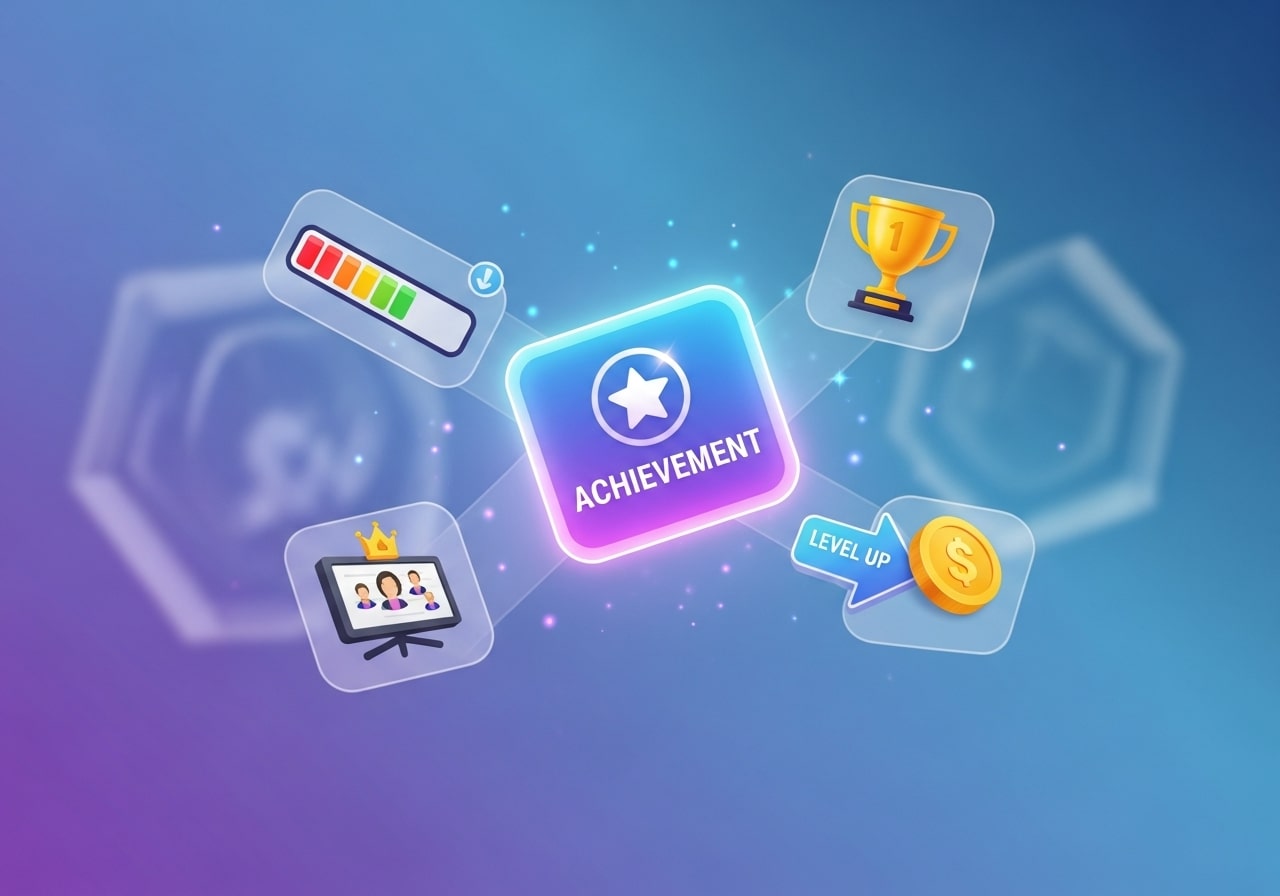
- Points and Scoring: Simple but powerful. Award points for key actions like daily logins, completing a tutorial, or sharing content.
- Badges and Achievements: Visual tokens of success; badges can celebrate milestones such as completing levels or hitting usage streaks.
- Leaderboards: Foster healthy competition by ranking users based on their points or achievements. Offer weekly and global leaderboards for variety.
- Progress Bars and Levels: Show users how close they are to the next reward tier, tapping into the Zeigarnik effect—the urge to complete unfinished tasks.
- Challenges and Quests: Structured tasks that guide user behavior and introduce new features, boosting feature discovery.
- Rewards and Incentives: Tangible benefits like discount codes, in-app currency, or premium features unlocked through gamified actions.
- Social Sharing: Encourage users to share achievements on social media to increase word-of-mouth and organic referrals.
Best Practices for Implementing Gamification
Implementing gamification requires more than slapping on points and badges. Follow these best practices to ensure meaningful, long-term engagement:
- Align with Business Goals: Define what behaviors you want to drive—daily active users, referrals, feature usage—and map gamification mechanics to those objectives.
- Keep It Simple: Avoid overwhelming users with too many mechanics at once. Start small and iterate based on user feedback and metrics.
- Balance Challenge and Skill: Apply the Flow Theory by matching challenges to user skill levels. Too easy and users get bored; too hard and they get frustrated.
- Personalize the Experience: Use data to tailor challenges, rewards, and communication, making each user’s journey unique.
- Encourage Social Interaction: Add collaborative quests or team-based challenges to foster community and viral loops.
- Test and Iterate: A/B test different mechanics, reward types, and designs. Use analytics to identify what resonates with your audience.
Personalized Gamification Strategies
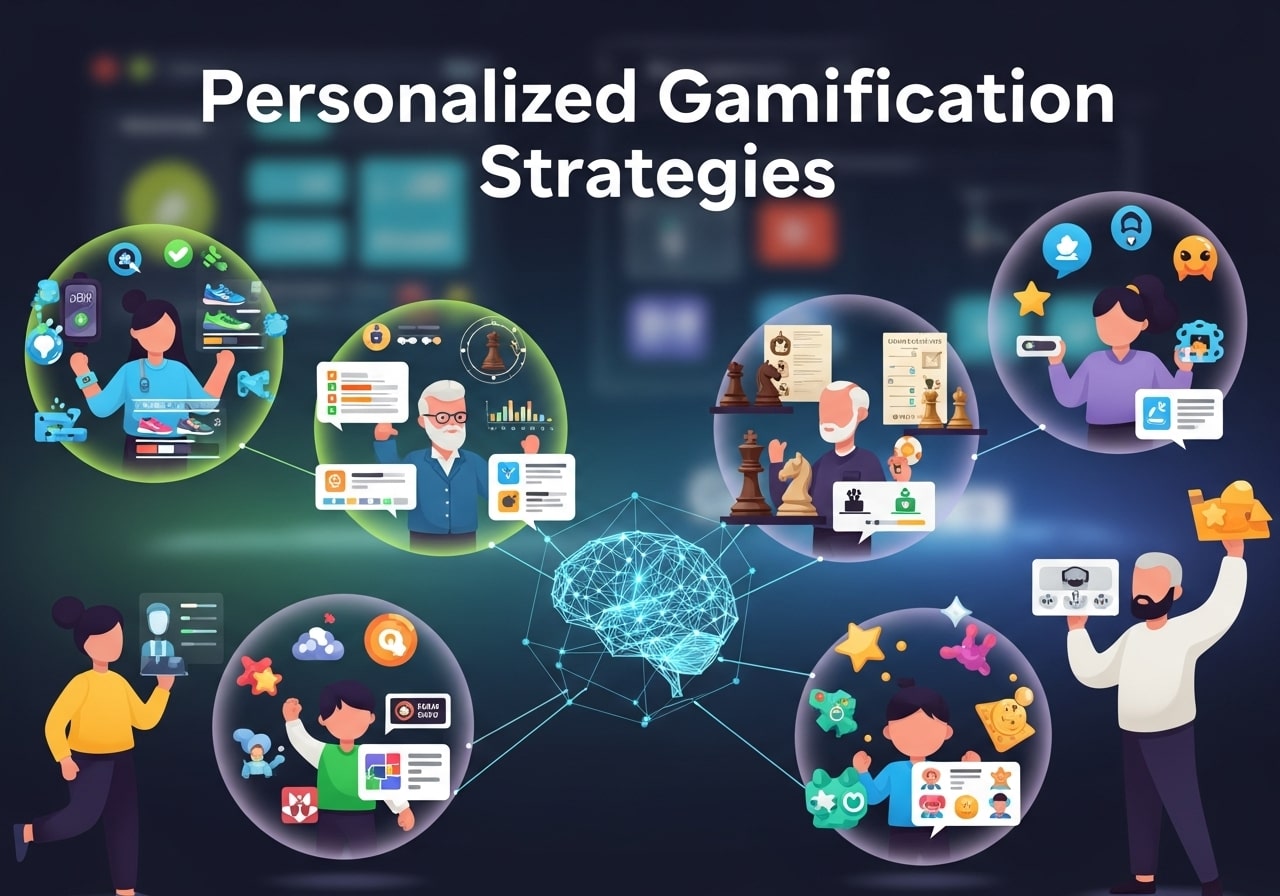
Not all users respond to the same game mechanics, making personalization a crucial aspect of effective gamification. By leveraging data on user behavior, preferences, and engagement patterns, app developers can tailor challenges, rewards, and content to individual needs. Personalized strategies ensure that users feel recognized and motivated, increasing the likelihood of sustained engagement. For instance, adaptive difficulty levels can keep novice users from feeling overwhelmed while still challenging power users to achieve more.
Emotional Engagement Through Storytelling
Gamification is most powerful when it taps into users’ emotions. By incorporating narratives, characters, or story arcs, apps can make routine interactions feel more meaningful. Users are more likely to remain engaged when they perceive their actions as part of a larger journey or mission. For example, fitness apps can frame workouts as part of a heroic quest, transforming mundane exercise routines into emotionally rewarding experiences that users want to continue.
Behavioral Psychology in Gamification
Understanding the psychological drivers behind human behaviour is key to successful gamification. Concepts such as positive reinforcement, the Zeigarnik effect, and intrinsic versus extrinsic motivation can guide the design of challenges and rewards. Apps that strategically employ these principles can encourage habit formation, prompt desired behaviours, and even help users achieve personal goals while interacting with the platform. By aligning game mechanics with natural human motivations, apps become more engaging and habit-forming.
Cross-Platform Gamification
Modern users often interact with a brand across multiple platforms, including mobile apps, websites, wearable devices, and social media. Cross-platform gamification ensures a consistent and integrated experience, allowing users to carry progress, achievements, and rewards seamlessly across devices. This approach not only strengthens engagement but also increases brand loyalty, as users feel that their participation is recognized and valued across the entire ecosystem.
Monetization Through Gamified Experiences
Gamification can also play a significant role in revenue generation without compromising user satisfaction. By integrating premium rewards, in-app purchases, and exclusive content into gamified systems, apps can incentivize spending in a way that feels natural and rewarding. Unlike traditional ads, gamified monetization encourages voluntary engagement, creating a sense of value exchange where users are willing to invest in experiences that enhance their journey or status within the app.
Sustainability and Long-Term Engagement
A common challenge in gamification is maintaining user interest over time. To ensure longevity, apps must continuously evolve their game mechanics, introduce new challenges, and refresh rewards to prevent stagnation. Seasonal events, time-limited challenges, and community competitions can inject novelty and excitement, encouraging users to return regularly. Long-term engagement strategies focus not only on initial attraction but also on fostering loyalty, creating a community, and making the app a habitual part of users’ routines.
Community Building and Peer Influence

Gamification becomes even more powerful when it fosters a sense of community among users. Social features such as collaborative challenges, team quests, or user-generated content allow individuals to interact, compete, and support each other. Peer influence can motivate users to engage more consistently, as they strive to match or surpass the achievements of friends or community members. Building a strong, interactive community around your app creates a sense of belonging, which strengthens user loyalty and encourages organic growth through referrals and social sharing.
Ethical Gamification and User Well-Being
While gamification can boost engagement and retention, it is crucial to design mechanics ethically to avoid negative impacts on users. Apps should prioritize mental well-being by avoiding manipulative tactics that exploit addictive tendencies or pressure users into excessive interaction. Transparent communication about data use, fair reward systems, and options for users to set limits or pause participation help maintain trust and responsibility. Ethical gamification ensures that engagement strategies benefit both the user and the app, fostering sustainable long-term relationships rather than short-term spikes in activity.
Real-World Case Studies
Duolingo: One of the pioneers in education app gamification, Duolingo uses streaks, XP points, and virtual currency to keep learners motivated daily. Its playful owl mascot and colourful UI make the learning journey feel like a game.
Starbucks: Starbucks transformed its loyalty program into a gamified experience. Customers earn “Stars” for each purchase, can level up to gold status, and access exclusive challenges to earn bonus Stars—driving both frequency and spend.
Nike Run Club: By integrating leaderboards, trophies, and monthly challenges, Nike motivates runners to log miles consistently and share their achievements, creating a vibrant community around its app.
Fitbit: Fitbit combines real-world steps with digital badges, challenges, and social leaderboards, encouraging users to compete with friends and stay active over long periods.
Measuring the Impact: KPIs & Tools
To justify your gamification investments, track the right Key Performance Indicators (KPIs):
- Retention Rate: The percentage of users who return over time (D1, D7, D30 retention).
- Session Length & Frequency: How long and how often users interact with your app.
- Daily Active Users (DAU) & Monthly Active Users (MAU): Core engagement metrics.
- Churn Rate: The rate at which users abandon the app.
- Lifetime Value (LTV): Total revenue generated per user over their lifecycle.
- Referral and Virality Metrics: Invite rates and new installs driven by existing users.
Popular analytics and gamification platforms to consider include Firebase Analytics, Mixpanel, Amplitude, and specialized solutions like GameRefinery and Badgeville.
Challenges and Pitfalls to Avoid
While gamification can be powerful, missteps can backfire. Avoid these common pitfalls:
- Over-Gamification: Too many game mechanics can overwhelm users and dilute focus.
- Poor UX Design: Confusing interfaces or unclear rules lead to frustration and abandonment.
- Irrelevant Rewards: If rewards don’t align with user motivations, they lose their appeal.
- Neglecting Core Value: Gamification should enhance—not replace—your app’s fundamental utility.
- Privacy and Ethics: Be transparent about data collection and ensure that challenges don’t exploit addictive behaviors unethically.
Future Trends in App Gamification
Looking ahead, several emerging trends will shape the next generation of gamified experiences:
- AR/VR Integration: Augmented and virtual reality open new immersive avenues for challenges and rewards.
- AI-Driven Personalization: Machine learning can dynamically adjust challenges, difficulty levels, and rewards based on individual user behavior.
- Blockchain & NFTs: Unique digital assets and tokenized rewards create scarcity and exclusivity, appealing to collectors.
- Social and Community-Driven Gameplay: Deeper collaboration features, shared quests, and user-generated content will strengthen app communities.
Conclusion
Gamification represents a proven strategy to enhance user engagement, boost retention, and ultimately increase your mobile app’s lifetime value. By thoughtfully integrating points, badges, challenges, and social features—and by continuously testing and iterating—you can create a captivating user journey that keeps people coming back. Start small, measure impact, and evolve your approach as you learn what resonates with your audience. With a well-executed gamification strategy, your app can stand out in a crowded market and turn casual users into loyal advocates.
Frequently Asked Questions (FAQ)
1. What is gamification in mobile apps?
Gamification refers to the integration of game-like elements, such as points, badges, leaderboards, and challenges, into non-game contexts like mobile apps. It aims to make user interactions more engaging, enjoyable, and rewarding, ultimately encouraging repeat usage and improving retention.
2. Why should mobile apps use gamification?
Gamification taps into core human motivations such as achievement, competition, and social interaction. For mobile apps, this means higher user engagement, improved retention rates, and increased lifetime value. It can also reduce acquisition costs, as keeping existing users active is often more cost-effective than constantly acquiring new ones.
3. What are the key gamification elements to include in an app?
Core elements include points and scoring systems to reward key actions, badges and achievements to celebrate milestones, leaderboards for competitive engagement, progress bars and levels to encourage completion, structured challenges or quests, rewards and incentives like in-app currency or discounts, and social sharing to amplify engagement through community interaction.
4. How can I implement gamification effectively?
Effective gamification requires aligning mechanics with business goals, keeping the experience simple, balancing challenges with user skill levels, personalizing the experience using data, encouraging social interaction, and continuously testing and iterating based on analytics. This ensures meaningful engagement rather than superficial or frustrating experiences.
5. How do I measure the success of gamification?
Gamification success can be tracked using KPIs such as retention rates, session length and frequency, daily and monthly active users, churn rate, lifetime value, and referral or virality metrics. Analytics platforms like Firebase, Mixpanel, Amplitude, and specialized gamification tools can provide detailed insights into user behavior and campaign performance.
6. What common mistakes should be avoided?
Common pitfalls include over-gamification, which can overwhelm users; poor UX design that confuses or frustrates; irrelevant rewards that fail to motivate; neglecting the app’s core value; and unethical or non-transparent data collection practices. Ensuring that gamification complements rather than replaces the app’s main functionality is essential.
7. What are the future trends in gamification?
Future trends include AR/VR integration for immersive challenges, AI-driven personalization for dynamically adjusting difficulty and rewards, blockchain and NFTs for unique and tokenized incentives, and social or community-driven gameplay that encourages collaboration, shared quests, and user-generated content. These trends aim to make gamified experiences more interactive, personalized, and rewarding.
8. Can gamification work for all types of apps?
While gamification is versatile, its effectiveness depends on the app’s purpose and audience. It works best in apps where user engagement, repeat actions, and community interaction are valuable, such as fitness, learning, loyalty, and productivity apps. For apps with one-time usage or minimal interaction, gamification may offer limited benefit.
Read more about this topic: The Ultimate App Marketing Playbook: Strategies to Skyrocket Your Mobile App Growth