
Mobile applications have become a part of our everyday lives, with billions of downloads annually. For businesses, a well-promoted mobile app is a gateway to user engagement, brand love, and business growth. If you’re planning mobile app marketing as part of your digital marketing, then you’re on the right path.
This e-guide condenses it all: from defining what mobile app marketing is and how to do it, to real-world tips and strategies for driving user acquisition, retention, and ROI.
What is Mobile App Marketing?
Mobile app marketing defines the process of promoting an application via appropriate channels, platforms, and methods with the aim of acquiring and retaining users. What it strives for is straightforward and yet so core—to create word-of-mouth, bring people together, drive downloads, and inspire habitual use.
But mobile app marketing is more than the acquisition of users; it’s also maintaining user interest in your app long after they’ve downloaded it. Awesome mobile app marketing addresses the whole customer life cycle from the moment a user gets to know your app through becoming a repeat evangelist. For more detailed insights, check out Mobile App Marketing Explained: A Beginner’s Guide.
Why is Mobile App Marketing Necessary?
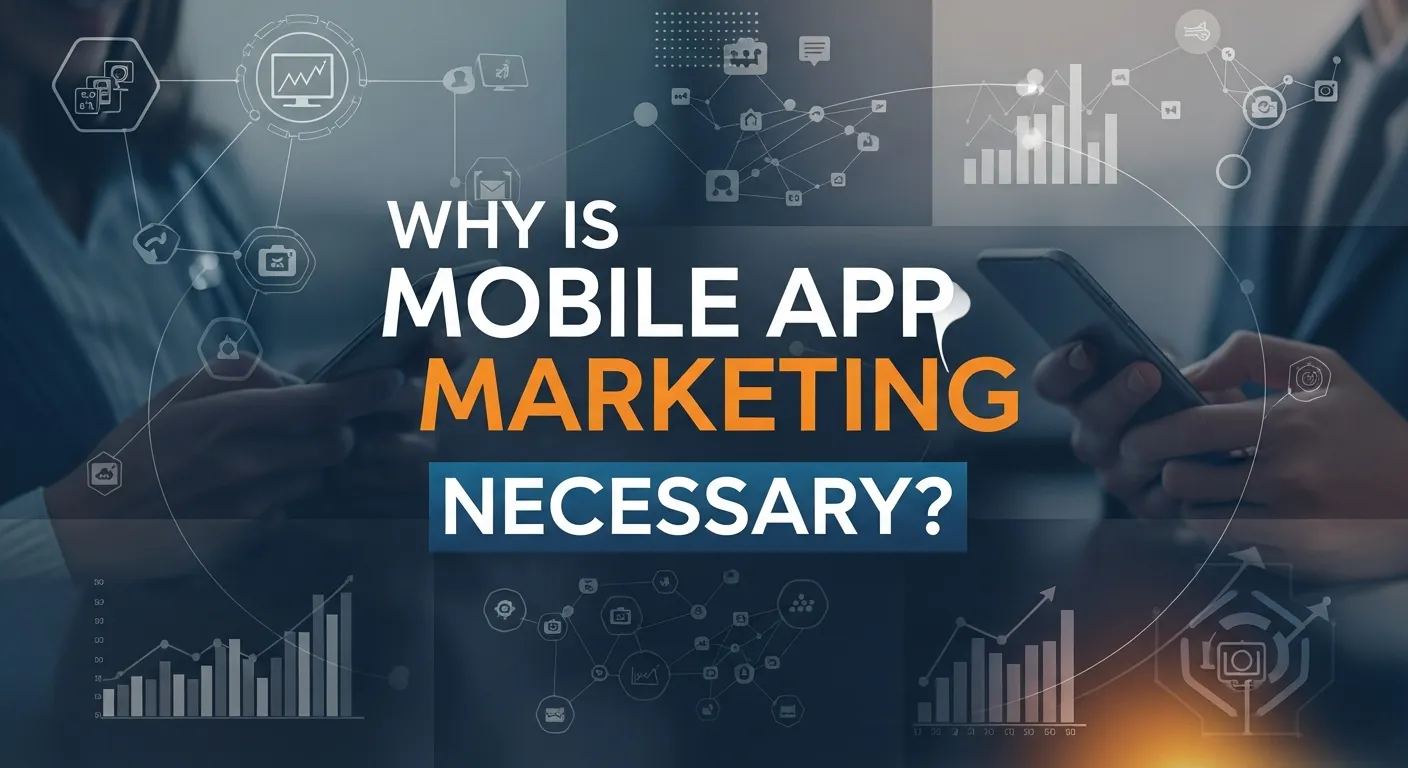
The apps’ universe is competitive. There are over 3 million apps in the Google Play Store and 2 million in the Apple App Store. Having an excellent app is not enough. If people do not know your app exists, you will fail. That’s where marketing comes in.
The following are the reasons why mobile app marketing must be a part of your digital strategy:
- Targeted Reach: Mobile advertising enables you to target specific people by demographics, geolocations, and behaviors.
- Higher Engagement Rates: Apps have an average engagement rate that’s up to 4x higher than mobile sites.
- Brand Awareness: Apps put your brand “top of mind” by living on people’s devices, with constant visibility.
The Three Phases of Mobile App Marketing
In order to effectively market a mobile app, you need to handle three stages. Each of them is very important in helping ensure long-term success.
1. Pre-launch Marketing
Even before your app is downloaded and ready, the foundation for its success has to be established. The pre-launch period plays a critical role in generating buzz and making the app resonate with the target users.
Key Strategies:
- Market Research
Understand and establish your target market. What advantage does your app have? Where are the weaknesses of existing competitor apps?
- Create a Landing Page
Construct a slim landing page that spoils what your mobile app is going to bring. Add features, value, and an obvious call-to-action (e.g., “Join the waitlist”).
- Use Social Media
Create hype by teasing mockups, brief demos, or countdowns on social media channels such as Instagram, LinkedIn, or TikTok.
- Beta Testing
Make use of beta testers to improve your app. Early adopters can send in useful feedback and assist in smoothing out bugs prior to launch.
2. Launch Marketing
The launch phase is the time when mobile app marketing concentrates on gaining new users and gathering momentum.
Key Strategies:
- App Store Optimization (ASO)
Optimizing your app store listing directly affects visibility. Note:
- A good app name and logo
- Friendly, pertinent keywords in your description
- Screenshots and video demos highlighting key app features
- A good app name and logo
- Paid Advertising
Advertise on paid social media and Google Ads to increase reach. For instance:
- Instagram Stories for attention-grabbing visuals
- TikTok for younger audiences
- YouTube pre-roll ads for video-focused campaigns
- Instagram Stories for attention-grabbing visuals
- Influencer Partnerships
Partner with influencers who can push your app to their audience, providing genuine word-of-mouth endorsements.
- PR and Media Outreach
Get listed in app review sites, tech blogs, or startup displays to make a buzz out of your launch.
3. Post-launch Marketing
You’re done! Your app’s live. But post-launch marketing is where you get momentum and induce user retention.
Key Strategies:
- Push Notifications
Send timely and helpful messages to keep users on board. Such as:
- “See today’s special offer!”
- “Remember your weekly fitness goal!”
- “See today’s special offer!”
- Email Marketing
Maintain the forefront of users’ minds through delivering tips, news, and feature releases through newsletters.
- Continued Content Marketing
Post blog entries, tutorial videos, or case studies that indicate advantages and use points of your app. Content would also be instrumental in generating your SEO traction.
- User Engagement Campaigns
Launch reward programs, surveys, or contests to offer a sense of community amongst your user population.
- Analytics and Feedback
Monitor what users do with your app using analytics platforms like Google Analytics for Firebase. Utilize user feedback to streamline and make the app experience better.
Top Mobile App Marketing Platforms
Knowing where and how to market your app is half the battle won. These are some platforms to consider:
- Google Ads
Target users by interest and behavior through rich media ads.
- Facebook Ads
Best for precise audience targeting and engaging images.
- TikTok Ads
Perfect for apps targeting younger audiences, leveraging short, trending content.
- Apple Search Ads
Increase app visibility on the iOS App Store itself.
- Instagram
With engaging Stories and Carousel Ads, Instagram reaches users where they spend most of their time.
- YouTube Ads
Drive video content on your app to mass audiences with efficiency.
Trends in Mobile App Marketing to Watch
Mobile app marketing is rapidly evolving. Stay ahead by keeping an eye out for these new trends emerging:
- Voice Search Optimization
With the rise of voice assistants like Alexa and Siri, it can drive discovery by voice-optimizing your app for voice search queries.
- AI-Driven Personalization
Apps incorporating personalized recommendations or notifications return consumers for more.
- Gamification
Including gamified elements of your app advertising campaigns, such as rewards or challenges, has been found to entice.
- Influencer Collaborations
Micro-influencers are especially effective at reaching niches and building authenticity in your campaigns.
- Augmented Reality (AR)
AR-enhanced ads and features (virtual try-ons, for instance) grab user attention while emphasizing your app’s innovativeness.
Take Your Mobile App Marketing to the Next Level
Mobile app marketing is not a one-time thing; it’s a dynamic, ongoing process that’s all about experimentation and growth. Spending time and effort on effective methods at each step of the customer lifecycle will make your app competitive in the long run.
Are you ready to take your mobile app’s success to the next level? Start by implementing the strategies described here, and watch your downloads and activity grow. Remember that the right marketing strategy can make your app go from great to greater.
The Growing Importance of Mobile Apps in Education
The education mobile apps market has seen unprecedented growth in recent years, driven by the increasing demand for flexible learning solutions. Students and educators alike are turning to apps that provide interactive lessons, video tutorials, and instant feedback mechanisms. Mobile apps are revolutionizing education by making learning more accessible, personalized, and engaging than ever before. Schools and universities are integrating these apps into their curricula, recognizing that traditional classrooms alone cannot meet the expectations of modern learners. Beyond convenience, these apps allow institutions to gather meaningful insights into student performance, enabling a more data-driven approach to teaching. As a result, the education mobile apps market continues to expand, offering innovative ways to enhance learning outcomes while fostering collaboration between students and teachers.
Enterprise Mobile Apps Market: Driving Productivity and Engagement
Businesses are increasingly leveraging enterprise mobile apps to streamline operations, improve communication, and increase employee engagement. The enterprise mobile apps market is thriving because organizations recognize that mobile solutions can simplify workflows, facilitate remote work, and provide real-time insights into business processes. Mobile apps are revolutionizing enterprise operations by offering secure platforms for employees to access internal tools, share knowledge, and collaborate seamlessly across departments. Companies deploying enterprise apps report improved efficiency, better resource management, and heightened productivity, as employees can complete tasks anytime and anywhere. Furthermore, these apps serve as strategic instruments for organizations to measure performance, enhance training, and support decision-making processes through analytics and reporting functionalities.
How Global Mobile Medical Apps Are Transforming Healthcare
The global mobile medical apps market is reshaping healthcare delivery by enabling patients, doctors, and healthcare providers to interact more effectively. Mobile apps are revolutionizing medical care by offering services such as appointment scheduling, telemedicine consultations, symptom tracking, and personalized health recommendations. Patients can monitor chronic conditions, receive medication reminders, and access educational content, while doctors gain real-time insights into patient behavior and treatment adherence. This interconnected ecosystem enhances patient engagement, reduces hospital visits, and supports preventive healthcare strategies. As more healthcare organizations recognize the benefits, the global mobile medical apps market continues to expand, offering opportunities for innovation and improved patient outcomes worldwide. These apps are no longer just tools—they are essential components of modern healthcare delivery.
Mobile App Marketing as a Catalyst for Business Growth
Marketing mobile apps effectively is no longer optional; it is a crucial driver of business growth across industries. Mobile apps are revolutionizing the way companies connect with customers, providing a direct channel to engage users, offer promotions, and collect valuable feedback. In sectors ranging from retail to healthcare to education, businesses that invest in app marketing strategies see measurable improvements in customer acquisition, retention, and brand loyalty. By leveraging advanced analytics, personalized messaging, and multi-channel campaigns, companies can tailor experiences that resonate with their target audiences. A well-executed mobile app marketing plan not only boosts downloads but also fosters long-term engagement, ensuring that apps remain a vital part of a company’s digital ecosystem.
The Future of Mobile Apps and Their Market Potential
The potential of mobile apps to transform industries is limitless. Mobile apps are revolutionizing how people learn, work, and access services globally. As technology advances, the education mobile apps market, enterprise mobile apps market, and global mobile medical apps market are poised for further expansion. Integration with AI, AR, and IoT technologies will enhance app functionality, allowing for smarter, more personalized experiences. Businesses and educational institutions alike are recognizing that mobile apps are not just tools but strategic assets that can drive engagement, revenue, and innovation. Looking ahead, organizations that prioritize mobile app development and marketing will be at the forefront of this revolution, shaping the future of how users interact with digital platforms and services across every sector.
Leveraging Mobile App Marketing for Global Reach
Mobile apps are revolutionizing the way users interact with businesses across the globe. For companies seeking international expansion, Mobile App Marketing allows targeting users in different countries, languages, and cultures. By tailoring campaigns to local preferences, brands can increase downloads, engagement, and retention significantly.
Key Strategies:
- Localized Content: Translate app content and marketing materials for target regions.
- Regional Advertising: Use geotargeting on social media, Google Ads, and Apple Search Ads.
- Cultural Relevance: Adjust messaging, visuals, and promotions to reflect local traditions and norms.
- Time Zone Optimization: Schedule notifications and emails to maximize engagement in local time zones.
| Strategy | Purpose | Example Approach |
|---|---|---|
| Localized Content | Improve global downloads | Translate app description, UI, and tutorials |
| Regional Advertising | Target audience by location | Use geotargeted ads on Facebook and Google |
| Cultural Relevance | Increase engagement | Local holidays or popular themes in campaigns |
| Time Zone Optimization | Enhance retention | Send push notifications at optimal user activity times |
Mobile App Marketing Tools and Best Practices
Mobile App Marketing tools streamline campaigns, enhance analytics, and enable automation for better user acquisition and retention. Selecting the right tools is critical to measuring results effectively and driving growth.
Key Tools:
- App Analytics Platforms: Track user behavior, retention, and engagement metrics.
- Push Notification Software: Automate personalized messages based on user activity.
- CRM Integration: Manage user data and segment audiences for targeted campaigns.
- A/B Testing Tools: Experiment with messaging, visuals, and campaigns to improve performance.
| Tool Type | Function | Best Practice Example |
|---|---|---|
| Analytics Platform | Track KPIs and user behavior | Use Firebase Analytics to monitor downloads and retention |
| Push Notification Software | Automate engagement | Send personalized reminders or updates |
| CRM Integration | Segment users and manage campaigns | Use HubSpot or Salesforce for targeting enterprise apps |
| A/B Testing Tools | Optimize campaigns for higher ROI | Test different ad creatives or push messages |
By adopting the right Mobile App Marketing tools, businesses can automate workflows, analyze user engagement, optimize campaigns, and ensure sustainable growth across education, enterprise, and global mobile medical apps markets.
Frequently Asked Questions (FAQs)
1. What is Mobile App Marketing?
Mobile App Marketing is the process of promoting apps to acquire users, increase engagement, improve retention, and maximize ROI across platforms using targeted strategies.
2. Why is Mobile App Marketing important for businesses?
It helps apps gain visibility in competitive app stores, reach the right audience, retain users, and improve revenue through data-driven campaigns and trends.
3. How do education mobile apps benefit from marketing?
Marketing education mobile apps enhances visibility among students and educators, encourages downloads, and builds engagement by highlighting unique learning features and benefits.
4. Can enterprise mobile apps market effectively to employees or clients?
Yes, enterprise mobile apps market internally or externally to improve adoption, track usage analytics, and ensure seamless engagement across organizational workflows.
5. What platforms are best for Mobile App Marketing?
Top platforms include Google Ads, Facebook Ads, TikTok Ads, Apple Search Ads, Instagram, and YouTube, depending on audience and campaign goals.
6. How do global mobile medical apps grow with marketing?
They increase user awareness, encourage downloads among healthcare professionals and patients, and drive retention with personalized notifications, content marketing, and user engagement campaigns.
7. What role does user engagement play in app success?
Mobile apps are revolutionizing engagement; consistent updates, push notifications, and loyalty programs retain users, boost lifetime value, and ensure repeat usage.
8. How can analytics improve marketing campaigns?
Analytics help track downloads, retention, engagement, referral performance, and user behavior to refine campaigns, optimize ROI, and improve Mobile App Marketing strategies.
9. What emerging trends should app marketers follow?
Trends include AI-driven personalization, voice search optimization, influencer collaborations, gamification, AR-enhanced ads, and multi-channel engagement for higher app adoption.
10. Should app marketing strategies be updated regularly?
Yes, continuous monitoring of metrics, adopting new tools, and following mobile app marketing trends ensures sustainable growth, higher engagement, and improved ROI.