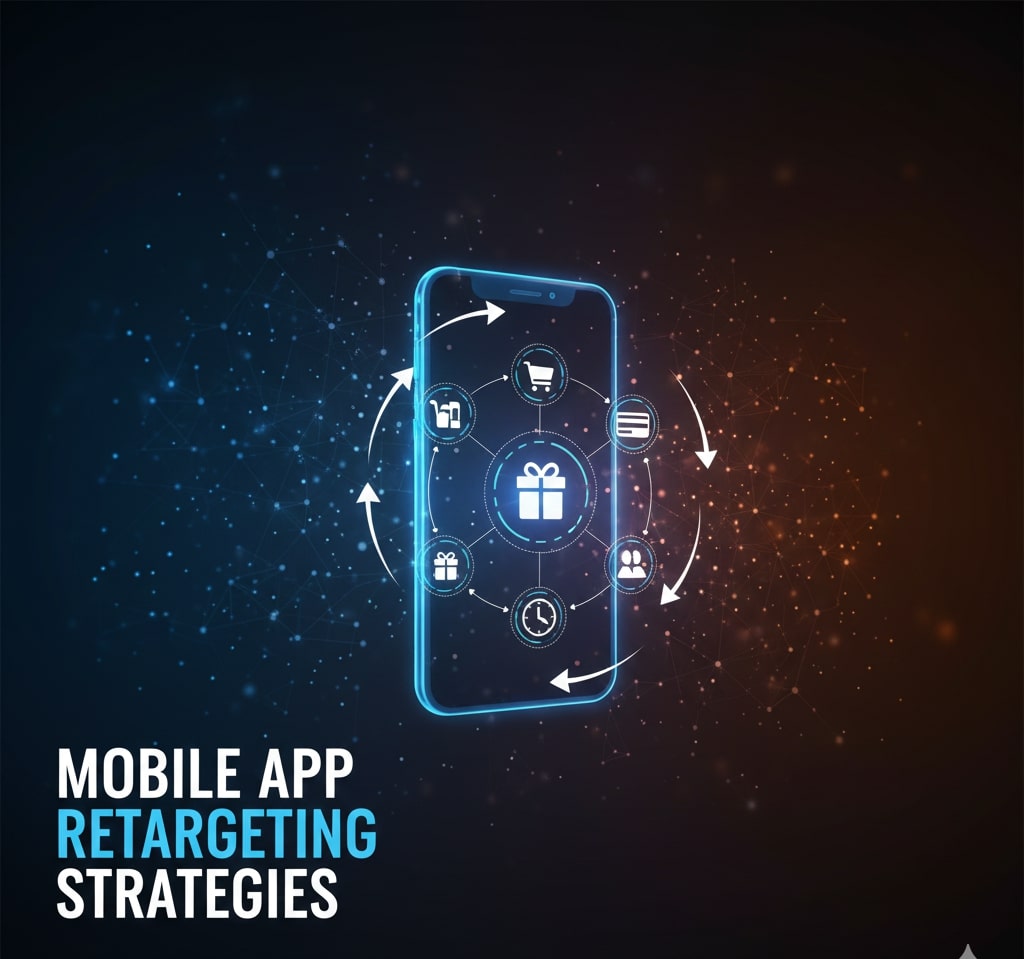
Mobile app retargeting is a powerful strategy to reconnect with inactive users, boost engagement, and maximize revenue without relying solely on costly new user acquisition. By segmenting users based on behavior, lifecycle stage, or purchase history, marketers can deliver personalized messages through channels like push notifications, in-app messages, email, social media, and SMS.
In the competitive world of mobile app marketing, acquiring new users is only half the battle. Retaining and re-engaging users who have lapsed is equally crucial to driving long-term growth and maximizing return on investment. Mobile app retargeting enables marketers to reconnect with inactive users through personalized messages, timely reminders, and tailored offers. In this comprehensive guide, we explore why retargeting matters, how to build effective campaigns, best practices for messaging and timing, and how to measure success to keep your app thriving.
Why Mobile App Retargeting Matters
User acquisition costs continue to rise, making it vital to extend the lifetime value of every install. Mobile app retargeting focuses on users who have already expressed interest in your app but haven’t performed key actions—such as making a purchase, completing onboarding, or returning after initial use. By investing in retargeting campaigns, you can:
- Recover lost revenue from dormant users
- Improve engagement rates and in-app activity
- Reduce churn and extend customer lifetime value (LTV)
- Optimize marketing spend with higher conversion efficiency
Understanding User Segments
Effective retargeting starts with segmentation. Group inactive users based on behavior, demographics, or purchase history to deliver relevant messages. Common segments include:
- New Installs Without Action: Users who downloaded but did not complete onboarding or tutorial steps.
- Abandoned Carts or Funnels: Users who added items or started a process but did not finish checkout or form submission.
- Inactive Power Users: Previously engaged users who have not opened the app for a set period.
- Lapsed Subscribers: Users whose subscription or trial period has expired.
Use your analytics platform or mobile marketing automation tool to define and track these segments. The more granular your audience, the more tailored—and effective—your campaigns will be.
Choosing the Right Retargeting Channels
Retargeting campaigns can leverage multiple channels to reconnect with users wherever they are. Consider the following options:
- Push Notifications: In-app messages that appear on users’ home screens. Best for timely alerts, personalized offers, and quick calls to action.
- In-App Messages: Banners or pop-ups displayed within the app when users return, reminding them of unfinished tasks or special promotions.
- Email Retargeting: For users who have consented to email communication, send newsletters, re-engagement drip campaigns, and exclusive deals.
- Social Media and Programmatic Ads: Leverage platforms like Facebook, Instagram, and Google to retarget users with display and video ads based on their app behavior.
- SMS Campaigns: Use text messages to deliver limited-time offers and reminders. Ensure compliance with local regulations and user opt-in status.
Crafting Personalized Messaging
Personalization is the driving force behind successful retargeting. Use dynamic content and user data to speak directly to each segment’s needs and preferences. Tips for crafting effective messages:
- Use the User’s Name: Addressing users by name boosts open rates and feels more personal.
- Reference Past Behavior: Remind them of the exact item left in their cart or the level they reached in your app.
- Offer Incentives: Limited-time discounts, bonus content, or free trials can motivate return visits.
- Create Urgency: Use countdown timers or phrases like “Offer ends in 24 hours” to encourage prompt action.
- Keep It Concise: Respect users’ time with clear and direct calls to action.
The Psychology Behind Retargeting
Understanding the psychological triggers that motivate users to return to an app can significantly enhance retargeting campaigns. Users often abandon apps or workflows due to distraction, lack of motivation, or unclear value propositions. Retargeting works because it taps into cognitive biases like loss aversion—the fear of missing out on a deal or progress—and the Zeigarnik effect, where people remember unfinished tasks more than completed ones. By reminding users of what they started and offering a clear path to completion, marketers can reignite interest and foster a sense of accomplishment. Crafting messages that resonate emotionally, highlight benefits, and reduce friction for completing an action creates a more compelling reason for users to re-engage.
Lifecycle-Based Retargeting Strategies
Retargeting strategies should evolve alongside the user’s journey within the app. Early-stage users may require educational nudges or tutorials to help them understand the app’s core value, while mid-stage users might respond better to reminders about unfinished tasks or incentives for repeat engagement. Advanced or loyal users can be encouraged to explore premium features, share the app with friends, or participate in community events. By aligning retargeting messages with the user lifecycle, marketers can provide relevant, timely, and personalized experiences that feel natural rather than intrusive. Lifecycle-based strategies also allow marketers to anticipate churn risks and proactively address them before users disengage completely.
Retargeting for Cross-Selling and Upselling
Retargeting isn’t just about getting inactive users back; it’s also an opportunity to increase revenue through cross-selling and upselling. By analyzing user behavior and purchase history, marketers can present complementary products, upgraded features, or premium subscriptions in a highly personalized way. For instance, a user who frequently logs workouts in a fitness app could be offered advanced training plans or nutrition guides, while a shopper who abandons items in a fashion app might receive curated outfit suggestions. Cross-selling and upselling campaigns work best when they appear contextual and add genuine value, rather than feeling like generic sales pushes. This approach strengthens user loyalty and maximizes the monetization potential of existing users.
Advanced Retargeting with AI and Automation
Artificial intelligence and automation have transformed mobile app retargeting by enabling predictive and dynamic campaigns. AI algorithms can analyze vast amounts of user data to predict churn, identify high-value users, and determine the optimal timing and content for each message. Automation ensures that users receive these personalized messages in real time, across multiple channels, without requiring manual intervention. For example, machine learning can automatically trigger a push notification when a user abandons a cart or hasn’t opened the app for a specific period, using messaging that is tailored to their behavior and preferences. Leveraging AI not only saves time for marketers but also improves campaign precision, driving higher engagement and conversion rates.
Legal and Privacy Considerations in Retargeting
As retargeting relies on user data, adhering to privacy regulations and respecting user consent is essential. Laws like GDPR in Europe, CCPA in California, and other global frameworks require explicit permission for collecting and using personal information, including for app notifications and email campaigns. Failure to comply can lead to fines, loss of user trust, and negative brand perception. Marketers should ensure clear opt-in flows, transparent privacy policies, and options for users to manage communication preferences. Ethical retargeting not only avoids legal risks but also builds credibility with users, creating a stronger foundation for long-term engagement and retention.
Timing and Frequency Best Practices
Finding the sweet spot for when and how often to retarget users can make or break a campaign. Follow these guidelines:
- Set Cooling Periods: Avoid bombarding users. Wait at least 24 to 48 hours before sending the first retargeting message.
- Limit Overall Frequency: Cap messages to three to five touches per user within a two-week window to prevent annoyance.
- Adjust by Segment: High-value users may tolerate more frequent outreach than new trial users.
- Sync Channels Carefully: Coordinate push, email, and SMS to ensure consistent messaging without overlap.
Measuring Campaign Success
To understand the impact of your retargeting efforts, track key performance indicators (KPIs) aligned with your goals. Essential metrics include:
- Re-engagement Rate: Percentage of inactive users who respond to retargeting messages by opening or clicking.
- Conversion Rate: Users who complete a desired action, such as a purchase or subscription upgrade.
- Cost per Re-engaged User (CPRU): Total spend divided by the number of re-engaged users, showing campaign efficiency.
- Retention Lift: Increase in user retention rate over a defined period compared to a control group.
- Lifetime Value (LTV) Impact: Incremental revenue generated by users brought back via retargeting.
Case Study: Boosting Conversions by 35 Percent
A leading fitness app implemented a multi-channel retargeting campaign for users who had not logged a workout in seven days. By segmenting users into trial and paid tiers and using personalized push notifications combined with email reminders, they achieved:
- 35 percent increase in weekly active users
- 20 percent uplift in subscription renewals
- 15 percent reduction in churn
Key takeaways included the power of timely nudges and offering tier-specific incentives to re-ignite user interest.
Top Tools and Platforms for Retargeting
Several mobile marketing automation platforms simplify retargeting setup and measurement. Consider tools like:
- Braze: Advanced segmentation, multi-channel messaging, and analytics
- Leanplum: Experimentation, personalization, and orchestration across channels
- OneSignal: Push notifications with in-app messaging and A/B testing
- Firebase Cloud Messaging: Free push notification service with basic segmentation
- Adjust or AppsFlyer: Attribution platforms that integrate retargeting analytics and ad networks
Conclusion
Mobile app retargeting is a cost-effective way to recapture lost users, drive meaningful engagement, and boost conversions. By defining precise user segments, choosing the right channels, crafting personalized messages, and optimizing timing, marketers can maximize the ROI of retargeting campaigns. Continual testing, measurement, and refinement will ensure your strategies evolve with user behavior and market trends. Start planning your first retargeting initiative today to reclaim lapsed users and accelerate app growth.
Ready to re-engage your users? Implement these retargeting strategies and watch your mobile app’s performance soar.
FAQ: Mobile App Retargeting
1. What is mobile app retargeting?
Mobile app retargeting is a marketing strategy that focuses on reconnecting with users who have installed your app but have become inactive or haven’t completed important actions, such as making a purchase or finishing onboarding. Its main goal is to boost engagement, retention, and revenue from existing users.
2. Why is retargeting important for mobile apps?
Retargeting is important because acquiring new users can be expensive, and it is often more cost-effective to engage users who already have an interest in your app. Retargeting helps recover lost revenue, increase in-app activity, reduce churn, and maximize the lifetime value of each user.
3. How do I segment users for retargeting campaigns?
Users should be segmented based on behavior, activity, or demographics. Common segments include users who downloaded the app but did not complete onboarding, users who abandoned a cart or workflow, previously engaged users who have become inactive, and subscribers whose trial or subscription period has expired.
4. Which channels are most effective for retargeting?
Effective retargeting channels include push notifications, in-app messages, email campaigns, social media and programmatic ads, and SMS messages, provided the user has opted in for text communication.
5. How do I personalize retargeting messages?
Personalization is key for successful retargeting. Marketers should use the user’s name, reference their past behavior such as items left in a cart or levels completed in the app, offer incentives like discounts or free trials, create urgency with limited-time offers, and ensure messages are clear and concise with direct calls to action.
6. How often should I retarget users?
It is recommended to wait at least 24 to 48 hours before sending the first retargeting message. Overall, messages should be limited to three to five touches per user within a two-week period, with frequency adjusted based on user segment and value. Messages across channels should be coordinated to maintain consistency and avoid overwhelming users.
7. How do I measure the success of retargeting campaigns?
The success of retargeting campaigns can be measured using key performance indicators such as the re-engagement rate, conversion rate, cost per re-engaged user, retention lift, and the impact on the lifetime value of the users who return through retargeting efforts.
8. What are some recommended tools for retargeting?
Recommended tools include Braze for advanced segmentation and multi-channel messaging, Leanplum for personalization and campaign orchestration, OneSignal for push notifications and A/B testing, Firebase Cloud Messaging for free push notifications, and Adjust or AppsFlyer for attribution and retargeting analytics.
9. How soon can I expect results from retargeting campaigns?
Results vary depending on the app and user base, but improvements in user engagement can typically be seen within a few days, while increased revenue and retention may take several weeks of testing, optimization, and ongoing refinement.
10. Can retargeting annoy users, and how can this be avoided?
Yes, sending excessive or irrelevant messages can irritate users. To avoid this, marketers should limit the frequency of messages, ensure content is relevant and personalized, and respect user preferences for push notifications, emails, and SMS communications.
Read more about this topic: How to Do App Marketing: A Beginner’s Guide to Success