
AI Personalization in Mobile App Marketing: Boost Engagement & Growth
 12 min read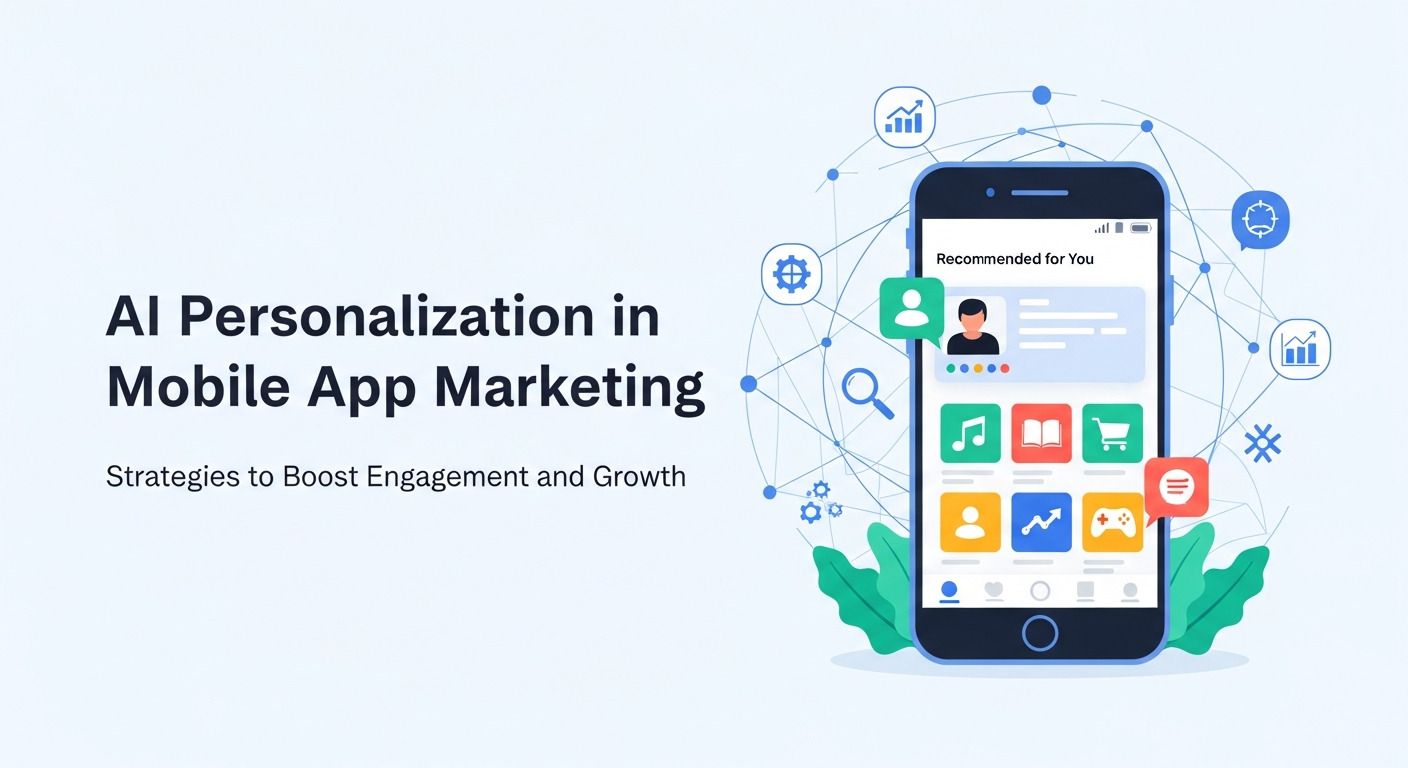
AI-powered personalization helps mobile apps retain users by delivering relevant content, predictive notifications, tailored onboarding, and smart recommendations. By analyzing user behavior in real time, AI improves engagement, boosts conversions, and increases revenue while reducing churn. Apps that leverage intelligent personalization create stronger user experiences, build loyalty, and achieve sustainable growth in an increasingly competitive mobile marketplace.
AI Personalization In today’s fiercely competitive app ecosystem, simply acquiring users is no longer enough. Retaining them, encouraging repeat usage, and building lasting loyalty are the hallmarks of a successful mobile app marketing strategy. Enter AI-powered personalization: the ability to tailor every in-app experience, push notification, and content suggestion to individual user preferences and behaviors. This blog post explores why personalization matters, how artificial intelligence unlocks advanced targeting, and exactly how you can implement AI-driven personalization to drive engagement and sustainable growth for your mobile app
Why Personalization Matters in Mobile App Marketing
Generic communications and one-size-fits-all user experiences no longer cut it. According to recent industry research, 80% of users are more likely to engage with an app that offers personalized suggestions and notifications. Here’s why personalization has become a cornerstone of effective mobile app marketing:
- Improved Engagement: Personalized content drives click-through rates on push notifications that are up to 4 times higher than non-personalized blasts.
- Higher Retention: Users who receive relevant, timely recommendations are 50% more likely to return within the first week of install.
- Increased Monetization: Tailored offers and dynamic pricing can boost in-app purchases by 20–30%.
- Brand Advocacy: Satisfied users share apps they love—personalized experiences turn customers into evangelists.
How AI Enables Advanced Personalization
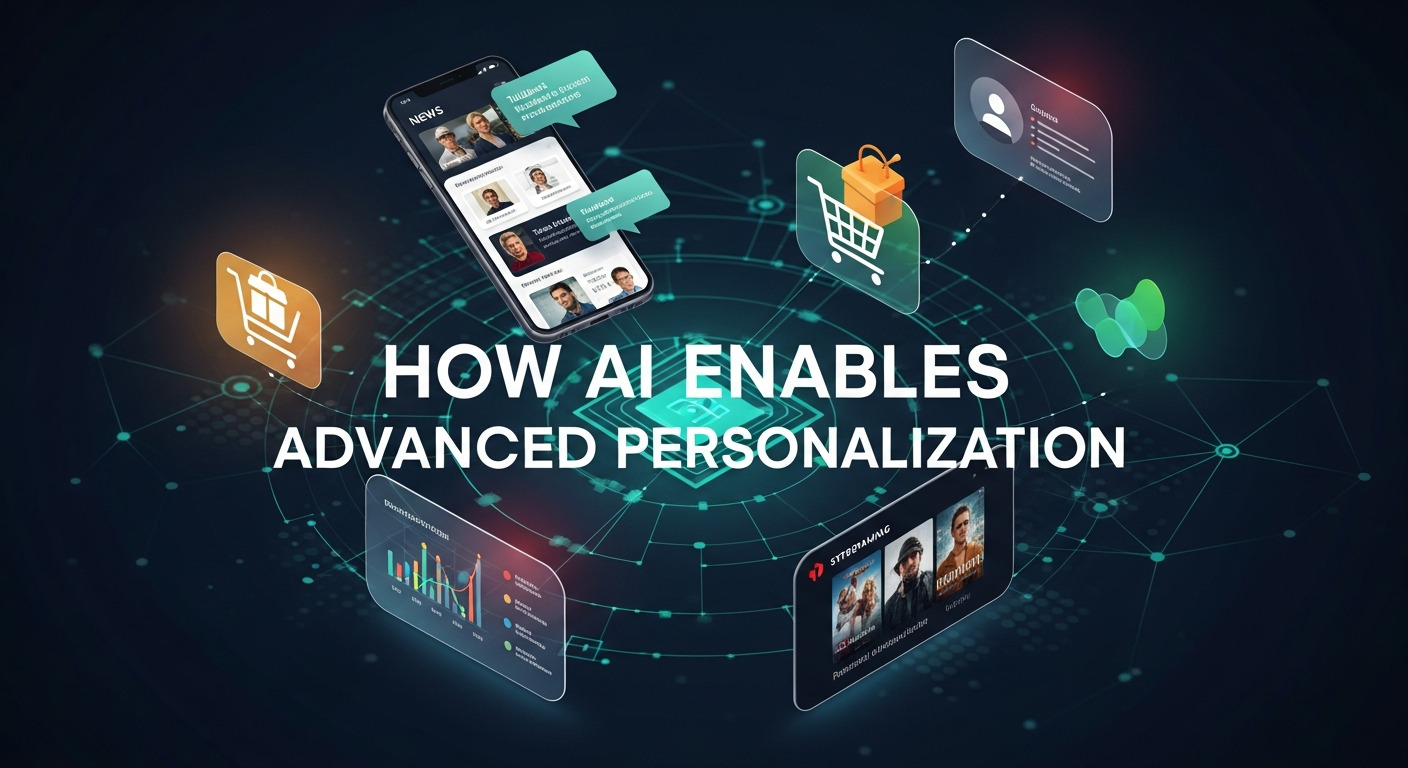
The days of simple rule-based segmentation (e.g., based on location or demographics) are giving way to machine learning models that understand user intent, predict future behavior, and optimize messaging in real time. Key AI technologies fueling this shift include:
- Predictive Analytics: Algorithms anticipate which features, content, or products individual users will engage with next.
- Natural Language Processing (NLP): In-app chatbots and messaging can interpret user queries and deliver personalized responses instantly.
- Recommendation Engines: Collaborative filtering and deep learning models suggest content, products, or actions that resonate with each user’s unique profile.
Real-Time Decisioning: AI platforms evaluate hundreds of data points in milliseconds to determine the optimal message, channel, and timing for each user interaction.
Understanding AI-Powered Personalization
AI personalization goes beyond simple segmentation. Traditional personalization relies on static rules like age, location, or language. AI, however, analyzes patterns across thousands of micro-behaviors — taps, time spent, browsing flow, purchase intent, inactivity signals — and learns continuously. Machine learning models cluster users dynamically and adjust in real time. This allows apps to tailor content, layouts, product suggestions, messaging tone, and timing uniquely for each individual. The result is an experience that feels intuitive rather than promotional. AI doesn’t just react to what users did; it predicts what they’re likely to do next. For marketers, this means automated targeting at scale without manual guesswork. For users, it means seeing what matters most every time they open the app. In short, AI personalization transforms apps from static tools into adaptive experiences that evolve with user behavior.
Data: The Foundation of Personalization
Personalization is only as powerful as the data behind it. Mobile apps generate rich first-party data — session frequency, navigation paths, feature usage, purchases, dwell time, and drop-off points. AI systems rely on this behavioral stream to build accurate user profiles. Centralizing this data in a unified environment allows algorithms to detect patterns and predict future actions. Without structured, real-time data pipelines, even the best AI tools will underperform. Marketers should track granular events rather than just high-level metrics. The more signals the model receives, the smarter and more precise personalization becomes. Clean data also improves targeting efficiency and reduces wasted notifications. Apps that treat data as an asset — not just analytics — gain a significant competitive edge. Strong data infrastructure is the backbone that enables AI to deliver meaningful, scalable personalization.
AI Recommendation Engines in Action
Recommendation engines are the heart of personalized app experiences. These AI systems analyze user behavior and compare it with similar user patterns to suggest relevant products, content, or actions. Collaborative filtering and deep learning models predict preferences even before users explicitly search. For example, a shopping app can reorder product displays based on browsing habits, while a learning app can suggest courses aligned with progress. Personalized recommendations shorten decision time, increase satisfaction, and drive repeat usage. They also boost monetization by surfacing high-probability conversion opportunities. Unlike manual curation, AI recommendations adapt continuously. The more users interact, the smarter suggestions become. This creates a self-improving engagement loop that keeps users returning. Recommendation engines are one of the most impactful AI tools for increasing app stickiness and revenue.
Key Personalization Strategies for Mobile App Marketing
1. Dynamic Content Recommendations
Embed AI-driven recommendation widgets within your app’s home screen, product listings, and content feeds. These widgets learn from each user’s browsing history, in-app behavior, and purchase patterns, ensuring that the content or products displayed feel hand-picked for them.
2. Predictive Push Notifications
Gone are the days of broadcasting the same notification to your entire user base. With predictive analytics, you can send individualized push messages at the precise moment each user is most likely to engage—whether it’s a flash discount, a content update, or a reminder to complete an onboarding step.
3. In-App AI Chatbots
Implement conversational chatbots powered by NLP to handle support queries, guide users through features, and offer personalized upsell opportunities. An AI chatbot can analyze past interactions to recommend relevant content or products in a natural, conversational manner.
4. Personalized Onboarding Flows
Use AI to customize onboarding screens based on the user’s source (ad campaign, referral, organic search) and declared preferences. Tailoring the first 5–10 minutes of app usage significantly reduces drop-off rates and encourages deeper exploration of core features.
Implementing AI-Powered Personalization: A Step-by-Step Guide
Ready to harness the power of AI personalization? Follow this structured approach to integrate advanced targeting into your mobile app marketing strategy:
Define Clear Goals
Start by identifying key performance indicators (KPIs) you want to improve: user retention rate, average session duration, in-app revenue, or engagement with core features. Clear objectives will guide your AI tool selection and experimentation roadmap.
Collect and Centralize Data
Consolidate data from all touchpoints—app analytics, CRM, ad platforms, and customer support—into a unified data warehouse. Ensure you’re capturing events like screen views, button taps, purchases, and churn signals in real time.
Choose the Right AI Platform
Evaluate AI personalization engines and marketing clouds that offer pre-built machine learning models, plug-and-play Software development kit (SDKs), and robust API support. Look for solutions that can scale with your user base and provide clear onboarding guides for developers and marketers.
Design Personalized Experiences
Map out user journeys and identify personalization points: home screen modules, push notification triggers, in-app messages, email sequences, and chatbot dialogues. For each point, define the dynamic variables (e.g., product cards, discount levels, content topics) and the AI inputs that will inform them.
Test, Measure, and Optimize
Adopt an agile experimentation culture. Run A/B tests to compare AI-driven personalization against control groups. Monitor uplift in KPIs, review qualitative feedback, and iterate on your models. Continuous optimization ensures your personalization strategies stay ahead of changing user behaviors.
Measuring Success: Metrics and KPIs
Tracking the right metrics is crucial to gauge the impact of personalization initiatives. Key indicators include:
- Personalization Engagement Rate: Percentage of users interacting with personalized modules or recommendations.
- Retention Lift: Change in 7-day and 30-day retention compared to pre-personalization benchmarks.
- Conversion Rate: Uptick in in-app purchases or subscription upgrades originating from personalized messages.
- Average Revenue per User (ARPU): Impact of targeted offers on user lifetime value.
Conversational AI and Chatbots
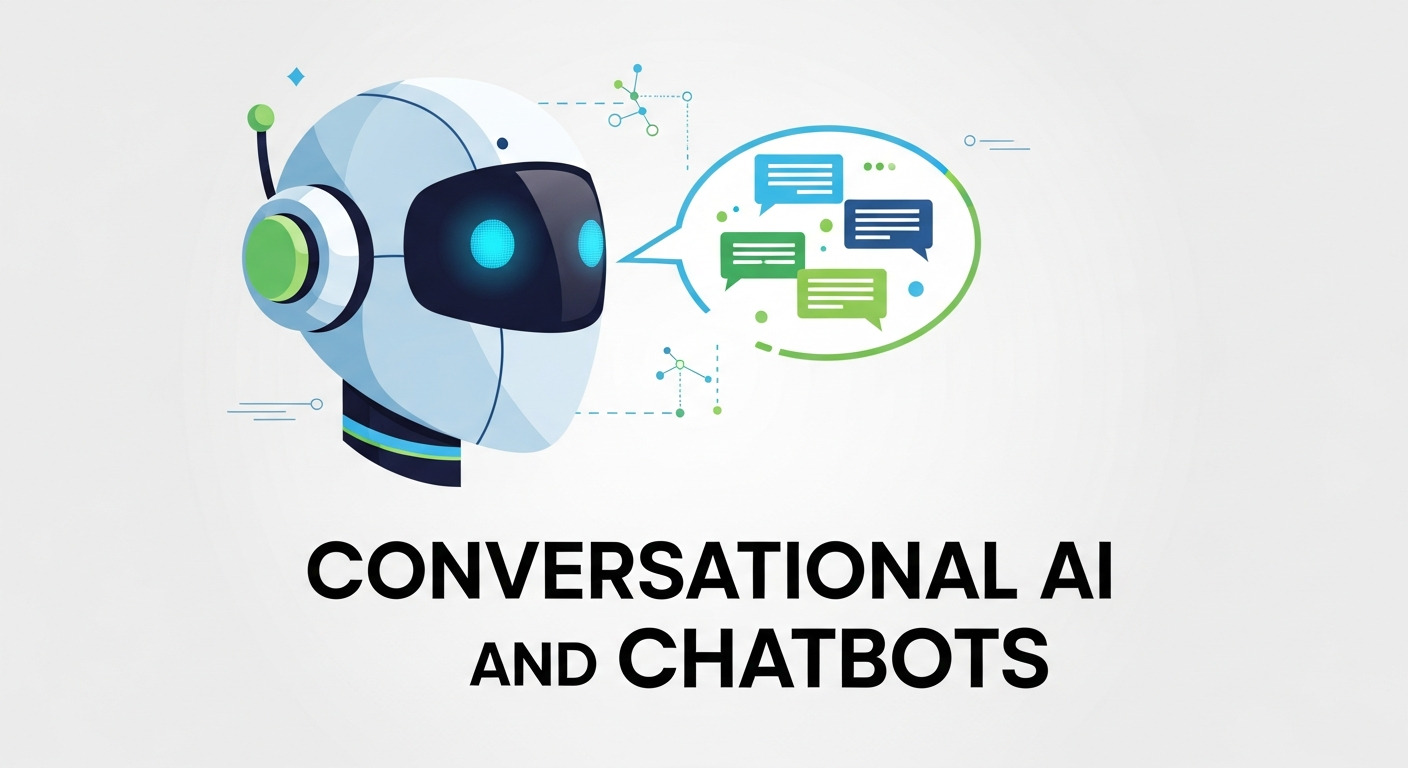
AI chatbots enhance personalization through real-time interaction. NLP allows bots to understand user queries and deliver tailored assistance instantly. Beyond support, chatbots can recommend products, guide navigation, and trigger contextual offers. They learn from past conversations to refine responses. Personalized dialogue builds trust and improves user satisfaction. Chatbots also reduce operational costs by automating repetitive interactions. In mobile apps, they serve as intelligent engagement tools that keep users active. AI-driven conversations feel natural and responsive, improving overall experience while driving upsells and retention.
Monetization Through Personalization
AI personalization directly impacts revenue. By analyzing spending patterns and intent signals, apps can present tailored offers, subscriptions, or pricing strategies. Personalized product placements increase purchase likelihood. AI can also predict high-value users and optimize promotional targeting. Dynamic pricing and bundles boost Average revenue per user (ARPU) while preserving user experience. Instead of aggressive selling, monetization becomes relevant and timely. This increases trust and long-term value. Personalized commerce is one of the strongest growth levers AI provides.
Measuring Personalization Performance
Tracking performance validates AI effectiveness. Key metrics include engagement with personalized modules, retention lift, conversion rate, and ARPU growth. Cohort analysis reveals how personalized users behave versus control groups. Continuous monitoring ensures models remain accurate. Measuring outcomes allows marketers to refine targeting and maximize ROI. Without analytics, personalization becomes guesswork. Data-driven optimization is critical for sustained success.
Case Study: Driving 35% Engagement Lift with AI Personalization
A leading e-commerce mobile app implemented an AI recommendation engine to power its home screen and push notifications. By tailoring product carousels to each user’s browsing and purchase history, the app saw:
- 35% increase in home screen click-through rate
- 22% lift in add-to-cart actions from push notifications
- 18% growth in week-over-week retention among personalized cohorts
Key success factors included continuous model retraining, personalized discount tiers, and a dedicated analytics team to monitor performance dashboards in real time.
Emerging Trends in AI-Driven Mobile App Personalization
As AI technology advances, expect to see innovations such as:
- Voice-Activated Personalization: Integrating voice assistants to deliver context-aware recommendations and support.
- Augmented Reality (AR) Recommendations: Offering AR previews of products or locations based on user preferences.
- Hyper-Local Contextualization: Leveraging geofencing and beacons for location-based, real-time personalization.
- Emotion AI: Analyzing user sentiment through behavioral and facial recognition data to adapt experiences dynamically.
Challenges and Best Practices
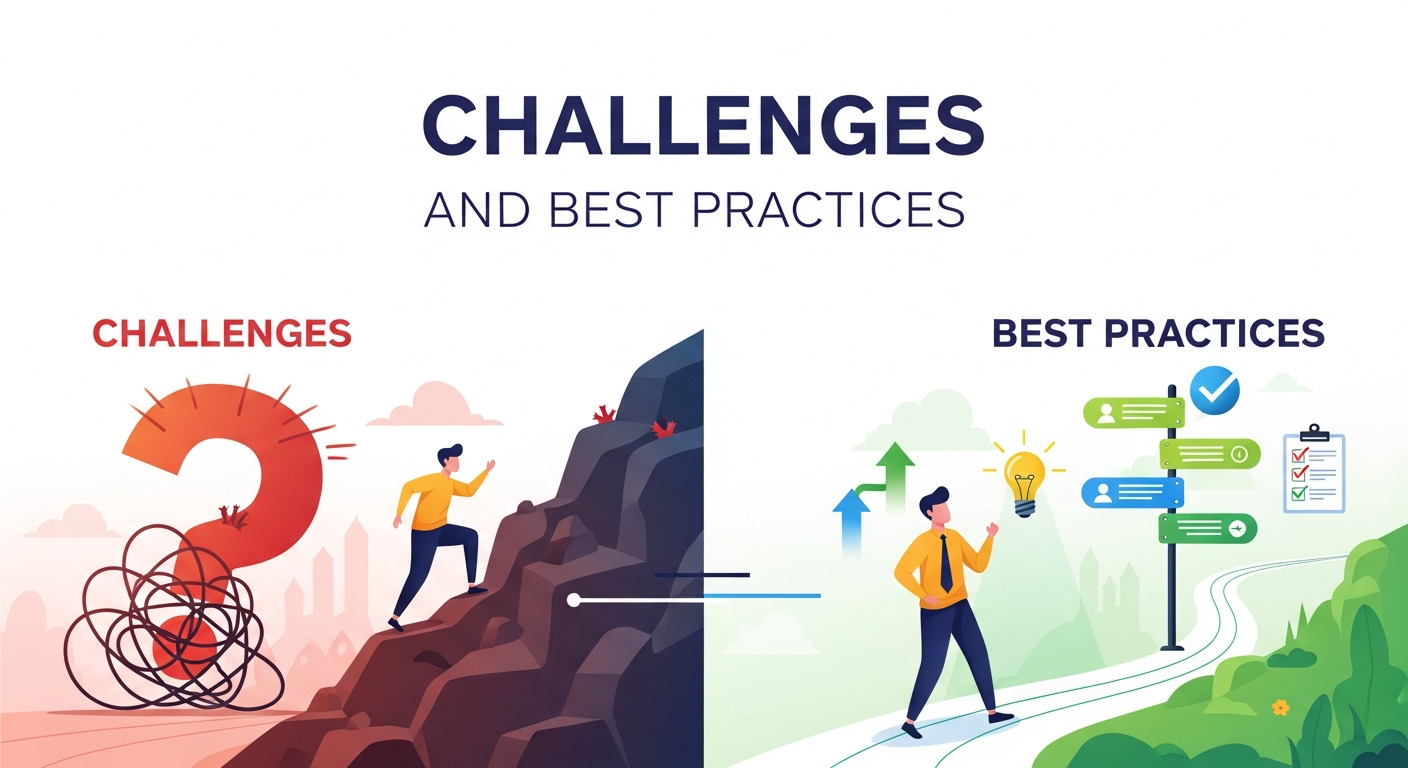
While AI personalization offers enormous potential, marketers must navigate challenges like data privacy, algorithm bias, and integration complexity. Best practices include:
- Prioritize User Consent: Be transparent about data usage and offer clear opt-in/opt-out options.
- Monitor for Bias: Regularly audit models to ensure fair treatment across demographics.
- Cross-Functional Collaboration: Align marketing, product, and data science teams to streamline personalization workflows.
- Scalable Architecture: Invest in a flexible data infrastructure and modular AI services to evolve with your app’s needs.
Conclusion
AI personalization is rapidly becoming the gold standard in mobile app marketing. By delivering contextually relevant experiences—whether through dynamic content recommendations, predictive push notifications, or conversational chatbots—you can significantly boost user engagement, retention, and revenue. Follow the step-by-step framework outlined above, keep a close eye on your KPIs, and continuously refine your models to stay ahead of user expectations. Embrace AI personalization today, and watch your mobile app marketing performance soar.
FAQs
1. What is AI-powered personalization in mobile apps?
AI-powered personalization uses machine learning algorithms to analyze user behavior, preferences, and interactions in real time to tailor app experiences. It dynamically customizes content, recommendations, notifications, and even layouts for each user, creating highly relevant and engaging journeys instead of generic, one-size-fits-all experiences.
2. How does AI improve user retention?
AI improves retention by predicting what users want and delivering timely, relevant interactions. Personalized onboarding, smart reminders, tailored content, and behavioral triggers keep users engaged, reduce churn, and encourage habitual usage, which is critical for long-term app growth.
3. Why are push notifications better with AI?
AI ensures push notifications are sent at the right time, to the right user, with the right message. Instead of mass blasts, predictive models analyze engagement patterns and user intent to deliver highly relevant alerts that feel helpful rather than intrusive.
4. What data is required for personalization?
Effective personalization relies on behavioral data such as screen views, taps, purchase history, session duration, frequency, user preferences, referral sources, and inactivity signals. The more structured and real-time the data, the more accurate AI-driven decisions become.
5. Are AI recommendations accurate for new users?
Yes. AI uses lookalike modeling and collaborative filtering to predict interests even with limited data. Early interactions combined with broader user patterns allow systems to deliver relevant suggestions from the very first essions.
6. Does AI personalization increase revenues?
Definitely. Personalized offers, product placements, dynamic pricing, and tailored upsells improve conversion rates and increase average revenue per user by presenting users with what they’re most likely to purchase.
7. Is AI personalization expensive to implement?
Not necessarily. Many SaaS platforms provide plug-and-play personalization tools that scale with your app size. While enterprise solutions may cost more, startups can start small and expand gradually.
8. How do chatbots personalize experiences?
AI chatbots analyze conversation history, preferences, and behavior to deliver contextual responses, recommend relevant features or products, and guide users efficiently, creating a smoother and more engaging in-app support experience.
9. How can success be measured?
Success is measured using KPIs like engagement with personalized content, retention lift, conversion rate improvements, user lifetime value (LTV), and ARPU. A/B testing helps validate performance.
10. Is user privacy at risk?
AI personalization is safe when apps follow strict data protection practices, user consent policies, encryption, and transparency. Responsible data handling strengthens trust rather than harming it.
11. Can small apps use AI personalization?
Yes. Modern personalization tools are designed for apps of all sizes. Even small datasets can generate meaningful AI-driven insights and improve engagement significantly.
12. What’s the future of AI in app marketing?
The future lies in hyper-personalization powered by predictive analytics, voice interfaces, AR-based recommendations, and emotion-aware AI that adapts app experiences in real time to individual user contexts.

ASO App Store Optimization: The Ultimate Guide for Growth


Advanced Push Notification Strategies to Skyrocket Mobile App Conversions
Contextual Marketing in Mobile Apps: Crafting Real-Time Experiences That Convert