
For marketers trying to navigate the digital advertising space, one phrase stands out: In-app advertising.
People now spend 4–5 hours per day on mobile apps, with the smartphone as a constant companion. Our attention is locked in for 3–5 hours every weekday. Eyes glued to the screen, fingers dancing over it — whether scrolling through social media, playing games, or even making financial transactions, apps dominate the digital landscape.
The attention of app users has been the goal of businesses and advertisers. All this effort has not gone to waste.
But why are in-app ads so important to marketers? How are they different from traditional methods of digital advertising? And more importantly, how can they bring value to a brand? Let’s explore.
The Power of Mobile Apps in Today’s Market
Mobile Consumption
The “2023 State of Mobile Report” by Data.ai states that 88% of time spent on smartphones occurs in-app. Whether you’re gaming, shopping, or working out, apps offer seamless experiences that browsers don’t.
Personalized Service
Apps allow businesses to tailor their services to the habits and preferences of individual users. This personalization often leads to higher engagement, making it very appealing for marketers.
Audience Growth
Mobile apps bring global user bases right to the doorstep. Marketers can reach target demographics wherever they are.
With such a powerful platform, marketers use in-app ads to build brand awareness, capture new customers, and increase sales.
What Are In-App Ads?
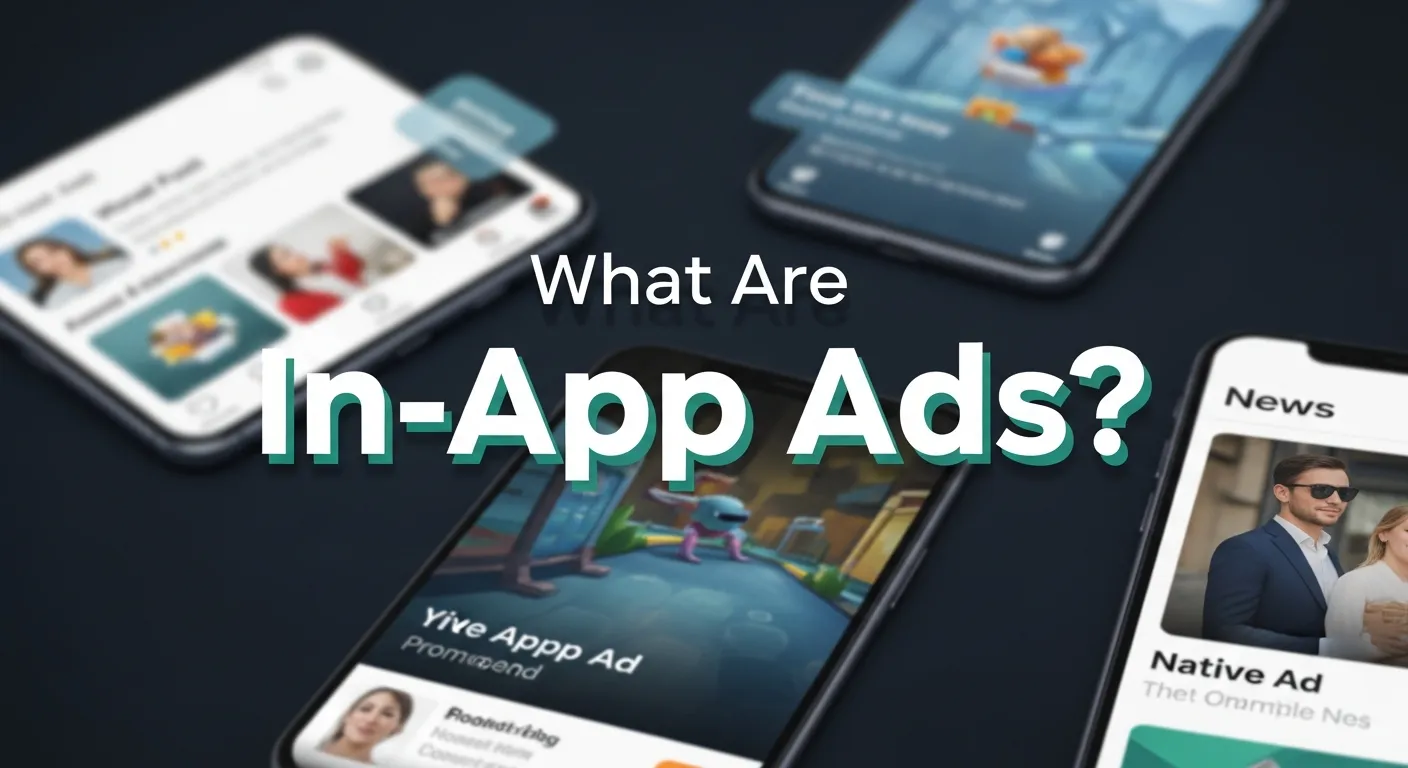
In-app ads are advertisements that appear inside other mobile apps. They take many forms and serve a variety of marketing objectives.
Common In-App Ad Formats:
- Native Ads: Seamlessly integrated and match the app’s design and behavior.
- Interstitial Ads: Full-page ads shown at major transition points.
- Rewarded Video Ads: Offer users incentives (e.g., in-game coins) in return for watching a short video.
- Banner Ads: Traditional ads that appear at the top or bottom of the app screen.
- Playable Ads: Interactive ads that let users try out an app or game preview.
Each format can help achieve goals like brand awareness, user engagement, or conversions.
In-App Ads: Why They Matter to Marketers
1. Accurate Targeting
Apps collect data like age, gender, and even real-time location. This allows for pinpoint ad targeting that boosts click-through and conversion rates.
Example: A fitness app may show ads for energy drinks based on workout data.
2. Higher Engagement Rates
Apps are immersive by design. In-app ads often receive more engagement than web ads.
- Statista reports in-app CTRs at 1.2% vs. 0.35% for web display ads.
3. Seamless User Experience
Unlike intrusive web pop-ups, in-app ads can be integrated naturally.
Example: A sponsored post in a photo-sharing app feels like part of the feed rather than an interruption.
4. Measurable Performance
Track metrics like:
- Click-through rates (CTR)
- Impressions
- Return on Ad Spend (ROAS)
This real-time data allows continuous optimization of ad campaigns.
5. Reward Systems Drive Conversions
Rewarded ads increase conversions by offering value (like in-game rewards) in exchange for watching a short video.
Brands like Spotify and Duolingo have used rewarded ads to boost downloads and subscriptions.
6. Brand Safety
Reputable mobile apps have strict ad placement policies, helping marketers avoid appearing next to offensive or harmful content.
How Gaming Apps Reach a Captive Audience
According to App Annie, gaming makes up 60% of in-app ad spending.
Why?
- Gamers are active, engaged users
- They spend hours inside apps
- They’re more open to rewarded ad formats
This gives non-gaming brands a chance to reach new, diverse audiences through gaming.
In-App Ads Have Their Challenges

Despite their benefits, in-app ads are not without issues:
Ad Fatigue
Repetitive ads can annoy users and lead to app abandonment.
Viewability
Formats like banners may not capture attention like native or full-screen ads.
Ad Fraud
Bots can generate fake clicks. Working with trusted ad networks and using anti-fraud tools can help mitigate this.
The Rise of In-App Ads in a Mobile-First World
In the past decade, mobile devices have transformed the way people interact with digital content. Smartphones are no longer just communication tools—they are central to everyday life, from shopping to entertainment and productivity. In this mobile-first environment, in-app ads have emerged as one of the most powerful marketing channels. Unlike traditional web ads or banner ads, in-app ads offer a highly immersive environment where users are already engaged with content. Marketers leveraging apps on android market easy guide strategies can reach audiences directly where they spend most of their time, increasing the likelihood of meaningful engagement. The mobile-first approach has forced companies to rethink their marketing strategies, focusing on contextual and interactive advertising to capture attention efficiently.
Personalization and Targeting Through In-App Ads
One of the major advantages of in-app ads is their ability to provide highly personalized experiences. Mobile apps collect data on user behavior, preferences, location, and device usage, which enables marketers to deliver content tailored to each individual. Personalized campaigns have been shown to improve engagement, click-through rates, and conversions significantly. By integrating these strategies with a mobile app marketing funnel, businesses can guide users from initial exposure to action, building both loyalty and long-term value. Companies that employ shopify app effectively boost downloads strategies often combine personalization with incentives, such as limited-time offers or in-app rewards, creating a compelling reason for users to interact with ads and make purchases.
Driving Engagement and Retention With In-App Ads
In-app ads not only drive immediate action but also contribute to long-term engagement and retention. Unlike passive digital advertising, interactive ad formats such as rewarded videos, playable ads, and native integrations create opportunities for users to actively participate in campaigns. This participation fosters a sense of value, encouraging repeat interactions with the app and associated brand. Brands looking to implement mobile app marketing for success understand that retention is as important as acquisition. Retaining a user within an app ecosystem allows for repeated exposure to products, promotions, and services, which strengthens brand recall and drives incremental revenue. A well-executed in-app ad campaign becomes an integral part of a user’s daily digital experience.
Maximizing ROI with In-App Ads
Paragraph:
In-app ads provide marketers with unique opportunities to generate revenue and build brand loyalty. By understanding user behavior within apps, brands can tailor campaigns to maximize engagement and return on investment. Successful in-app advertising goes beyond impressions—it focuses on user interaction and value. Companies leveraging apps on android market easy guide strategies can ensure that their ads are delivered to the right audience at the right time, increasing conversion potential and overall campaign efficiency.
Key Points:
- Segmentation: Analyze app user demographics and usage patterns to serve targeted ads.
- Creative Optimization: Use dynamic visuals, interactive formats, or videos to boost engagement.
- A/B Testing: Continuously test variations of ad content, placement, and timing.
- Rewarded Ads: Incentivize users with app rewards or discounts to improve conversions.
Example ROI Metrics for In-App Ad Campaigns
| Metric | Description | Importance to Marketers |
|---|---|---|
| Click-Through Rate (CTR) | Percentage of users who click on an ad | Measures engagement efficiency |
| Conversion Rate | Users completing the desired action (purchase, signup) | Directly tied to revenue |
| Cost per Install (CPI) | Expense for each app installation | Essential for evaluating ad spend |
| Return on Ad Spend (ROAS) | Revenue generated per dollar spent | Indicates campaign profitability |
| Engagement Time | Average time interacting with ad content | Helps optimize ad placement and format |
Optimizing the Performance of In-App Ads
To maximize the effectiveness of in-app advertising, marketers must focus on performance optimization. Data-driven insights, gathered from in-app analytics, allow companies to refine targeting, test creative strategies, and evaluate return on investment in real-time. Using a mobile app marketing funnel approach, campaigns can be systematically improved, ensuring that each stage of user interaction—from discovery to conversion—is measured and enhanced. Optimization includes understanding which ad formats resonate best with audiences, determining the ideal frequency of exposure, and adjusting messaging to fit user preferences. Businesses that master these techniques are able to achieve higher engagement, lower acquisition costs, and better overall results from their in-app advertising efforts.
Best Practices for In-App Ad Campaigns
Paragraph:
Executing a successful in-app ad campaign requires strategic planning and continuous optimization. Marketers should consider ad formats, user experience, and campaign goals. When integrated correctly, in-app ads can drive both awareness and conversions while maintaining a positive user experience. Using a mobile app marketing funnel approach, brands can guide users from discovery to action, ultimately improving retention and lifetime value. Companies employing shopify app effectively boost strategies often find a balance between creative appeal and measurable performance.
Key Points:
- Choose the Right Format: Native and banner ads work well for awareness; rewarded or playable ads excel in conversions.
- Minimize Disruption: Ads should blend seamlessly with app content to prevent user frustration.
- Retargeting Strategies: Re-engage users who previously interacted with the app to boost conversions.
- Data-Driven Decisions: Use metrics such as CTR, impressions, and ROAS to refine campaigns.
Best Practices Comparison
| Practice | Goal | Example Application |
|---|---|---|
| Format Selection | Maximize engagement | Rewarded video ads for game apps |
| User Experience Focus | Reduce annoyance | Native ads that match app design |
| Retargeting | Increase conversion | Ads for users who abandoned shopping carts |
| A/B Testing | Optimize creative performance | Test different headlines or CTA buttons |
| Metrics Monitoring | Ensure measurable success | Track CTR, ROAS, and CPI continuously |
The Future of In-App Advertising and Marketing Strategies
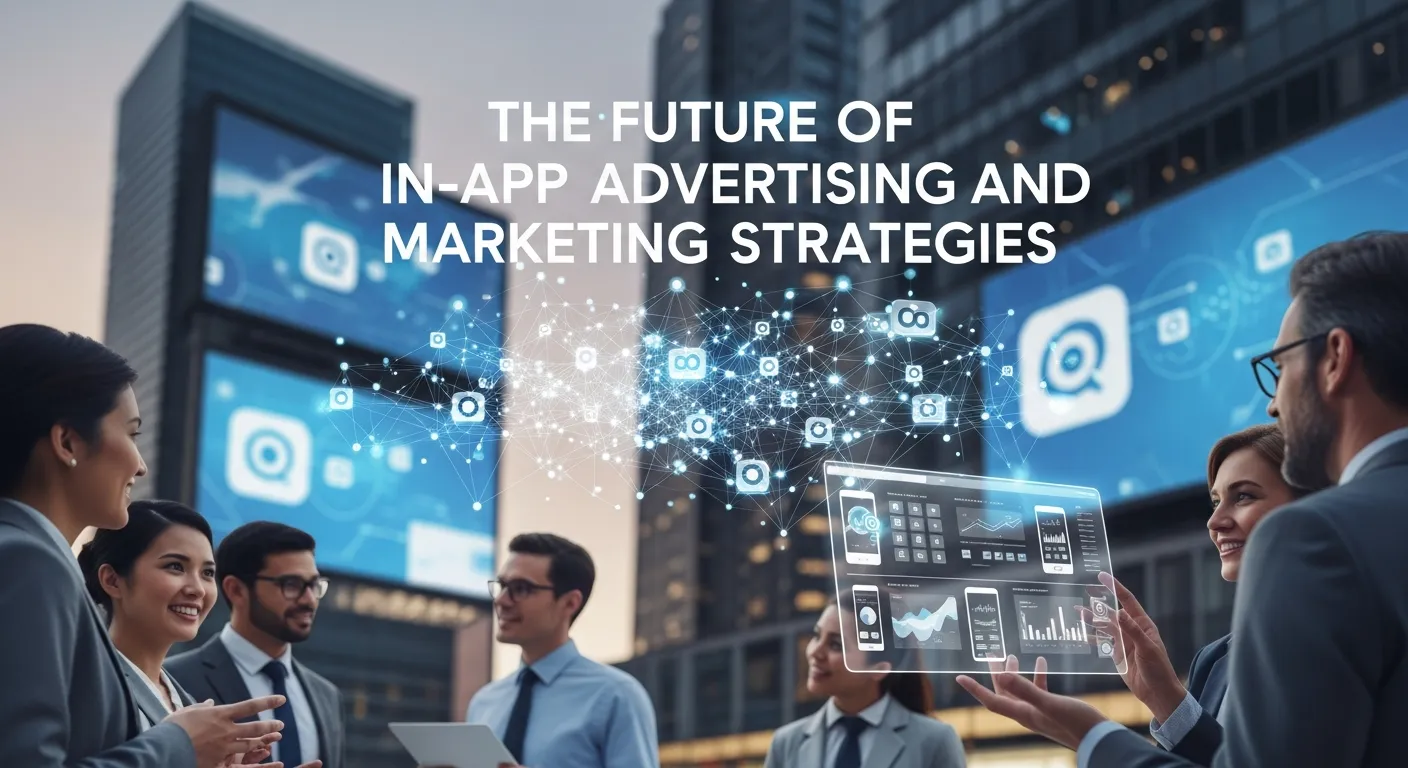
The evolution of in-app ads continues as technology advances. Emerging trends such as augmented reality (AR) and artificial intelligence (AI) are shaping how marketers design and deliver interactive experiences. AI enables smarter targeting, personalization, and predictive modeling, while AR allows users to engage with products in immersive and innovative ways. By adopting these technologies within a mobile app marketing funnel, businesses can anticipate user behavior and deliver relevant content that drives conversions. Additionally, apps on android market easy guide frameworks make it easier for brands to scale campaigns and monitor performance across multiple markets. Companies that integrate in-app ads with broader mobile marketing strategies are well-positioned to maintain a competitive edge in the ever-changing digital landscape.
How In-App Ads Work Best
Best Practices for Marketers:
- Choose the Right Format
- Native/banner ads for awareness
- Rewarded/playable ads for conversions
- Avoid Disruption
- Ensure ads match the look and feel of the app. Don’t overwhelm users with poor designs or too many placements.
- Employ Retargeting
- Re-engage users who’ve previously interacted with your brand for higher conversion rates.
- Optimize Creatives
- Use A/B testing for headlines, CTAs, and visuals to improve performance.
The Future of In-App Advertising
Emerging technologies like AI and AR are shaping the next wave of in-app ads.
- Try on glasses using AR before buying.
- Use AI to serve smarter, personalized ad recommendations.
Conclusion: Start Your In-App Ad Campaign Today
In-app ads are vital in today’s mobile-first world. They offer:
- Precise targeting
- Higher engagement
- Seamless user experience
- Measurable ROI
Whether you want to grow brand awareness or boost sales, in-app ads put you right where your audience spends most of their time.
If you haven’t tried in-app ads yet, the time is now. Test different formats, analyze performance, and build lasting impressions.
Frequently Asked Questions (FAQs)
1. What are in-app ads, and why are they important?
In-app ads are advertisements displayed within mobile applications. They are crucial because they allow brands to reach highly engaged audiences where users spend most of their time, improving targeting, visibility, and conversions.
2. How do in-app ads differ from traditional digital ads?
Unlike web ads, in-app ads are integrated into mobile apps, allowing for interactive formats, higher engagement rates, and precise targeting based on app usage, location, and user behavior, which traditional ads cannot achieve.
3. Which formats of in-app ads are most effective?
Native ads, interstitial ads, rewarded videos, banner ads, and playable ads are popular. Each serves a unique purpose, from driving awareness to increasing engagement, depending on the marketing objectives and target audience.
4. How can marketers measure the success of in-app ads?
Marketers track CTR, ROAS, impressions, and conversions to evaluate performance. Data from in-app campaigns helps refine targeting, optimize creative content, and ensure that campaigns meet both engagement and revenue goals effectively.
5. Can in-app ads increase app installs?
Yes, using formats like playable or rewarded ads can encourage users to download an app. When combined with mobile app marketing funnel strategies, in-app campaigns can effectively drive app acquisition and retention.
6. Are in-app ads suitable for all industries?
In-app ads can benefit most industries, especially those targeting mobile-first users. Apps on android market easy guide can help marketers identify suitable audiences, while engagement-driven campaigns work well across gaming, retail, and service sectors.
7. What challenges do marketers face with in-app ads?
Common challenges include ad fatigue, low viewability, and ad fraud. Using trusted networks, varying ad formats, and continuously optimizing campaigns helps mitigate these issues while maintaining user engagement.
8. How do rewarded ads work in mobile apps?
Rewarded ads give users incentives like in-game currency, discounts, or exclusive content in exchange for interacting with the ad. This boosts engagement, drives conversions, and strengthens the connection between brand and app users.
9. How can in-app ads improve brand awareness?
In-app ads appear directly where users spend most of their mobile time. Strategically placed native, interstitial, or banner ads increase exposure, create familiarity, and enhance recall, making them highly effective for awareness campaigns.
10. What role does data play in in-app ad campaigns?
Data collected from app interactions enables marketers to target precise demographics, optimize creatives, and refine ad delivery. Insights from analytics support mobile app marketing for success by ensuring campaigns are both efficient and profitable.