
Supercharge App Growth with AI-Powered Chatbots
 11 min read
In today’s digital landscape, mobile applications compete fiercely for user attention, making growth a formidable challenge. As marketers strive to optimize acquisition and retention, AI-Powered Chatbots have emerged as a pivotal tool. By combining machine learning, natural language processing (NLP), and real-time analytics, these intelligent assistants deliver personalized experiences at scale—boosting engagement and driving measurable results. This year (2026), forward-thinking brands are integrating AI-Powered Chatbots into their marketing funnels to guide new users, resolve queries instantly, and re-engage dormant audiences without manual intervention.
Beyond simple automated replies, modern AI-Powered Chatbots can interpret user intent, recommend relevant features, and even facilitate in-app purchases. Organizations that deploy these solutions often see significant uplifts in key metrics: downloads soar, session durations lengthen, and customer loyalty strengthens. In this comprehensive article, we’ll explore the evolution of AI-Powered Chatbots, unpack their benefits, and outline a step-by-step strategy for designing and integrating them into your app ecosystem. We’ll also examine best practices for measuring success and highlight future trends that will shape conversational experiences moving forward. By the end, you’ll have a clear roadmap to leverage AI-Powered Chatbots to supercharge your app’s growth trajectory.
The Rise and Key Advantages of AI-Powered Chatbots
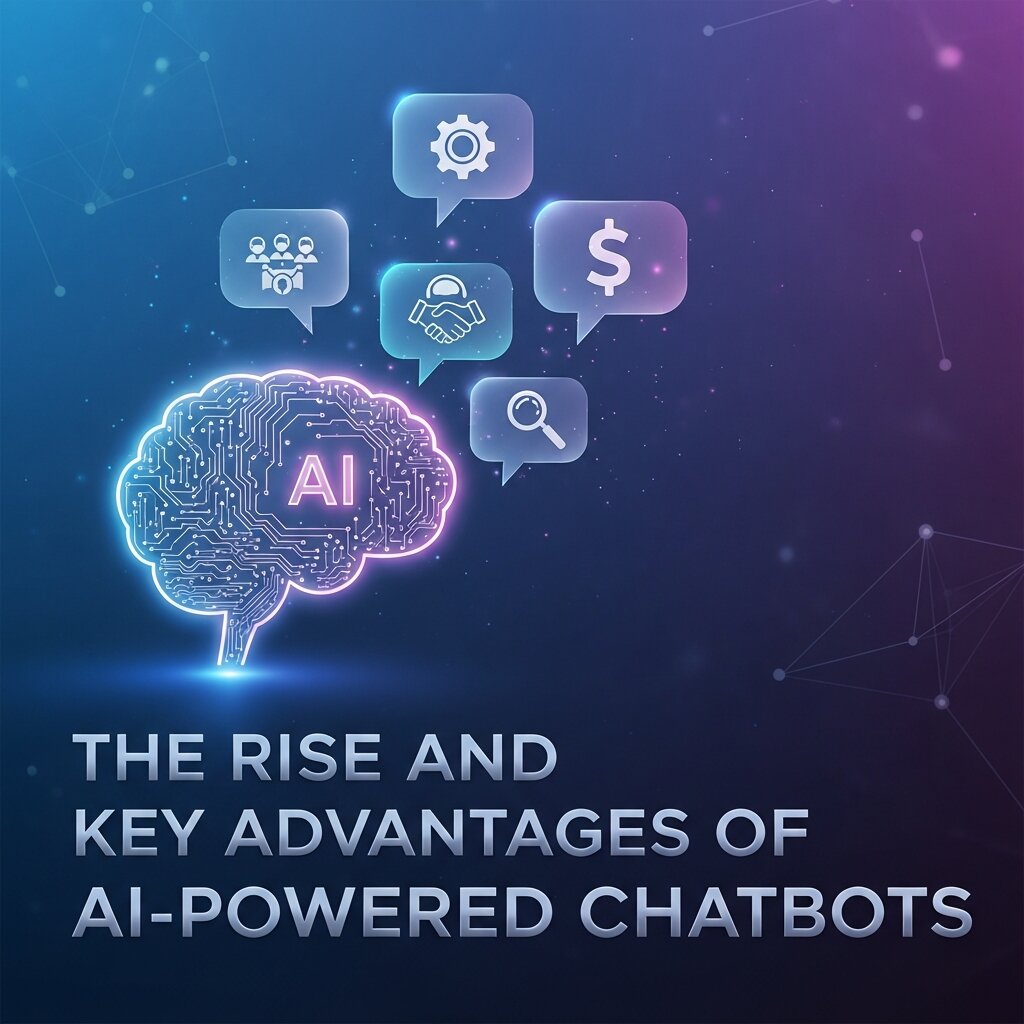 In recent years, AI-Powered Chatbots have transformed from simple scripted bots into sophisticated marketing assets. Powered by advances in NLP and deep learning, these conversational interfaces can comprehend user queries, predict preferences, and deliver real-time solutions. Today, app developers harness open-source frameworks and commercial platforms—such as Dialogflow, Rasa, and IBM Watson—to build chatbots capable of handling complex dialogues.
Studies from leading institutions demonstrate the impact of intelligent chat support. For example, programs at MIT have shown that user retention improves by up to 30% when chatbots deliver contextual assistance throughout the onboarding process. Likewise, research conducted in collaboration with Stanford University indicates a 25% increase in average revenue per user (ARPU) for apps integrating conversational commerce flows. These findings underscore how AI-Powered Chatbots fulfill modern consumer expectations for seamless, instant engagement.
As competition intensifies in app marketplaces, brands that rely solely on traditional channels—such as paid advertisements and mass push notifications—risk blending into the noise. By contrast, conversational experiences enabled by AI-Powered Chatbots establish direct, two-way connections, allowing marketers to segment audiences dynamically and deliver tailored content. In today’s ecosystem, deploying chat-driven engagement is not just innovative—it’s essential to differentiate and win user loyalty.
Integrating AI-Powered Chatbots into your mobile strategy unlocks multiple growth levers. Below are core benefits that drive sustainable user engagement and revenue.
1. Streamlined User Onboarding
First impressions matter. Onboarding chat flows reduce confusion and encourage exploration. By offering guided tours, interactive tutorials, and personalized tips based on user inputs, chatbots can cut drop-off rates by up to 40%. This hands-on approach accelerates feature discovery, ensuring that new users quickly realize the app’s value.
2. 24/7 Instant Support
Modern consumers demand round-the-clock assistance. AI-Powered Chatbots provide immediate responses to FAQs, transaction issues, and navigation queries—freeing support teams to tackle complex cases. According to research from the Centers for Disease Control and Prevention (CDC), timely information delivery can increase user satisfaction scores by 20%. Automated support also lowers operational costs by reducing ticket volumes.
3. Hyper-Personalized Engagement
By analyzing behavioral, demographic, and transactional data, chatbots identify user preferences and tailor messaging. Whether recommending premium features, sending targeted promotions, or prompting users to revisit abandoned sessions, AI-driven personalization fosters deeper in-app interactions and higher conversion rates.
4. Automated Re-Engagement Campaigns
Intelligent triggers—such as reminders for incomplete profiles, feature walkthrough replays, or special offers—reactivate dormant users. Apps that implement these automated campaigns can increase retention by 20% or more, as timely nudges revive interest and prompt renewed usage.
5. Actionable Insights & Continuous Improvement
Every conversation generates valuable data. Chat logs, sentiment analysis, and intent recognition reveal common pain points and feature requests. Product teams can use these insights to iterate rapidly, aligning roadmaps with real user demands and optimizing the overall experience.
Crafting an Integrated Chatbot Strategy
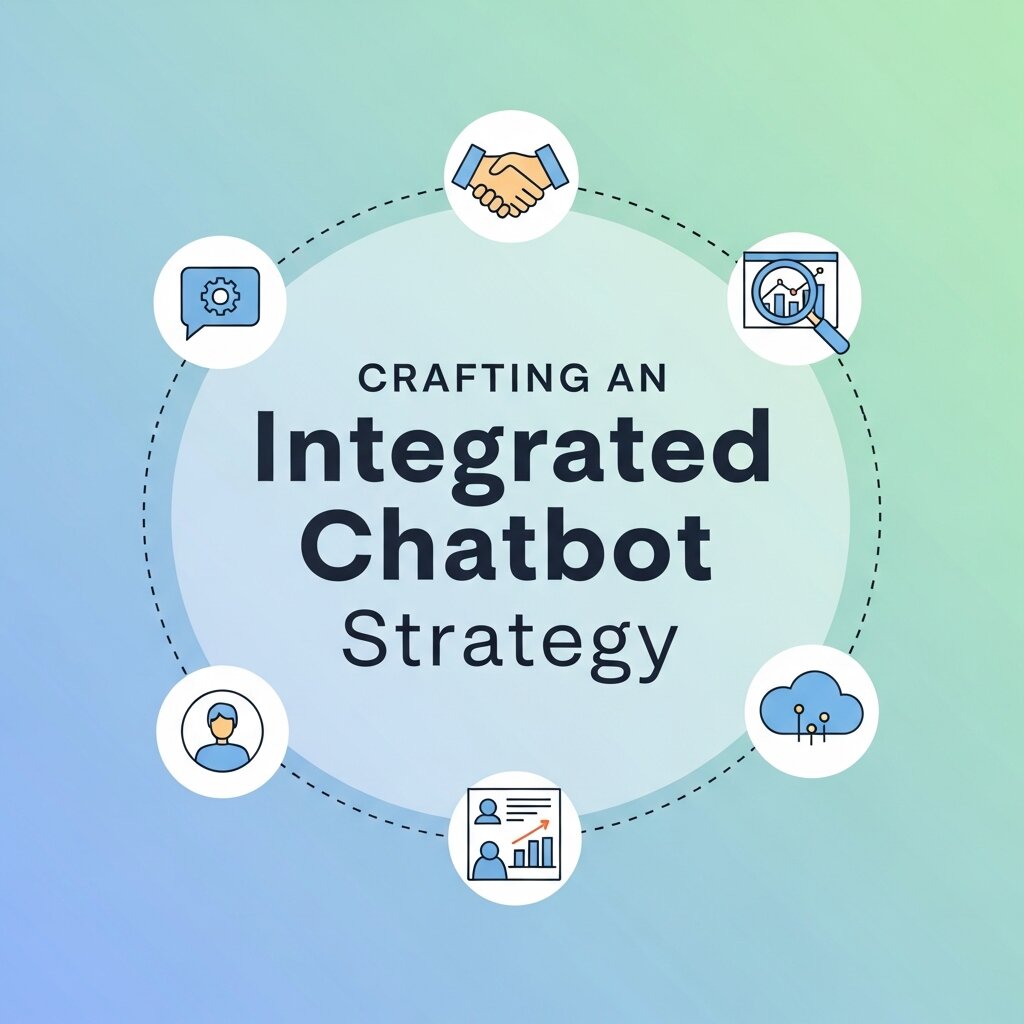 Launching an effective AI-Powered Chatbot requires a methodical approach. Follow these steps to ensure seamless adoption and maximum ROI.
1. Define Clear Objectives
Begin by pinpointing your primary goals: accelerating onboarding completion, boosting in-app conversions, reducing churn, or enhancing support efficiency. Quantify targets for each metric so that you can measure success objectively.
2. Map User Journeys
Identify key touchpoints where chatbot interactions can add value. Common scenarios include first app launch, feature exploration, subscription renewal, and post-purchase support. Plot conversation flows that guide users logically through each stage, ensuring smooth transitions and minimal friction.
3. Select the Ideal Platform
Evaluate chatbot frameworks based on integration complexity, NLP accuracy, analytics depth, and cost. Platforms like Dialogflow excel in quick prototyping, while Rasa offers extensive customization. Choose an SDK that aligns with your tech stack and scalability requirements.
4. Develop a Consistent Personality and Tone
Your chatbot’s voice should reflect brand identity. Whether playful and conversational or polished and professional, consistency builds trust. Draft a style guide outlining vocabulary, response length, and fallback messaging to maintain cohesive interactions.
5. Train Intents and Entities Rigorously
Populate your chatbot with relevant user queries, synonyms, and contextual triggers. Use real conversation data to refine NLP models continuously. Schedule regular retraining sessions to enhance intent recognition and reduce misinterpretations.
6. Establish Escalation Protocols
No chatbot can handle every scenario. Define clear handover procedures for complex issues—either connecting users to live agents or providing self-service resources. Prompt fallback messages and quick-reply options maintain user satisfaction when automation reaches its limits.
For optimal performance, AI-Powered Chatbots must be deeply embedded within your existing tech stack. Consider these critical integrations:
1. Analytics Platforms
Link chatbot events to tools like Google Analytics, Amplitude, or Mixpanel. Tracking metrics such as conversation length, intent success rate, and conversion funnels helps you gauge chatbot impact and optimize flows.
2. CRM and CDP Systems
Synchronize chat interactions with customer records in Salesforce, HubSpot, or Segment. A unified user profile ensures that marketing campaigns leverage the latest engagement data, enabling single-view insights and coordinated outreach.
3. Email and Push Notification Services
Coordinate cross-channel strategies by triggering emails or push messages based on chatbot outcomes. For example, dispatch a promotional email after positive feedback or send a reminder push to users who abandon an in-chat purchase flow.
4. In-App Messaging SDKs
Embed chat widgets directly within your mobile app using SDKs from Braze, Intercom, or Mixpanel Engage. In-context conversations minimize friction and boost adoption rates by keeping users inside the app environment.
5. Security and Compliance Tools
Ensure data privacy by integrating with encryption services and consent management platforms. Adhere to GDPR, CCPA, and other regulations to protect user data, maintain trust, and avoid legal penalties.
Measuring Success and Future Outlook
 Assessing the effectiveness of your AI-Powered Chatbot strategy is crucial for iterative improvement. Focus on these key performance indicators:
- User Retention Rate: Compare cohorts with and without chatbot interactions to measure impact on 7-day and 30-day retention.
- Conversion Metrics: Track in-chat purchases, subscription sign-ups, and feature adoption driven by conversational prompts.
- Customer Satisfaction Scores: Gather feedback through embedded rating widgets and sentiment analysis to quantify user happiness.
- Cost Savings: Calculate reduction in support ticket volume and agent handling time attributable to chatbot automation.
- Engagement Depth: Monitor average conversation length and the number of steps taken to complete key tasks.
Looking ahead, conversational AI will evolve toward multimodal interactions—incorporating voice, visuals, and augmented reality elements. Brands that adopt continuous learning loops and ethical transparency will gain a competitive edge as trust becomes paramount. Additionally, advancements in on-device AI processing will enhance privacy and reduce latency, further elevating user experiences.
Ultimately, the future of app marketing lies in conversational commerce, where chatbots will not only guide but also transact directly within chat streams. By staying agile and data-driven, marketers can harness emerging trends to deliver frictionless journeys and foster deeper connections with their audiences.
Advanced Personalization with AI Chatbots
AI-Powered Chatbots are redefining personalization by delivering highly tailored user experiences in real time. Unlike traditional segmentation, chatbots analyze live behavioral signals—such as browsing patterns, feature usage, and past interactions—to dynamically adjust conversations. This enables apps to recommend content, features, or offers that align precisely with each user’s intent. For example, a fintech app might suggest budgeting tools to a user who frequently checks expenses, while a fitness app could promote premium workout plans based on activity levels. This level of contextual relevance increases engagement and builds stronger emotional connections with users. As personalization becomes more sophisticated this year (2026), chatbots will serve as the central engine driving individualized app journeys at scale.
Voice and Multimodal Chatbot Experiences
The evolution of AI-Powered Chatbots is moving beyond text into voice and multimodal interactions. By integrating voice recognition and speech synthesis, apps can offer hands-free navigation and conversational assistance, enhancing accessibility and convenience. Multimodal chatbots combine text, voice, images, and even video to create richer user experiences. For instance, a travel app chatbot might display destination images while describing them verbally, or a shopping app could showcase product visuals alongside voice-guided recommendations. These immersive interactions reduce friction and cater to diverse user preferences. As devices become more advanced, incorporating multimodal chatbot capabilities will be essential for apps aiming to deliver seamless, engaging, and future-ready user experiences.
Scaling Chatbot Performance with AI Automation
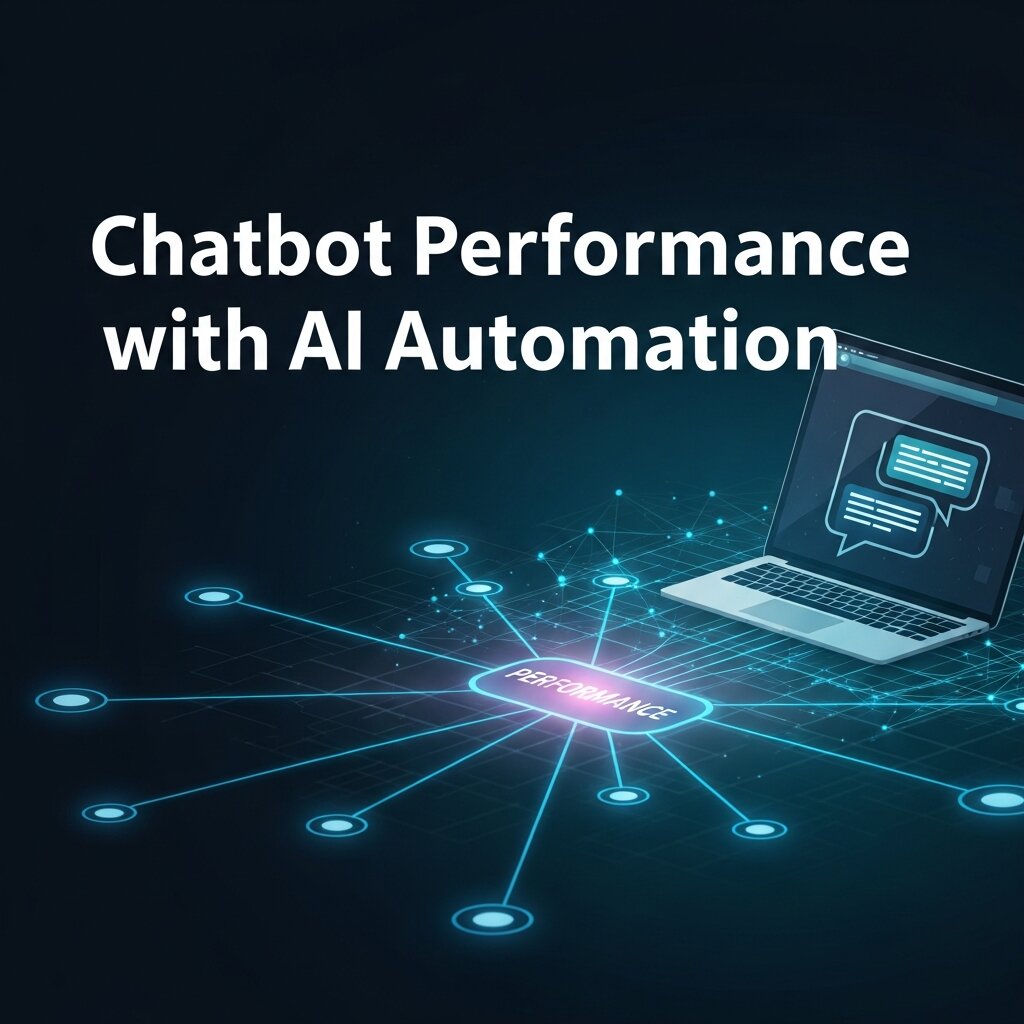 As user bases grow, maintaining consistent chatbot performance becomes critical. AI-Powered Chatbots leverage automation and continuous learning to scale efficiently without compromising quality. Automated workflows—such as intent detection, response generation, and sentiment analysis—enable chatbots to handle thousands of simultaneous interactions. Additionally, machine learning models improve over time by analyzing conversation data, reducing errors and enhancing accuracy. Cloud-based infrastructure further supports scalability by ensuring fast response times and high availability. For growing apps, this means delivering reliable support and engagement without expanding human resources proportionally. By investing in scalable chatbot architecture, businesses can maintain performance standards while accommodating increasing user demand and complexity.
Ethical AI and Transparency in Chatbot Design
As AI-Powered Chatbots become more integrated into user experiences, ethical considerations and transparency are increasingly important. Users expect clarity on how their data is collected, stored, and used during chatbot interactions. Implementing transparent consent mechanisms and clearly communicating chatbot capabilities builds trust and credibility. Additionally, developers must address potential biases in AI models to ensure fair and inclusive interactions across diverse user groups. Ethical chatbot design also includes providing users with options to opt out of automation or connect with human agents when needed. In today’s digital landscape, prioritizing ethical AI practices not only ensures regulatory compliance but also strengthens brand reputation and long-term user loyalty.
FAQ: AI-Powered Chatbots for App Growth
What are AI-Powered Chatbots?
AI-Powered Chatbots are intelligent virtual assistants that use machine learning and natural language processing (NLP) to understand user queries and provide automated, human-like responses. They help apps deliver personalized experiences, instant support, and guided interactions.
How do chatbots improve app user engagement?
Chatbots engage users through real-time conversations, personalized recommendations, and interactive onboarding. By guiding users step-by-step and responding instantly, they keep users active and increase session duration.
Can AI chatbots increase app conversions?
Yes, chatbots can significantly boost conversions by recommending relevant features, offering timely promotions, and enabling in-chat purchases or sign-ups. Their personalized approach reduces friction and encourages user action.
What are the key benefits of using chatbots in apps?
Key benefits include 24/7 customer support, improved onboarding experience, personalized engagement, automated re-engagement campaigns, reduced support costs, and valuable user insights from conversation data.
How do I measure chatbot performance?
You can track performance using metrics like user retention rate, conversion rate, customer satisfaction (CSAT), average conversation length, and reduction in support tickets.
Are AI chatbots suitable for small apps or startups?
Yes, even small apps can benefit from chatbots. Many platforms offer scalable solutions that allow startups to automate support, improve onboarding, and grow user engagement without large teams.
What challenges come with implementing chatbots?
Common challenges include training the chatbot accurately, handling complex queries, maintaining data privacy, and integrating with existing systems. Regular updates and clear escalation paths help overcome these issues.
How can I ensure user privacy with chatbots?
To ensure privacy, implement data encryption, user consent mechanisms, and compliance with regulations like GDPR or CCPA. Limiting data collection and using secure integrations also builds user trust.
What is the future of AI-Powered Chatbots?
The future includes voice-enabled bots, multimodal interactions (text, voice, visuals), deeper personalization, and integration with augmented reality (AR). Chatbots will increasingly handle full customer journeys, including transactions.
Conclusion
AI-Powered Chatbots represent a transformative force for mobile app growth today. By providing personalized onboarding, instantaneous support, and targeted re-engagement, these conversational agents deliver measurable uplifts in retention, revenue, and user satisfaction. A strategic rollout—defined by clear objectives, thoughtful design, and robust integrations—ensures you maximize ROI and streamline operations.
As technology advances this year (2026), staying ahead means embracing continuous optimization, ethical transparency, and emerging modalities. Start building your AI-Powered Chatbot roadmap now to elevate user experiences, unlock new revenue streams, and secure a competitive advantage in an ever-evolving marketplace.
Read more about this topic: Top App Marketing Strategies: Acquisition & amp Retention


App Store Optimization Tips for Improving App Visibility and Downloads
AI-Powered App Marketing: Boost Acquisition & Retention
Boost App Growth with Interactive Video Marketing Tactics