
AI-Powered App Marketing: Boost Acquisition & Retention
 11 min read
In today’s digital landscape, AI-Powered App Marketing has become a fundamental strategy for app developers and marketers aiming to stand out. Traditional methods of acquisition and engagement are no longer sufficient when users expect tailored experiences at every touchpoint. Currently, data volume is growing exponentially, and harnessing artificial intelligence allows marketers to transform raw metrics into predictive insights that guide decisions in real time. This approach reduces wasted ad spend, boosts user satisfaction, and builds long-lasting loyalty.
As mobile marketplaces become increasingly saturated, capturing high-quality downloads requires more than creative ad designs; it demands intelligent automation and hyper-personalization. Advanced algorithms analyze user behavior, segment audiences dynamically, and optimize campaigns continuously to drive efficient growth. Research from NIST underscores the importance of machine learning in processing large datasets securely, while studies at Harvard University highlight how predictive models enhance customer retention. In this comprehensive guide, we will explore the five critical pillars of AI-Powered App Marketing—from strategic acquisition tactics to sophisticated churn prevention—and demonstrate how to implement each stage effectively this year (2026).
Understanding AI-Powered App Marketing
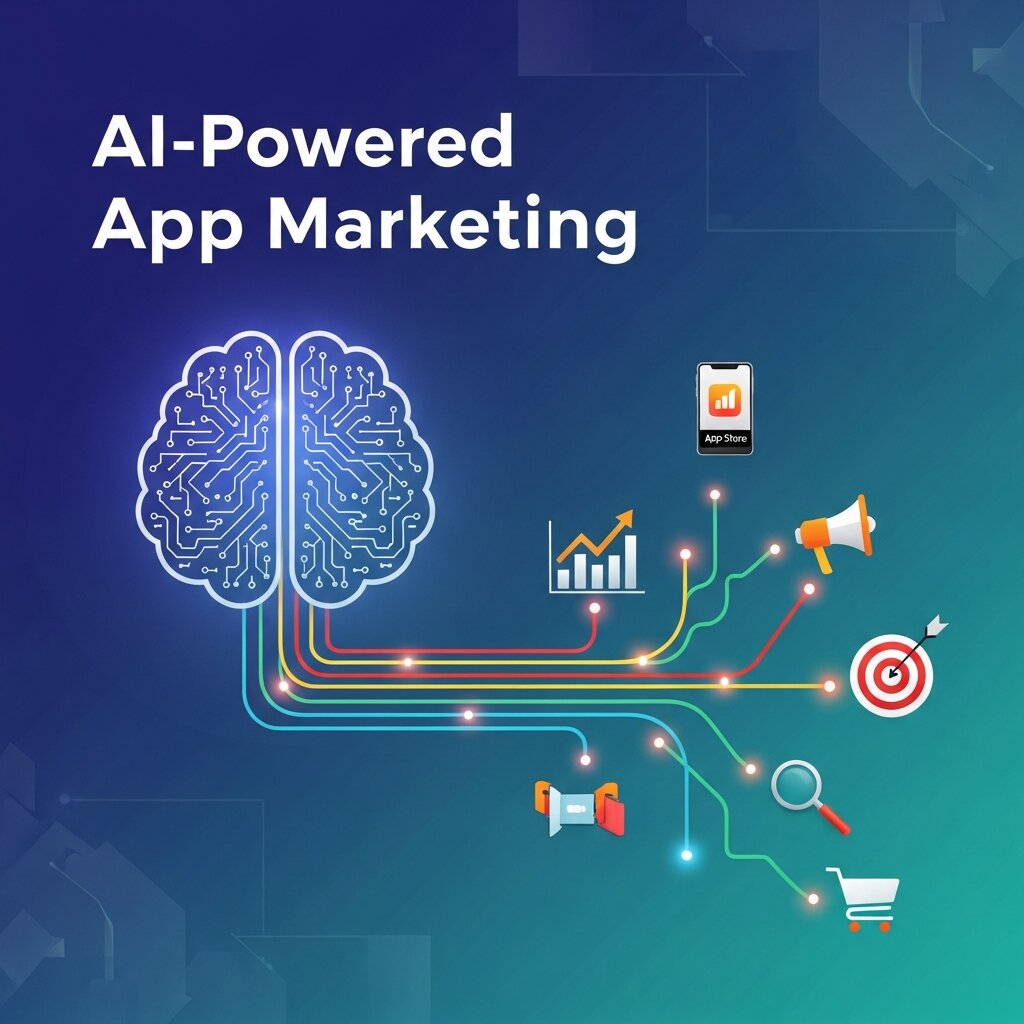 AI-Powered App Marketing involves integrating artificial intelligence tools into every phase of the user journey, from first impression to loyal advocacy. Unlike manual methods that rely on fixed rules, AI systems adapt and learn from ongoing interactions, ensuring campaigns evolve alongside user behavior. In today’s competitive environment, agility matters. Marketers cannot wait for weekly reports; they need insights delivered instantly to adjust bids, refine messaging, and optimize creative assets.
Machine learning models drive this intelligence by identifying patterns in extensive logs of user actions—such as session duration, click-through rates, and in-app transactions—and predicting future engagement or churn. Natural language processing (NLP) enhances communication by tailoring push notifications and email content to match individual preferences and sentiment. Predictive analytics then forecast which audiences are most likely to install, purchase, or become inactive, allowing teams to allocate budget precisely where it yields the highest return.
Embracing AI-Powered App Marketing also means fostering cross-functional collaboration among product, data science, and creative teams. Data scientists build predictive frameworks, creatives supply adaptable assets, and product managers ensure seamless integration with the app ecosystem. This synergy accelerates campaign iterations—for instance, dynamic content experiments can roll out multiple ad variants within hours, optimizing toward the best performers without manual intervention. As marketers seek to increase lifetime value (LTV) and reduce cost per install (CPI), AI tools become indispensable catalysts for growth.
Leveraging Machine Learning for User Acquisition
Acquiring the right users involves more than driving volume; it’s about attracting individuals who will engage deeply and contribute to sustainable revenue streams. AI-Powered App Marketing platforms harness machine learning algorithms to identify and target these high-value segments automatically. Through lookalike modeling, systems analyze your top contributors’ demographic and behavioral attributes, then find other users with similar profiles across wide-reaching ad networks.
Dynamic Audience Segmentation
Instead of static audience lists, AI tools continuously refine segments based on evolving user data. When new high-value users emerge, the system updates targeting parameters to include similar prospects. This adaptive segmentation reduces wasted impressions and lowers CPI by focusing resources on individuals most likely to convert.
Automated Bid Management
Traditional manual bidding can be labor-intensive and slow to react to performance shifts. In contrast, AI-driven real-time bidding (RTB) solutions adjust bids automatically, factoring in hour of day, geolocation trends, device type, and creative effectiveness. By continuously reallocating budget toward the top-performing placements, these systems maximize install rates while controlling spend.
Creative Personalization at Scale
Creative assets often determine whether a user will download an app. AI-powered creative engines assemble headlines, visuals, and calls to action based on user preferences and engagement history. Multivariate testing runs in the background, feeding performance data directly into the learning loop so that the most compelling combinations receive additional exposure. As a result, your acquisition campaigns become more responsive and impactful in fetching quality downloads.
Driving Engagement Through Personalization
Once your app has been installed, keeping users engaged demands timely, relevant communication that resonates with individual interests. AI-Powered App Marketing excels at delivering hyper-personalized content across push, email, and in-app channels. By analyzing behavioral signals such as session depth, feature usage, and purchase patterns, AI platforms create micro-segments that receive tailored messages at the optimal moment.
Behavioral Insights and Micro-Segmentation
Instead of broad categories, AI-enabled systems group users by precise behavioral criteria—for example, those who complete three game levels in under a week or abandon a shopping cart mid-transaction. These insights inform campaigns that nudge users down preferred paths, whether it’s progressing through onboarding or returning to complete a purchase.
Contextual and Timely Outreach
Context-aware notifications leverage location, time of day, and user state to engage audiences effectively. A travel app could send recommendations for local attractions when a user is in a new city, while a finance platform might remind someone of a pending bill close to its due date. Such relevance enhances open rates and fosters deeper in-app interactions.
Recommendation Engines
Personalized recommendations keep content or features top of mind. In streaming apps, recommendation engines analyze viewing habits to suggest new shows. In retail apps, similar algorithms cross-sell products that align with past purchases. Over time, these tailored suggestions build a sense of discovery that keeps users returning.
Predicting and Preventing Churn
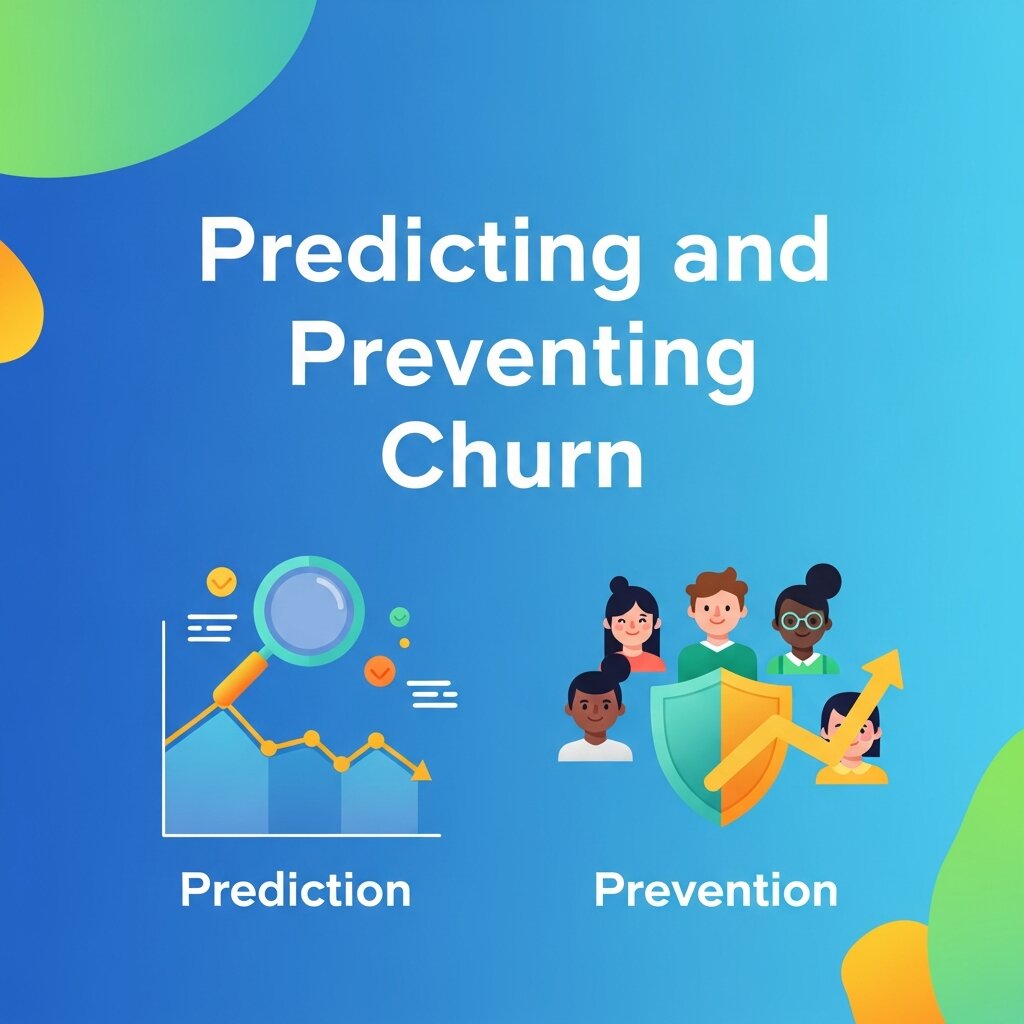 Retaining active users is more cost-effective than acquiring new ones. AI-Powered App Marketing platforms leverage predictive analytics to assess churn risk and deploy interventions before disengagement occurs. By assigning a churn probability score to each user, AI tools trigger retention workflows precisely when they matter most.
Churn Risk Modeling
Machine learning models evaluate factors like declining session frequency, reduced feature exploration, and inactivity periods to compute each user’s likelihood of leaving. These insights guide prioritization, ensuring retention teams focus on users most likely to lapse.
Personalized Incentives and Offers
Users flagged as high risk can receive targeted incentives such as discount codes, loyalty rewards, or exclusive content. AI ensures that the type and timing of these offers align with individual preferences to maximize re-engagement chances.
Real-Time Prompting
Contextual prompts within the app address churn triggers instantly. For example, if a user hesitates before exiting without completing a purchase, an AI-driven pop-up could present a limited-time voucher. These just-in-time interventions reduce drop-off rates and contribute to higher average order values.
Analytics and Integrations for Optimal Performance
Actionable insights are the backbone of continuous improvement. AI-Powered App Marketing platforms provide robust analytics and seamless integrations across your marketing stack, from demand-side platforms (DSPs) to customer relationship management (CRM) systems. This holistic approach unifies data, fuels better decisions, and streamlines operations.
Real-Time Performance Dashboards
Interactive dashboards update in real time, displaying key metrics like CPI, retention rates, lifetime value (LTV), and engagement scores. Immediate visibility into trends and anomalies empowers teams to address issues swiftly, preventing campaign underperformance.
Root-Cause Diagnostics
When performance dips, AI-driven tools analyze cross-channel data to uncover underlying problems—whether it’s creative fatigue, audience saturation, or technical glitches. Rapid diagnostics minimize downtime and enable targeted fixes.
Unified User Profiles
Integrating data from ad networks, email platforms, and in-app analytics creates a comprehensive view of each user. AI uses these unified profiles to refine predictions and recommend bespoke messaging sequences.
Cross-Channel Orchestration
AI coordinates communications across email, push, SMS, and in-app channels to reach users on their preferred platforms. It determines the best channel and timing for each message, ensuring consistency and reducing message fatigue.
AI-Driven Audience Intelligence
AI-Driven Audience Intelligence is a core component of modern app marketing that focuses on analyzing user data to understand behavior, preferences, and purchase intent. By collecting signals such as click patterns, session duration, device type, location, and in-app activity, AI systems build detailed user profiles. Machine learning algorithms then process this data to identify high-value audience segments that are most likely to convert or engage deeply. This allows marketers to target users more precisely instead of relying on broad assumptions. As a result, advertising becomes more efficient, reducing wasted budget while improving ROI. In today’s competitive digital ecosystem, especially in 2026, audience intelligence plays a critical role in driving scalable growth and ensuring that marketing efforts reach the right users at the right time.
Predictive Campaign Optimization
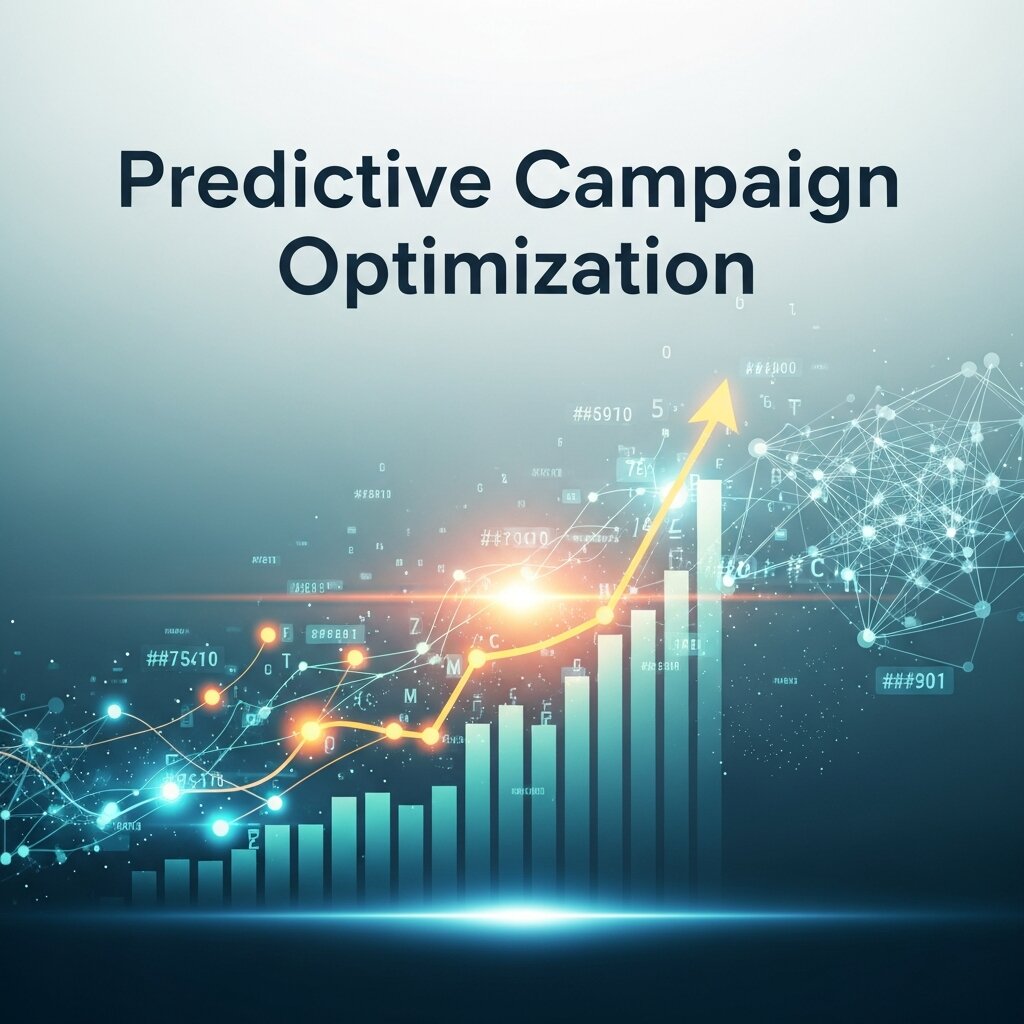 Predictive Campaign Optimization uses artificial intelligence and machine learning models to forecast the future performance of marketing campaigns before they fully run. By analyzing historical data such as click-through rates, conversion patterns, engagement behavior, and audience response, the system predicts which strategies will perform best. This enables marketers to adjust bidding strategies, budget allocation, and creative assets in real time. Instead of relying on manual testing, AI continuously learns and optimizes campaign performance automatically. It identifies high-performing channels and reduces spending on underperforming segments, maximizing efficiency. In 2026, this approach has become essential in AI-powered marketing ecosystems, helping businesses improve return on ad spend (ROAS) while maintaining agility in fast-changing digital markets where user behavior shifts rapidly.
Intelligent Retention Automation
Intelligent Retention Automation is an AI-powered strategy designed to improve user retention by identifying early signs of churn and automatically triggering re-engagement actions. The system monitors behavioral signals such as declining app usage, reduced session frequency, and inactivity periods to calculate churn risk scores. Based on these insights, it delivers personalized interventions like push notifications, in-app messages, discounts, or feature reminders. These messages are timed intelligently to re-capture user attention at the most effective moment. Unlike manual retention campaigns, this system operates continuously and adapts based on user responses. It also improves over time through machine learning feedback loops. In 2026, intelligent retention automation is a key driver of long-term user value, helping apps maintain engagement and significantly increase lifetime value (LTV).
FAQ: AI-Powered App Marketing
What is AI-Powered App Marketing?
AI-Powered App Marketing refers to the use of artificial intelligence technologies—such as machine learning, predictive analytics, and natural language processing—to automate marketing processes, personalize user experiences, and optimize campaigns across the entire user lifecycle.
How does AI help in app user acquisition?
AI improves user acquisition by identifying high-value audiences through lookalike modeling, automating audience segmentation, and optimizing ad bids in real time. It ensures marketing budgets are spent efficiently by targeting users most likely to install and engage.
How does AI enhance user engagement in mobile apps?
AI enhances engagement by delivering personalized content, recommendations, and notifications based on user behavior. It analyzes data like session activity and preferences to send the right message at the right time, increasing interaction and retention.
Can AI reduce app user churn?
Yes, AI can predict churn by analyzing behavioral patterns such as inactivity or reduced engagement. It then triggers targeted interventions like personalized offers, reminders, or in-app prompts to re-engage users before they leave.
What data is required for AI-powered marketing?
AI systems rely on various data sources, including user behavior (clicks, sessions), demographics, device data, and transaction history. Clean, well-structured data is essential for accurate predictions and effective personalization.
What are the key benefits of AI-Powered App Marketing?
Key benefits include improved targeting, reduced acquisition costs, higher engagement rates, better retention, automated decision-making, and real-time campaign optimization.
Is AI-Powered App Marketing suitable for small businesses?
Yes, many AI tools are scalable and accessible for startups and small businesses. Even with limited resources, companies can use AI to automate marketing tasks, improve targeting, and grow efficiently.
How do I measure the success of AI-driven marketing campaigns?
Success can be measured using metrics like cost per install (CPI), lifetime value (LTV), retention rate, engagement rate, conversion rate, and return on ad spend (ROAS).
What challenges come with AI-Powered App Marketing?
Common challenges include data privacy concerns, integration complexity, model accuracy, and the need for skilled expertise. Continuous monitoring and optimization are required for best results.
What is the future of AI in app marketing?
The future includes deeper personalization, real-time automation, voice and multimodal interactions, and more advanced predictive models. AI will continue to play a central role in delivering seamless, user-centric marketing experiences.
Conclusion
AI-Powered App Marketing is not an optional enhancement; in this year (2026), it is a strategic necessity. By embedding machine learning and predictive analytics into every stage of the user lifecycle—from smart acquisition and hyper-personalized engagement to proactive churn prevention and unified analytics—you can achieve unparalleled efficiency and growth. Today’s market demands agility, data-driven insights, and meaningful personalization, and AI delivers on all fronts.
Start integrating AI tools into your marketing ecosystem now to optimize bids, craft dynamic creatives, and deliver the right message at the right time. With continuous iteration and real-time feedback loops, your strategies will evolve alongside user expectations, driving download volume and fostering enduring loyalty. Embrace AI-Powered App Marketing today to secure a competitive edge and accelerate sustainable success.
Read more about this topic: AI-Powered Personalization: Revolutionize Your App Marketing


App Store Optimization Tips for Improving App Visibility and Downloads
Supercharge App Growth with AI-Powered Chatbots
Boost App Growth with Interactive Video Marketing Tactics