
A Guide to Mobile App Brand Marketing: Tips and Examples
 11 min read
Mobile apps have transformed how we live, work, and play. But launching an app is just the beginning. If your mobile app doesn’t have a strong brand and marketing strategy, it risks getting lost in the sea of competitors.
Understanding Your Target Audience
Before creating a marketing strategy, you need to clearly understand your audience. Knowing who will use your app helps shape messaging, design, and promotion strategies. Consider demographics, interests, behaviors, and pain points. Conduct surveys, interviews, or analyze competitors to gather insights. Understanding your audience allows you to deliver personalized experiences, relevant content, and engaging campaigns that resonate with users. The more precisely you define your target audience, the easier it becomes to attract loyal users, drive retention, and increase app adoption. A well-defined audience is the foundation for effective brand marketing.
What Is Mobile App Brand Marketing?
Mobile app brand marketing refers to the strategies and efforts taken to create a distinctive identity for your app while connecting with your target audience. It’s not just about paid ads or downloads. It’s about building a sustainable, memorable brand that resonates with users long after installation.
Why is it important? Because the mobile app marketing space is crowded. There were over 218 billion app downloads worldwide in 2022, and that number is only growing. Without a clear brand and marketing plan, even the most innovative app can fade into oblivion.
Why Your App Needs Strong Brand Marketing

Think about the apps you use daily. Chances are, names like Instagram, Spotify, or Duolingo come to mind. Why? These apps have gone beyond functionality to create powerful emotional connections with their users.
Here’s why strong brand marketing is essential for mobile apps:
- Builds Trust: A recognizably branded app gives users confidence in its reliability.
- Drives Loyalty: A strong brand fosters familiarity, leading to repeat usage and advocacy.
- Improves Discoverability: Differentiation helps your app stand out in search results and app stores.
- Enhances Monetization: Users are more willing to pay for apps with a strong and positive brand reputation.
Tips for Mobile App Brand Marketing
1. Define Your Brand Identity
Your brand is more than your app’s logo or color palette. It’s the story, message, and values your app represents. Ask yourself:
- What problem does my app solve?
- Who is my target audience?
- What emotions or values do I want my brand to evoke?
For example, language-learning app Duolingo adopts a friendly and playful tone across its marketing. Its quirky green owl mascot has become iconic, allowing users to associate learning with fun.
2. Leverage Social Media Marketing
Social media platforms are an essential tool for engaging directly with your potential users. Use platforms like Instagram, Facebook, TikTok, or Twitter to post:
- Tutorials showcasing your app’s features
- User-generated content that highlights real-life use cases
- Promotions and giveaways to excite your audience
Example
Remember when Clubhouse exploded in 2021? Much of its success can be attributed to its exclusive invite-only access, which turned downloads into a status symbol. Pairing exclusivity with social media hype created a snowball effect for early adoption.
3. Optimize Your App Store Presence
Your app’s listing on Google Play or the Apple App Store is often the first impression for potential users. Treat it like your storefront! Key areas to optimize:
- App Icon: A clean, professional, and memorable design.
- Title and Keywords: Use relevant keywords such as ”mobile app marketing” in your title and description to improve discoverability.
- Screenshots and Videos: Highlight your app’s main features visually.
- Ratings and Reviews: Encourage satisfied users to leave reviews. Social proof is powerful.
4. Content Marketing to Build Authority
Content marketing drives organic traffic and builds a community around your app. Start by creating value-packed content that educates or inspires your audience. Some ideas include:
- Blog posts and guides related to your app’s niche (such as this one!)
- Video tutorials shared on YouTube
- Infographics for visual storytelling
Example
Fitness app MyFitnessPal runs a blog filled with recipes, health tips, and workout ideas, reinforcing its position as a health ally while driving app downloads.
5. Collaborate with Influencers or Ambassadors
The right influencer marketing campaign can bring your app closer to your audience. Look for influencers whose followers match your target user demographic. They can:
- Showcase how they use your app
- Create unboxing-style experiences for products tied to your app
- Host live Q&A events or giveaways related to your app
6. Engage Users with Personalized Marketing
Personalization is key to making users feel valued. Develop marketing campaigns that speak directly to individuals rather than generic groups. For instance:
- Send personalized push notifications or emails.
- Tailor in-app recommendations based on user behavior.
- Promote exclusive rewards for loyal fans.
Spotify serves as a prime example here. Who doesn’t look forward to their annual “Spotify Wrapped,” where users get a personalized summary of their music listening trends? It creates anticipation, excitement, and viral sharing.
7. Track Metrics and Improve Continuously
All successful brand marketing strategies rely on data. Some essential app KPIs (Key Performance Indicators) to track include:
- Downloads and Retention Rate: How many users are staying after installation?
- Engagement Metrics like time spent on the app.
- Conversion Rates for in-app purchases, sign-ups, or subscriptions.
Tools like Google Analytics, Amplitude, or Adjust can help you measure these metrics effectively.
Crafting a Compelling Value Proposition
Your app’s value proposition tells users why they should choose your app over others. It should clearly communicate the main benefit, unique features, and the problem your app solves. A strong value proposition captures attention, builds trust, and sets expectations. Make it concise, clear, and relatable. For example, fitness apps can emphasize quick workouts for busy schedules, while productivity apps can highlight time-saving tools. Communicating this effectively across your website, app store listings, and social media ensures potential users immediately understand the app’s purpose and why it’s worth downloading.
Designing a Consistent Visual Identity
A consistent visual identity strengthens brand recognition and creates a lasting impression. This includes logos, color schemes, fonts, icons, and overall design language. A strong visual identity reflects your brand personality and communicates professionalism. Consistency across app interfaces, social media, marketing campaigns, and app store listings makes your app instantly recognizable. Users tend to trust apps that look polished and coherent. Investing in professional design and maintaining visual consistency helps differentiate your app from competitors, reinforces brand messaging, and contributes to a cohesive user experience that enhances loyalty and engagement over time.
Creating Engaging Onboarding Experiences
The first moments of using your app are critical for user retention. A well-designed onboarding process helps users understand your app quickly and experience its value immediately. Use interactive tutorials, guided walkthroughs, or short videos to explain key features. Keep onboarding simple, visually appealing, and relevant. Personalization, like tailoring suggestions based on user preferences, improves engagement. Effective onboarding reduces drop-offs, encourages continued usage, and builds a positive first impression. By creating a seamless, enjoyable onboarding experience, your app can establish trust, increase retention, and turn new users into loyal advocates who return regularly.
Leveraging User Feedback for Improvement
Collecting and analyzing user feedback is essential for continuous app improvement. Reviews, surveys, and in-app feedback provide insights into user satisfaction, pain points, and desired features. Actively listening to users builds trust, shows that their opinions matter, and helps refine your app experience. Address negative feedback constructively and implement changes where feasible. Regularly updating the app based on feedback improves functionality, usability, and overall satisfaction. Leveraging user feedback not only enhances retention but also strengthens your brand’s reputation as responsive and user-focused, making users more likely to recommend the app to others.
Building a Community Around Your App
Creating a community around your app encourages engagement, loyalty, and organic growth. Communities provide a space for users to share experiences, offer tips, and connect with like-minded individuals. Use forums, social media groups, or in-app community features to facilitate interaction. Encourage user-generated content, challenges, or discussions that reinforce your brand’s values and purpose. Active communities increase word-of-mouth marketing and help your app stay relevant. By fostering meaningful connections, your app not only retains existing users but also attracts new ones. A thriving community transforms users into advocates, amplifying your brand’s reach and impact.
Real-Life Examples of Powerful Mobile App Brand Marketing
Here’s what we can learn from some top-performing apps:
1. Headspace (Mental Health & Meditation)
- Strategy: Clear messaging and calming visuals align with their brand’s promise to provide peace of mind.
- Execution: Its free content on sleep and stress management pairs perfectly with a paid-app experience.
2. Canva (Design App)
- Strategy: Canva aligns brand marketing with empowerment, making anyone feel like a design pro.
- Execution: User-generated content and vibrant tutorials using Canva’s tools make users feel part of a creative community.
3. TikTok (Entertainment & Social Media)
- Strategy: Leverages trends and viral challenges to market itself, ensuring it remains at the center of public conversation.
- Execution: Community-driven content encourages participation, making every user a potential ambassador.
Turning Downloads into Loyalty with Brand Marketing

Building a successful app is only the first step. With a well-executed mobile app brand marketing strategy, you can not only attract new users but also foster loyalty among your existing user base. It’s about more than downloads; it’s about creating impact, establishing trust, and building a brand that resonates.
Remember, a strong mix of social proof, engaging content, personalization, and continuous optimization will set you apart in the competitive app landscape.
Need help taking your mobile app marketing to the next level? Reach out today to explore growth strategies tailored to your business.
Mobile App Brand Marketing FAQ
1. What is mobile app brand marketing?
Mobile app brand marketing involves creating a unique identity for your app while connecting meaningfully with your target audience. It is more than advertising or downloads—it is about building a memorable, trusted brand that users recognize and engage with over time.
2. Why is brand marketing important for my app?
The mobile app market is extremely crowded, with billions of downloads every year. Without a strong brand, even innovative apps can get lost. Brand marketing helps you build user trust, increase loyalty and repeat usage, improve discoverability in app stores, and enhance monetization potential.
3. How do I define my app’s brand identity?
You start by answering questions like what problem your app solves, who your target audience is, and what emotions or values your app should convey. Your brand is the story, tone, and personality behind your app, not just the logo or colors.
4. Which marketing channels work best for mobile apps?
Effective channels include social media, where you can engage users with tutorials, promotions, and user-generated content; app store optimization, which involves optimizing your app icon, title, description, screenshots, and reviews; content marketing through blogs, guides, videos, and infographics relevant to your app’s niche; influencer marketing to reach your target audience authentically; and personalized marketing using tailored emails, push notifications, and in-app recommendations.
5. How can I make my app stand out in app stores?
Focus on creating a memorable app icon and design, using relevant keywords in your title and description, providing high-quality screenshots and demo videos, and encouraging reviews and ratings from satisfied users.
6. Can personalization really make a difference?
Yes. Personalized experiences make users feel valued and increase engagement. Examples include personalized notifications, recommendations, and exclusive rewards. Spotify’s “Spotify Wrapped” is a famous example of creating excitement through personalization.
7. What metrics should I track to measure marketing success?
You should monitor downloads and retention rate to see if users are staying after installation, engagement metrics to measure how much time users spend on your app, and conversion rates to track whether users complete purchases, sign-ups, or subscriptions. Tools like Google Analytics, Amplitude, and Adjust can help monitor these metrics.
8. Can you give examples of successful mobile app brand marketing?
Headspace uses calming visuals and clear messaging to align with mental wellness. Canva empowers users through tutorials and user-generated content, building a creative community. TikTok leverages viral trends and community-driven content to stay relevant and engaging.
9. How can I turn downloads into loyal users?
A strong brand marketing strategy helps you move beyond downloads by building trust and credibility, engaging users with relevant and personalized content, and encouraging repeat usage and community participation.
10. Where can I get help with mobile app marketing?
Professional agencies and consultants can provide tailored growth strategies, including brand identity development, social media campaigns, content marketing, and app store optimization.

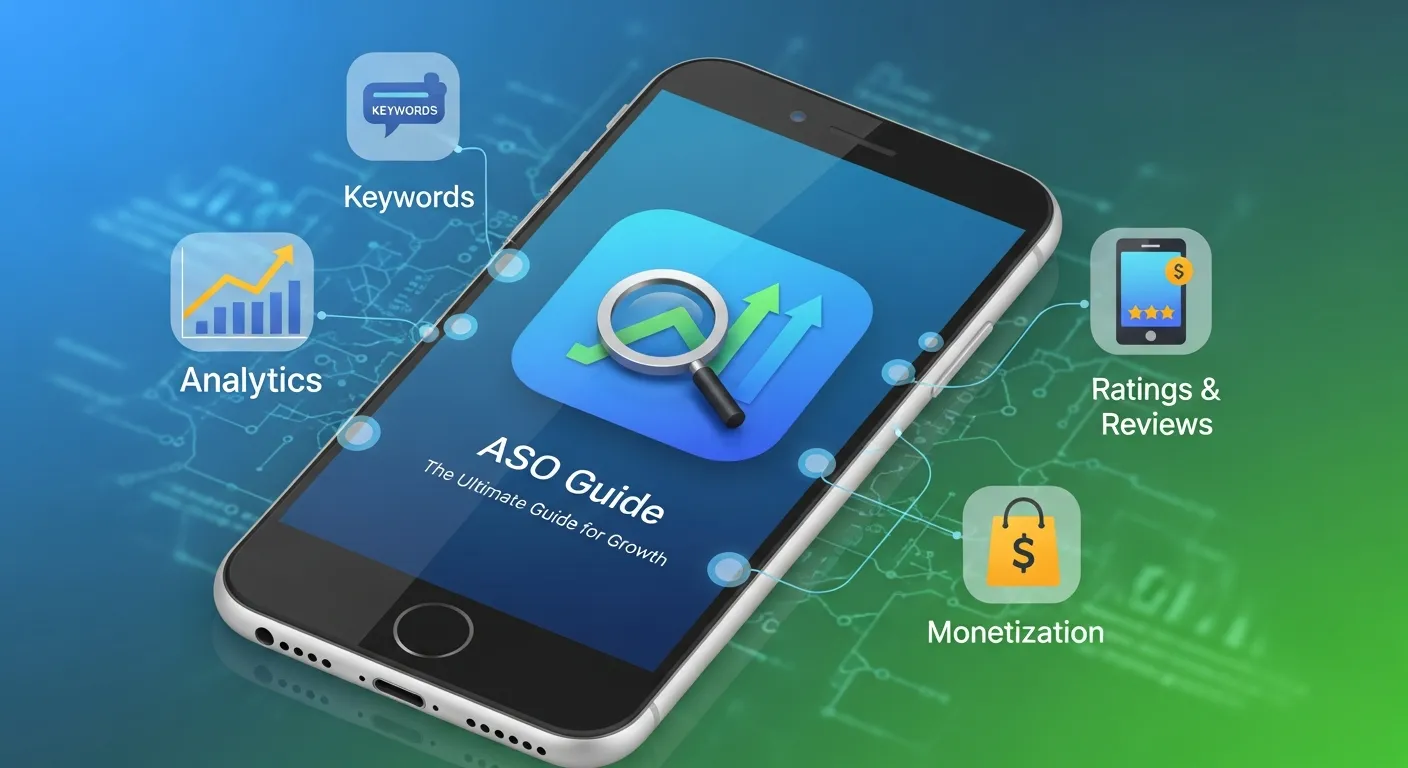
ASO App Store Optimization: The Ultimate Guide for Growth

Advanced Push Notification Strategies to Skyrocket Mobile App Conversions

Contextual Marketing in Mobile Apps: Crafting Real-Time Experiences That Convert
