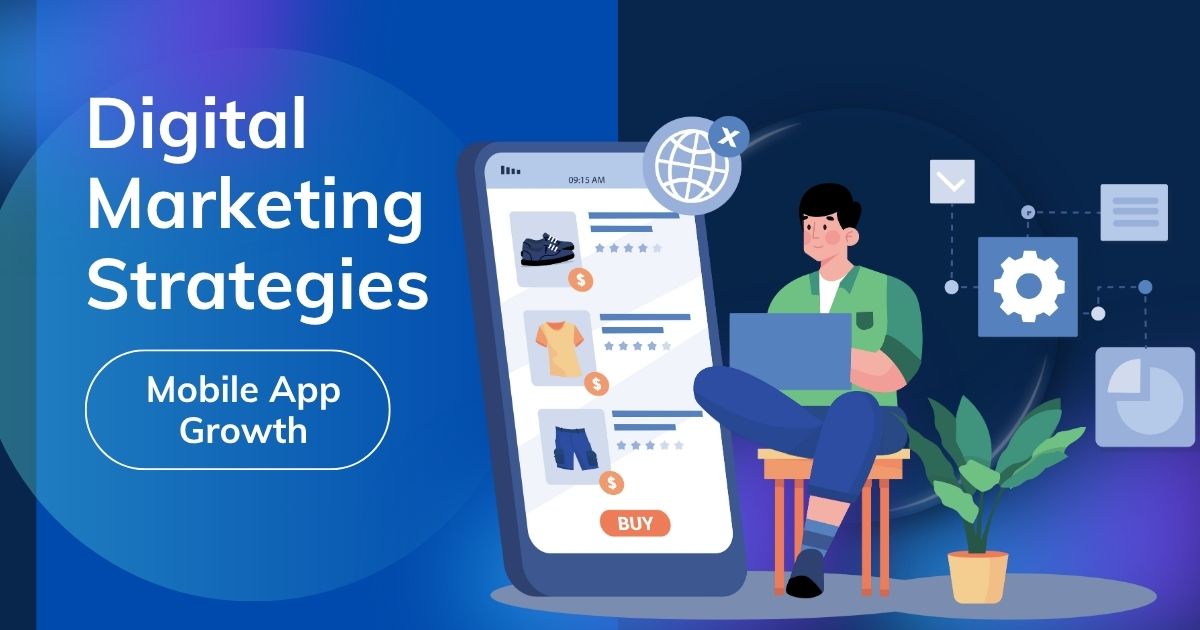
A well-designed mobile app is only as successful as its marketing strategy. With millions of apps available in app stores, ensuring visibility and encouraging downloads requires a solid plan. Whether you’re launching a new app or scaling an existing one, effective mobile app marketing strategies can make all the difference.
Why Digital Marketing Matters for Mobile App Growth

Building a mobile app isn’t enough. The staggering competition in app stores means you’ll need to stand out to attract users. With the right digital marketing strategies, you can increase your app’s discoverability, engage users, and stay ahead in the competitive landscape.
From organic methods to paid advertising, here are 10 actionable strategies to elevate your app’s presence.
1. App Store Optimization (ASO)
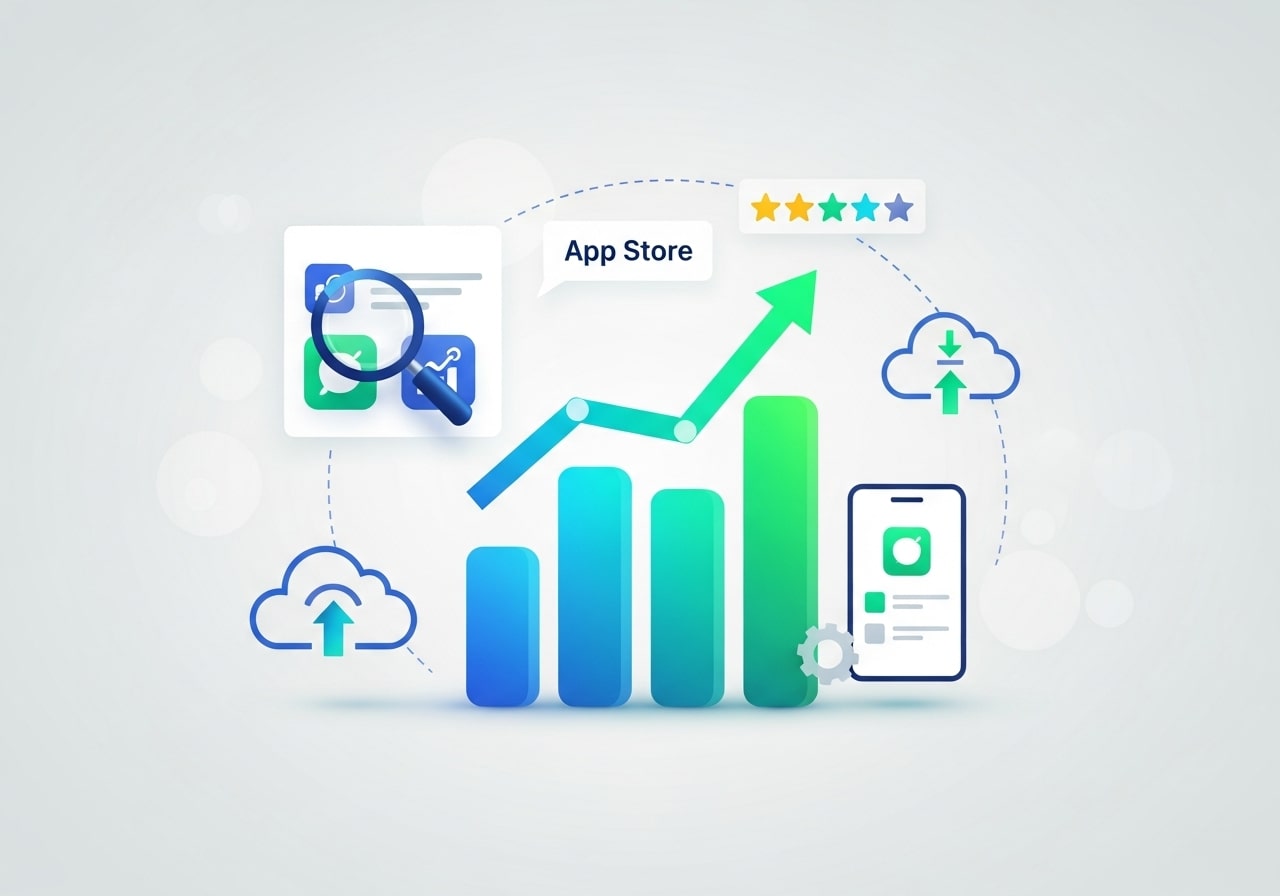
Think of App Store Optimization (ASO) as SEO for mobile apps. ASO is the process of optimizing your app to rank higher in an app store’s search results.
Key Elements of ASO:
- App Title & Description: Include relevant keywords that describe your app while keeping it catchy and concise.
- App Icon & Screenshots: Visually appealing icons and screenshots showcase your app’s functionality and benefits.
- User Reviews & Ratings: Encourage satisfied users to leave positive reviews, as this significantly impacts how your app ranks.
2. Leverage Social Media Marketing
Social media is a powerful tool for driving awareness and engagement for your mobile app. Create profiles on platforms where your target audience is most active, such as Instagram, TikTok, and Facebook.
What You Can Do:
- Share demo videos to showcase your app’s features.
- Run contests requiring users to download your app to participate.
- Collaborate with influencers to boost your app’s visibility among their followers.
Pro Tip: Use targeted ads on platforms like Facebook or Instagram to drive downloads by showcasing your app in action.
3. Invest in Paid Advertising

Paid advertising is one of the fastest ways to drive app downloads. Platforms like Google Ads and social media networks offer highly targeted ad options.
Effective Ad Campaigns for Mobile Apps:
- Search Ads on platforms like Google and Apple App Store.
- Display Ads featuring banners or interstitial ads on websites and apps.
- Video Ads to demonstrate how your app works, placed on YouTube or Instagram Stories.
4. Offer a Freemium Model
Users love free tools, and offering a freemium version of your app can attract initial traction.
How Freemium Works:
- Provide basic features for free, but encourage users to upgrade with a paid subscription for access to premium features.
- Use prompts within the app to highlight the benefits of the paid version.
This model not only increases downloads but also helps in monetization.
5. Create a Pre-Launch Buzz
One of the best times to build excitement for your app is before its launch. A well-executed pre-launch campaign ensures your target audience is ready to download your app as soon as it goes live.
Pre-Launch Strategies:
- Create a teaser video showcasing the app’s features and benefits.
- Set up a landing page to collect email signups and offer early access.
- Leverage countdowns on social media to build anticipation.
6. Engage Users with Email Marketing
Email marketing remains a highly effective strategy for mobile app marketing, especially for nurturing user engagement. Use email campaigns to educate potential users and re-engage those who’ve already downloaded the app.
Types of Emails to Send:
- Welcome emails to onboard new users.
- Feature announcements to highlight new capabilities.
- Retention emails with tips on getting the most out of the app.
7. Retarget Potential Users
How many times have you hesitated before downloading an app you found interesting? This hesitation is common, but retargeted ads can help nudge on-the-fence users to take action.
Retargeting Tips:
- Use ads focused on users who visited your app landing page but did not download.
- Promote exclusive features or limited-time offers to entice users to take the leap.
For existing users, retargeting can also encourage them to reactivate if they’ve stopped using your app.
8. Focus on Content Marketing
You can’t talk about digital marketing strategies without mentioning content marketing. A blog, video series, or even social media posts can help tell your app’s story.
How Content Marketing Helps:
- Drive organic traffic to your app via valuable, SEO-optimized content.
- Position your app as a thought leader in its niche.
- Address pain points and educate your audience.
Example: If your app is a budgeting tool, create blog posts like “5 Tips to Manage Personal Finances” and mention how your app simplifies budgeting.
9. Incentivize Referrals
Happy customers are your best advocates. Encouraging referrals can dramatically boost your app’s reach and downloads.
Referral Ideas:
- Offer rewards such as discounts, credits, or exclusive access for users who refer friends.
- Create a “share your experience” feature to make it easy for satisfied users to spread the word.
Example: Uber popularized referral codes by giving free rides to both referrers and new users.
10. Analyze and Optimize Continuously
No marketing strategy is complete without regular analytics and optimization. Monitor the performance of your campaigns to identify what’s working and what can be improved.
Key Metrics to Track:
- Download statistics.
- User retention rate.
- Conversion rates from ads or landing pages.
By staying data-driven, you can refine your strategies over time to achieve better results.
Influencer Partnerships
Partnering with influencers can amplify your app’s reach and credibility. Influencers already have established audiences that trust their recommendations. By collaborating with influencers relevant to your app’s niche, you can create authentic content that demonstrates your app’s features and benefits. Micro-influencers often deliver higher engagement rates at lower costs, while top-tier influencers provide mass visibility. Campaigns can include sponsored posts, tutorials, live streams, or app challenges. Measuring engagement, click-throughs, and conversions ensures your partnership delivers tangible results. Influencer marketing builds trust, drives downloads, and strengthens your app’s brand presence in competitive markets.
Video Marketing
Video marketing allows users to visually understand your app’s functionality, benefits, and unique features. Short-form videos for social media platforms, tutorials, or explainer videos in ads can drive higher engagement and click-through rates. Demonstrating how the app solves a specific problem or improves daily life creates an emotional connection with users. Including call-to-actions at the end of each video encourages immediate downloads. Platforms like YouTube, Instagram Reels, and TikTok are ideal for video campaigns. Consistently producing engaging and high-quality video content can increase user awareness, boost conversions, and reinforce your app’s value proposition effectively.
Push Notification Campaigns
Push notifications are a direct channel to re-engage users and encourage app usage. Personalized notifications can remind users of app features, offer promotions, or provide relevant updates. Segmenting users based on behavior, preferences, or location ensures messages are targeted and effective. Well-timed notifications improve retention without being intrusive, while overuse can lead to app uninstallations. Combining push campaigns with analytics enables testing of different messaging, frequency, and timing. Push notifications help maintain consistent engagement, drive repeat interactions, and improve conversion rates. Strategically executed, they transform one-time users into loyal, active users who regularly interact with your app.
App Localization
Expanding your app to global markets requires localization, adapting content to different languages, cultures, and regions. Localized app store listings, descriptions, and marketing campaigns enhance discoverability and user experience. Understanding local preferences, payment methods, and cultural nuances increases engagement and adoption rates. Localization goes beyond translation—it includes adapting visuals, notifications, and support systems. Apps that offer a native experience to users in each market outperform non-localized versions in downloads and retention. Leveraging analytics to track regional performance helps prioritize markets and optimize campaigns. Localization ensures your app resonates with diverse audiences, unlocking international growth opportunities efficiently.
In-App Engagement Features
Enhancing in-app engagement encourages users to spend more time within your app and increases retention. Features such as gamification, badges, progress tracking, and interactive tutorials keep users motivated and engaged. In-app messaging and surveys allow direct communication, providing insights into user preferences and satisfaction. Personalized experiences based on behavior or demographics strengthen loyalty and reduce churn. Regular updates with new features and content maintain excitement and encourage repeated use. Analytics helps identify which engagement features drive the most value. Focusing on in-app engagement builds deeper user connections, boosts retention, and maximizes the lifetime value of each user.
App Review and Reputation Management
Positive reviews and ratings are critical for app credibility and discoverability. Encouraging satisfied users to leave feedback improves app store rankings and attracts more downloads. Responding to negative reviews professionally demonstrates attentiveness and enhances trust. Implementing in-app prompts, reward systems, or post-purchase surveys encourages reviews without annoying users. Monitoring app reputation across stores and social media helps identify pain points and opportunities for improvement. Regularly updating the app based on feedback ensures users feel heard and valued. Effective reputation management fosters trust, increases organic downloads, and strengthens brand authority within competitive app marketplaces.
Affiliate Marketing Programs
Affiliate marketing leverages external partners to promote your app in exchange for commissions on installs or in-app purchases. Affiliates use blogs, websites, social media, and email campaigns to introduce your app to new audiences. This strategy expands reach without upfront advertising costs, as payment is performance-based. Choosing affiliates aligned with your app’s target audience ensures high-quality traffic and conversions. Tracking installs, engagement, and purchase behavior helps optimize affiliate partnerships. Well-managed programs create a network of motivated promoters, increasing app visibility and user acquisition. Affiliate marketing can become a sustainable, cost-effective growth channel when executed strategically.
Community Building and Engagement
Creating an engaged community around your app strengthens loyalty and encourages organic growth. Platforms like Discord, Reddit, or in-app forums allow users to share experiences, ask questions, and provide feedback. Hosting events, challenges, or live Q&A sessions fosters connection and active participation. Communities encourage word-of-mouth referrals and help users become advocates for your app. Listening to community feedback informs product improvements and future updates. A vibrant community enhances user retention, reduces churn, and builds a network of passionate supporters. Investing in community engagement creates long-term value and strengthens the app’s overall market presence.
Take Your Mobile App Marketing to the Next Level
Competing in the crowded app marketplace requires a well-rounded marketing strategy that combines ASO, social media, content marketing, and retargeting. Each approach plays a vital role in helping you acquire, engage, and retain users for sustained growth.
Start implementing these 10 strategies today, and watch your app’s downloads and user engagement soar. To get the most out of your efforts, ensure every campaign is fine-tuned and user-focused.
Looking for additional insights into app growth? Subscribe to our newsletter or consult with our expert team to turbocharge your app marketing strategy!
Frequently Asked Questions (FAQ)
1. What is mobile app marketing?
Mobile app marketing is the process of promoting an app to increase downloads, user engagement, and retention. It involves strategies like app store optimization, social media promotion, paid ads, content marketing, and referral programs.
2. Why is App Store Optimization (ASO) important?
ASO helps your app rank higher in app store search results, increasing visibility and attracting organic downloads. Optimizing your app’s title, description, visuals, and reviews directly impacts discoverability.
3. How can social media boost app growth?
Social media platforms allow you to showcase your app, reach target audiences, and drive engagement. Influencer collaborations, demo videos, contests, and paid campaigns can increase downloads and brand awareness.
4. What is the benefit of a freemium model?
A freemium model attracts users with free features while offering premium upgrades. It encourages downloads, engages users, and creates revenue opportunities through subscriptions or in-app purchases.
5. How does pre-launch marketing help?
Pre-launch marketing builds excitement and anticipation for your app. Teaser videos, landing pages, early access sign-ups, and countdowns ensure a strong initial download surge on launch day.
6. Why should I use email marketing for apps?
Email marketing helps onboard new users, announce features, and retain existing users. Personalized campaigns can improve engagement, retention, and long-term app usage.
7. What is retargeting, and why is it important?
Retargeting targets users who showed interest but didn’t download, or inactive users. Ads, offers, or reminders encourage them to take action, boosting conversions and engagement.
8. How can content marketing grow app users?
Content marketing educates and attracts potential users through blogs, videos, or social posts. Valuable, SEO-optimized content drives organic traffic and establishes your app as a trusted solution.
9. How do referral programs increase downloads?
Referral programs incentivize current users to share the app with friends. Rewards or exclusive access motivate users, creating organic growth and expanding your user base.
10. Why is analytics crucial for app marketing?
Analytics helps track downloads, retention, conversions, and campaign effectiveness. Data-driven insights enable continuous optimization, ensuring marketing efforts generate maximum results.