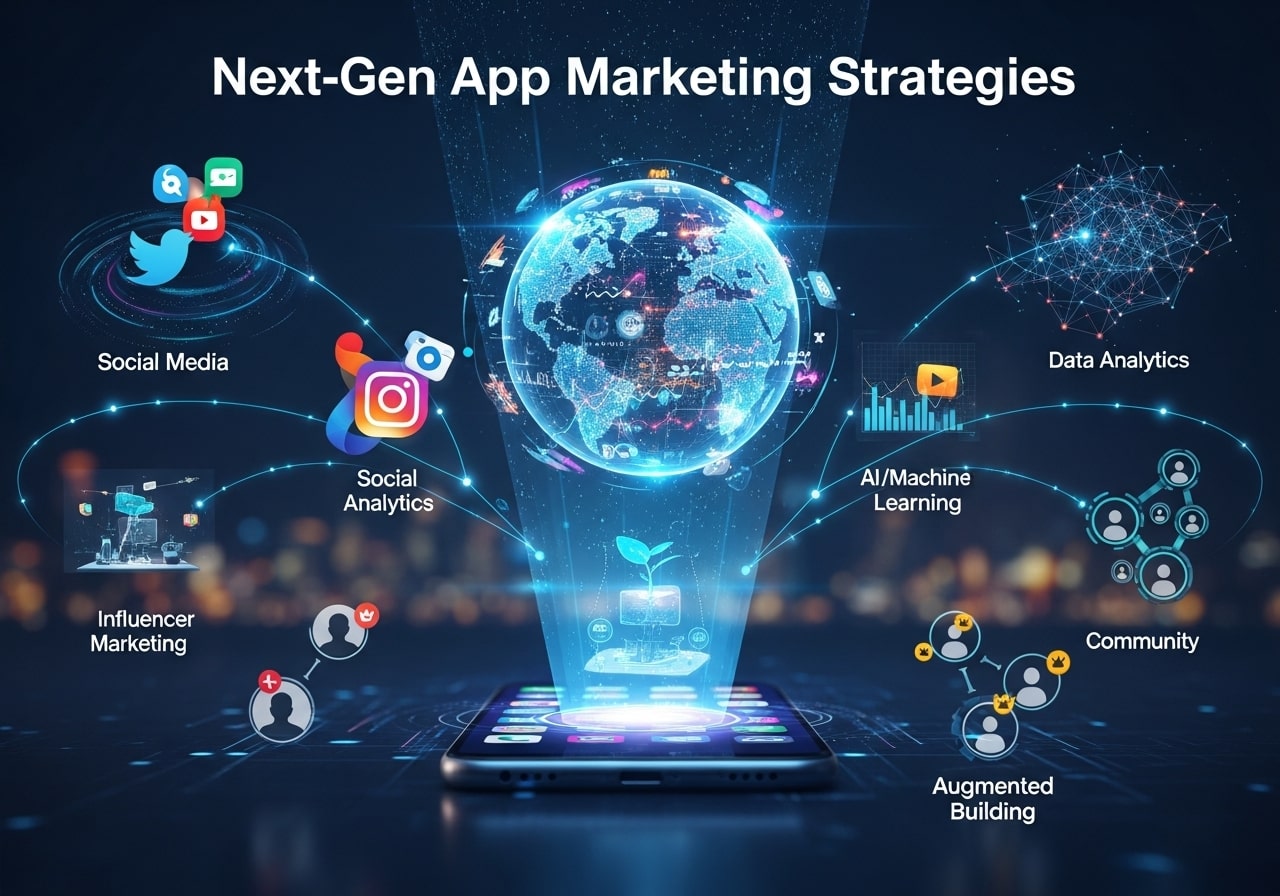
In today’s saturated mobile landscape, traditional app marketing alone is no longer enough. Next-gen app marketing combines data-driven acquisition, hyper-personalization, interactive engagement, gamification, and emerging channels to efficiently acquire, engage, and retain users.
In an increasingly saturated mobile landscape, traditional app marketing tactics no longer guarantee success. To stand out, app publishers must embrace next-generation strategies that blend data science, personalization, and innovative engagement channels. Whether you’re launching a new product or scaling an existing app, this guide will walk you through proven approaches to acquire users efficiently, foster deeper engagement, and boost long-term retention.
Understanding Next-Gen App Marketing

The modern user expects seamless experiences tailored to their behavior, preferences, and context. Next-gen app marketing revolves around three core pillars: acquisition driven by predictive analytics, hyper-personalized communication, and continuous optimization through real-time feedback loops. By aligning these pillars, marketers can reduce wasteful spend, increase user lifetime value (LTV), and cultivate a loyal customer base.
1.1 Data-Driven User Acquisition
Gone are the days of spray-and-pray advertising. Today, leading app marketers leverage machine learning models to predict which channels, creatives, and audience segments will yield the highest return on ad spend (ROAS). Key steps include:
- Collecting first- and zero-party data, such as in-app behavior, campaign interactions, and CRM touchpoints.
- Building lookalike audiences on platforms like Facebook, Google, and Snapchat using high-LTV user profiles.
- Applying multi-armed bandit experiments to dynamically allocate budget toward top-performing ads.
By continuously feeding new signals into your algorithms, you maintain a competitive edge and minimize acquisition costs over time.
1.2 Hyper-Personalization and Segmentation
Personalization goes beyond inserting a user’s name into an email. Advanced segmentation strategies include behavioral, contextual, and lifecycle-based triggers. Examples include:
- Behavioral Segments: Group users by key in-app actions like level completions, purchase intent, or session frequency.
- Contextual Messaging: Deliver notifications based on real-world signals—time of day, geolocation, or Bluetooth beacons.
- Lifecycle Campaigns: Automate welcome, onboarding, re-engagement, and win-back flows with tailored content and offers.
Hyper-personalization increases open rates, drives in-app conversions, and fosters a sense of relevance, making users more likely to stay active.
Driving Engagement with Interactive Content
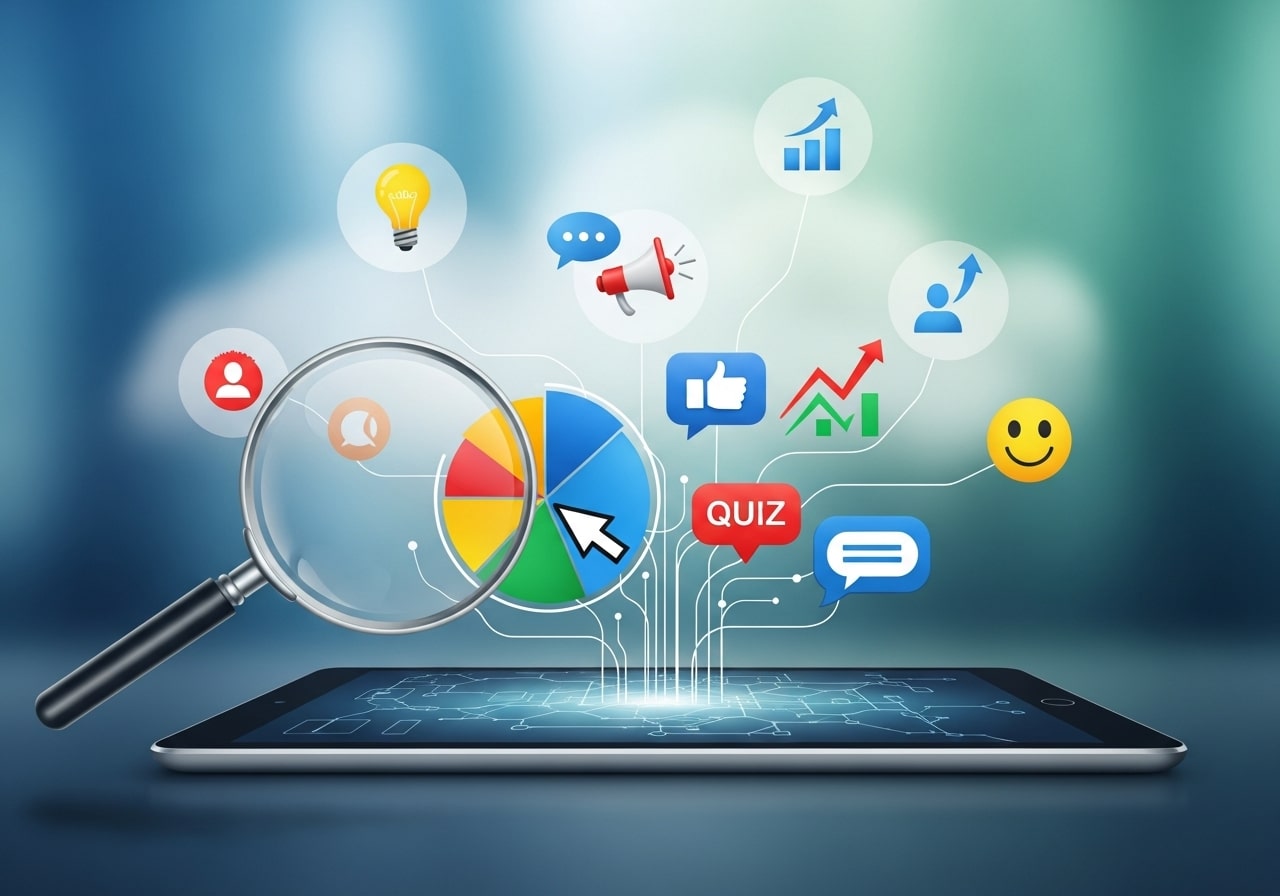
Engagement is the bridge between acquisition and retention. Interactive elements capture attention and deepen user involvement. Consider these tactics:
- Rich Push Notifications: Use emojis, images, or deep links to guide users directly to personalized offers or new features.
- In-App Surveys and Quizzes: Gather preferences, feedback, and intent signals while keeping users entertained.
- Interactive Onboarding: Replace static tutorials with step-by-step, gamified walkthroughs that reward progress with badges or discounts.
- Augmented Reality (AR) Experiences: Let users virtually try products, visualize layouts, or participate in branded mini-games.
By embedding interactive content, you transform passive installs into engaged sessions and pave the way for monetization opportunities such as in-app purchases, subscriptions, or ad interactions.
Boosting Retention through Gamification and Loyalty Programs
Retaining users costs a fraction of acquiring new ones. Gamification taps into intrinsic motivation, while loyalty programs reward continued usage. Key tactics include:
- Progress Bars and Streaks: Visual cues showing progress encourage users to return daily to maintain streaks or complete milestones.
- Points, Badges, and Leaderboards: Foster friendly competition and showcase top performers to inspire ongoing participation.
- Tiered Rewards: Offer escalating benefits—exclusive content, discounts, or early access—to users who reach loyalty tiers.
- Referral Incentives: Encourage advocates to bring friends on board with win-win bonuses for both referrer and referee.
A well-designed loyalty program can reduce churn by 20–30% and increase average revenue per user (ARPU) as users strive to unlock the next reward.
Predictive Analytics for Behavior Forecasting

Predictive analytics uses historical and real-time data to forecast user behavior, such as likelihood to purchase, churn, or engage with specific features. By leveraging machine learning models, marketers can anticipate which users are at risk of leaving and which are most likely to convert. This allows for proactive interventions like targeted promotions, personalized nudges, or adaptive onboarding flows. Predictive insights reduce wasted ad spend, improve retention, and maximize lifetime value by ensuring the right users are reached with the right message at the right time.
Real-Time Personalization Engines
Dynamic personalization adapts content, messaging, and offers in real time based on user actions, preferences, and context. Unlike static segmentation, real-time engines continuously analyze user behavior to deliver instant recommendations. Examples include personalized product suggestions, contextual push notifications, or adaptive UI changes within the app. Real-time personalization enhances user satisfaction, increases engagement, and improves conversion rates by making experiences feel uniquely tailored to each individual.
AI-Powered Creative Optimization
AI-driven creative optimization uses algorithms to automatically test and refine ad creatives, visuals, and copy. Instead of relying on manual A/B testing, AI can predict which variations will perform best for different audience segments, continuously rotating top-performing assets. This accelerates campaign performance, lowers acquisition costs, and maximizes engagement. By leveraging AI in creative workflows, marketers can ensure messaging remains fresh, relevant, and optimized for high-LTV users.
Omnichannel Engagement Strategies
Next-gen marketing integrates user experiences across multiple channels, ensuring consistency and relevance whether users interact via email, in-app notifications, social media, push notifications, or SMS. Omnichannel strategies track the user journey across devices and touchpoints, allowing marketers to orchestrate seamless experiences that reduce friction, boost retention, and increase cross-channel conversions. The key is to deliver coherent, personalized messaging at the right moment, no matter where the user is engaging.
Voice and Conversational Interfaces
Voice assistants and chatbots are emerging as powerful engagement tools. Integrating apps with voice platforms (Siri, Alexa, Google Assistant) or conversational AI enables natural interaction for onboarding, reminders, support, and product discovery. Voice and conversational interfaces create hands-free convenience, increase engagement, and capture additional behavioral data. They also open new channels for monetization and help brands stand out in a crowded mobile environment.
Advanced Retention Modeling
Retention modeling identifies patterns and predictors of user churn. By segmenting users based on predicted lifetime value, activity levels, and engagement patterns, marketers can design proactive retention campaigns. Techniques include cohort analysis, survival analysis, and machine learning models that trigger personalized incentives for at-risk users. This data-driven approach ensures resources are focused on users who have the highest impact on long-term growth, increasing both retention rates and revenue.
Ethical and Privacy-First Marketing
With growing scrutiny on user data, ethical marketing and privacy compliance are essential. Brands must adhere to GDPR, CCPA, and other data protection laws, ensuring transparent data collection, user consent, and secure storage. Ethical marketing also includes avoiding biased AI predictions and ensuring personalization does not exploit sensitive traits. Maintaining privacy-first practices fosters trust, strengthens brand reputation, and ensures sustainable growth in an era of heightened regulatory oversight.
In-App Behavioral Analytics and Heatmaps
In-app behavioral analytics track how users interact with your app, identifying which features are most used, where users drop off, and which flows drive conversions. Heatmaps visually represent user taps, swipes, and scrolls, revealing friction points and opportunities for optimization. By analyzing these patterns, marketers and product teams can redesign app interfaces, streamline navigation, and improve user experiences. Behavioral insights not only boost engagement but also provide actionable data to inform predictive models and personalization strategies.
Subscription and Monetization Optimization
For apps relying on subscriptions, in-app purchases, or ad revenue, optimizing monetization is crucial. Subscription optimization includes identifying the right pricing tiers, timing renewal prompts, and offering personalized incentives to reduce churn. In-app purchase strategies focus on targeting users most likely to convert with relevant offers or gamified upsells. Ad monetization can be improved through smart placement and personalized ad recommendations. By combining predictive analytics, behavioral insights, and dynamic pricing strategies, app publishers can maximize revenue while maintaining a positive user experience.
Leveraging Emerging Channels
Staying ahead means exploring new avenues where your target audience spends time. In consider:
- Short-Form Video Platforms: TikTok, Instagram Reels, and YouTube Shorts offer viral potential for creative app demos and user stories.
- Voice Assistants: Integrating with Siri, Alexa, or Google Assistant for conversational onboarding, reminders, or voice commerce.
- Connected TV (CTV): Target cord-cutters with interactive ads that drive app installs directly from the smart TV interface.
- Metaverse Spaces: Host virtual events, livestreams, or trade-show booths in gaming worlds and social VR hubs.
Experimentation is key: allocate a small portion of your budget to test viability, creative formats, and attribution before scaling successful pilots.
Measuring Success: KPIs and Analytics
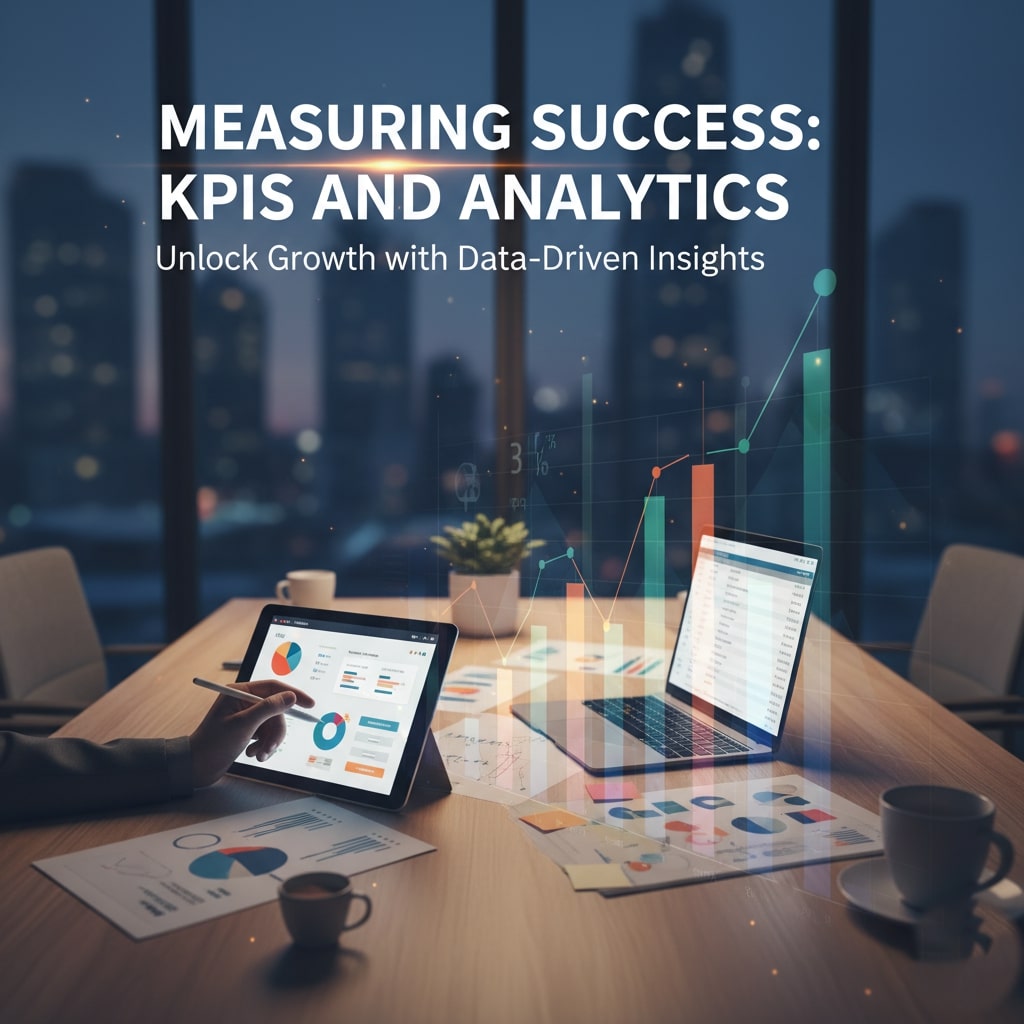
No strategy is complete without rigorous measurement. Beyond installs and clicks, track these KPIs:
- Cost Per Loyal User (CPLU): Divide total marketing spend by the number of users who complete a defined loyalty action (e.g., 7-day active streak).
- Time to First Value (TTFV): Measure the average time it takes for a new user to reach a key milestone, such as first purchase or level completion.
- Churn Rate by Cohort: Analyze retention curves for different install cohorts to identify drop-off points and optimize onboarding flows.
- Engagement Score: Create a composite metric combining session frequency, duration, and feature usage to gauge overall health.
Leverage tools like Firebase Analytics, Amplitude, Mixpanel, and custom BI dashboards to tie marketing efforts directly to revenue and lifetime value forecasts.
Conclusion
Next-gen app marketing is a holistic discipline that blends data science, creative engagement, and continuous experimentation. By adopting predictive acquisition models, hyper-personalized campaigns, interactive content, gamification, and emerging channels, you’ll position your app for sustainable growth. Remember: measure relentlessly, iterate rapidly, and always put the user’s journey at the center of your strategy. Start small, learn fast, and scale what works—your next breakout success could be just one optimization away.
FAQ: Next-Gen App Marketing
1. What is next-gen app marketing?
Next-gen app marketing combines data-driven acquisition, hyper-personalization, interactive engagement, and continuous optimization to acquire, engage, and retain users more efficiently than traditional tactics. It leverages predictive analytics, behavioral insights, and emerging channels to maximize ROI.
2. How does predictive analytics improve user acquisition?
Predictive analytics identifies high-LTV user segments, optimal ad creatives, and the best channels to invest in. By analyzing historical and real-time data, marketers can reduce acquisition costs and improve return on ad spend (ROAS).
3. What are hyper-personalized campaigns, and why do they matter?
Hyper-personalization tailors messages and offers to individual users based on behavior, context, and lifecycle stage. It drives higher engagement, open rates, and in-app conversions by making users feel understood and valued.
4. How can interactive content boost engagement?
Interactive content—such as rich push notifications, gamified onboarding, surveys, and AR experiences—transforms passive installs into active sessions. It encourages exploration, fosters emotional connections, and increases the likelihood of in-app purchases or subscriptions.
5. What role does gamification play in retention?
Gamification taps into intrinsic motivation by rewarding users with points, badges, streaks, or leaderboards. Combined with loyalty programs, it encourages repeat usage, reduces churn, and boosts average revenue per user (ARPU).
6. Which emerging channels should app marketers explore?
Short-form video platforms (TikTok, Instagram Reels), voice assistants (Siri, Alexa, Google Assistant), connected TV (CTV), and metaverse experiences are high-potential channels. Experimenting with these helps reach new audiences and create viral engagement opportunities.
7. Can small teams implement next-gen strategies effectively?
Yes. Start with one high-impact tactic, such as predictive acquisition or gamified onboarding, and scale gradually. Leveraging automation, ML tools, and third-party platforms allows small teams to achieve results without extensive resources.
8. How often should I optimize campaigns?
Continuous optimization is key. Analyze performance daily or weekly, A/B test messaging and creatives, and adjust budget allocation based on real-time signals to maximize ROI and user retention.
9. Is next-gen app marketing suitable for all app types?
Absolutely. Gaming, e-commerce, fintech, fitness, education, and social apps can all benefit by personalizing experiences, enhancing engagement, and retaining users longer through data-driven strategies.
11. What is the difference between traditional and next-gen app marketing?
Traditional app marketing focuses mainly on installs and basic engagement metrics, often relying on broad campaigns and manual segmentation. Next-gen app marketing leverages predictive analytics, real-time personalization, gamification, and emerging channels to drive higher LTV, retention, and overall ROI.