
Boost App Growth with Interactive Video Marketing Tactics
 13 min read
In today’s saturated app ecosystem, simply releasing a new product into the marketplace is no longer enough to capture user attention or sustain growth. Traditional promotional videos and static ads can inform, but they often fail to fully engage prospective users who expect more immersive, personalized experiences. Interactive video marketing emerges as a game-changer by inviting viewers to actively participate in the narrative, explore distinct features, and respond to on-screen prompts without ever leaving the video player.
Currently, competitive pressure is at an all-time high as countless apps compete for downloads, session time, and in-app purchases. By weaving clickable hotspots, branching paths, integrated quizzes, and in-video calls-to-action (CTAs) into your visual content, you transform passive viewers into invested prospects who are more likely to install and engage with your app. Moreover, interactive video marketing provides a wealth of analytics—ranging from click-through heatmaps to drop-off timestamps—enabling agile optimization of your messaging and creatives.
In today’s digital landscape, harnessing interactive video marketing this year (2026) can spell the difference between a moderate campaign and a runaway success. Throughout this guide, we’ll explore why interactivity matters, outline proven tactics to boost engagement, review leading platforms, share best practices for implementation, and reveal methods for measuring performance and anticipating future trends. Whether your primary goal is to drive app installs, accelerate user onboarding, or upsell premium features, the strategies presented here will equip you to leverage interactive video marketing effectively and sustainably.
Why Interactive Video Marketing Matters for App Growth
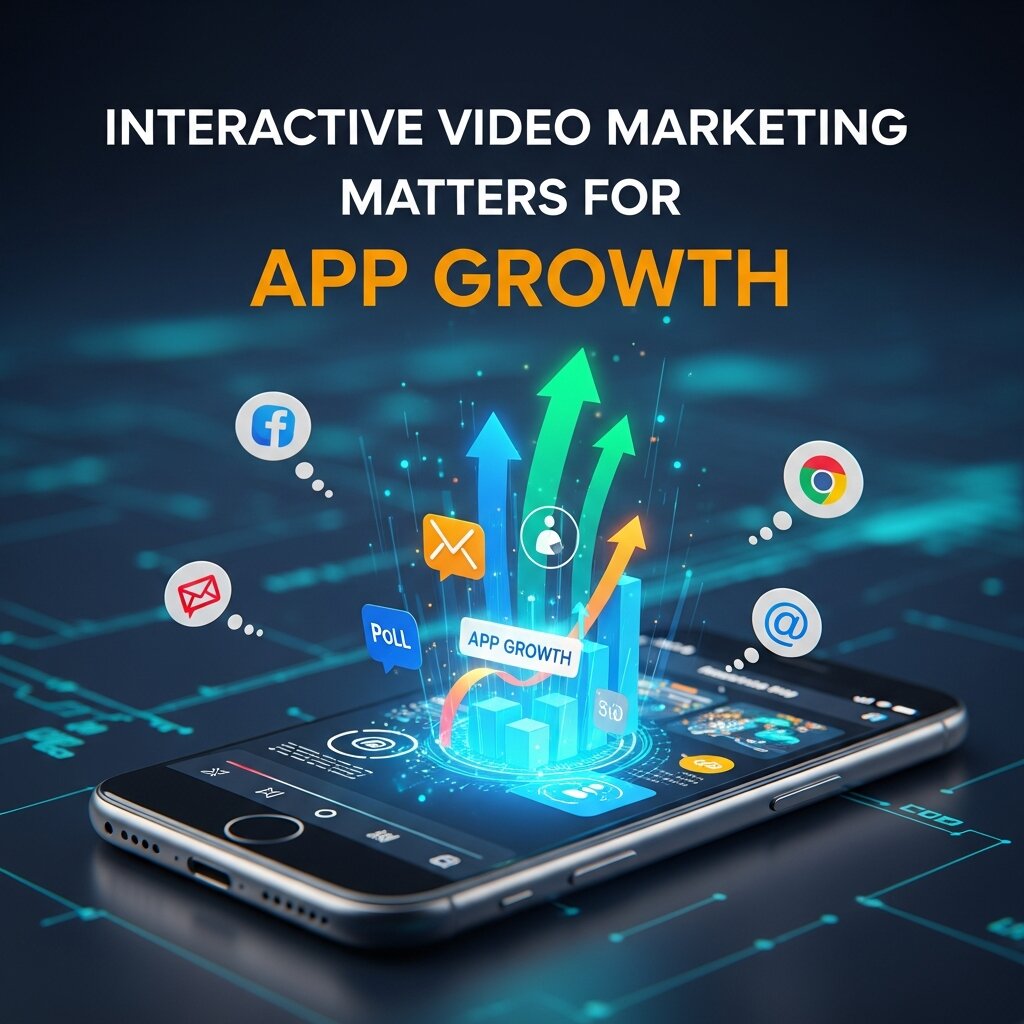 At its core, interactive video marketing bridges the gap between content consumption and user action by layering dynamic elements atop core video footage. Unlike passive content that viewers may skim or skip, interactive videos encourage exploration. Whether users click on a hotspot to reveal more information, choose among branching storylines to dive into relevant features, or answer a quick poll to shape their experience, each interaction deepens engagement. Studies show that interactive elements can boost viewer retention by up to 70 percent compared to standard video formats, a statistic confirmed by research from the Pew Research Center.
Enhanced engagement is only the beginning. Interactive video marketing offers inherently higher conversion potential because calls-to-action are embedded directly within the content. Viewers can start a free trial, download a demo, or complete an in-video form without navigating away from the player. By reducing clicks and page loads, you minimize friction in the user journey. This streamlined path translates into measurable improvements in install rates, signups, and monetization efforts.
Importantly, interactive video provides a feedback loop powered by robust analytics. Marketers can monitor click-through rates on individual hotspots, track branching path selection percentages, and assess completion rates for quizzes or forms. These rich data points reveal exactly which features resonate, where viewers hesitate, and how to refine messaging. For mobile apps, this insight is invaluable for iterative product development and targeted marketing—aligning user needs with feature roadmaps.
Another advantage of interactive video marketing lies in personalization. By segmenting viewers based on their interactions, you can deliver tailored follow-up content or nurture campaigns. For example, users interested in premium security functions might see case studies or tutorials focused on data protection, while power users could receive advanced feature walkthroughs. With personalization, your app’s value proposition feels highly relevant, increasing the likelihood of adoption and long-term retention.
Finally, interactive video is uniquely suited to mobile-first audiences. Modern interactive platforms ensure that hotspots, buttons, and branching options are thumb-friendly and responsive across screen sizes. In today’s digital landscape, where smartphone usage dominates, designing with mobile interactivity in mind creates a seamless viewing experience that meets users where they are. As you pivot to more dynamic storytelling this year (2026), interactive video marketing stands out as a strategic tool to differentiate your app and drive sustainable growth.
Proven Tactics to Enhance Engagement
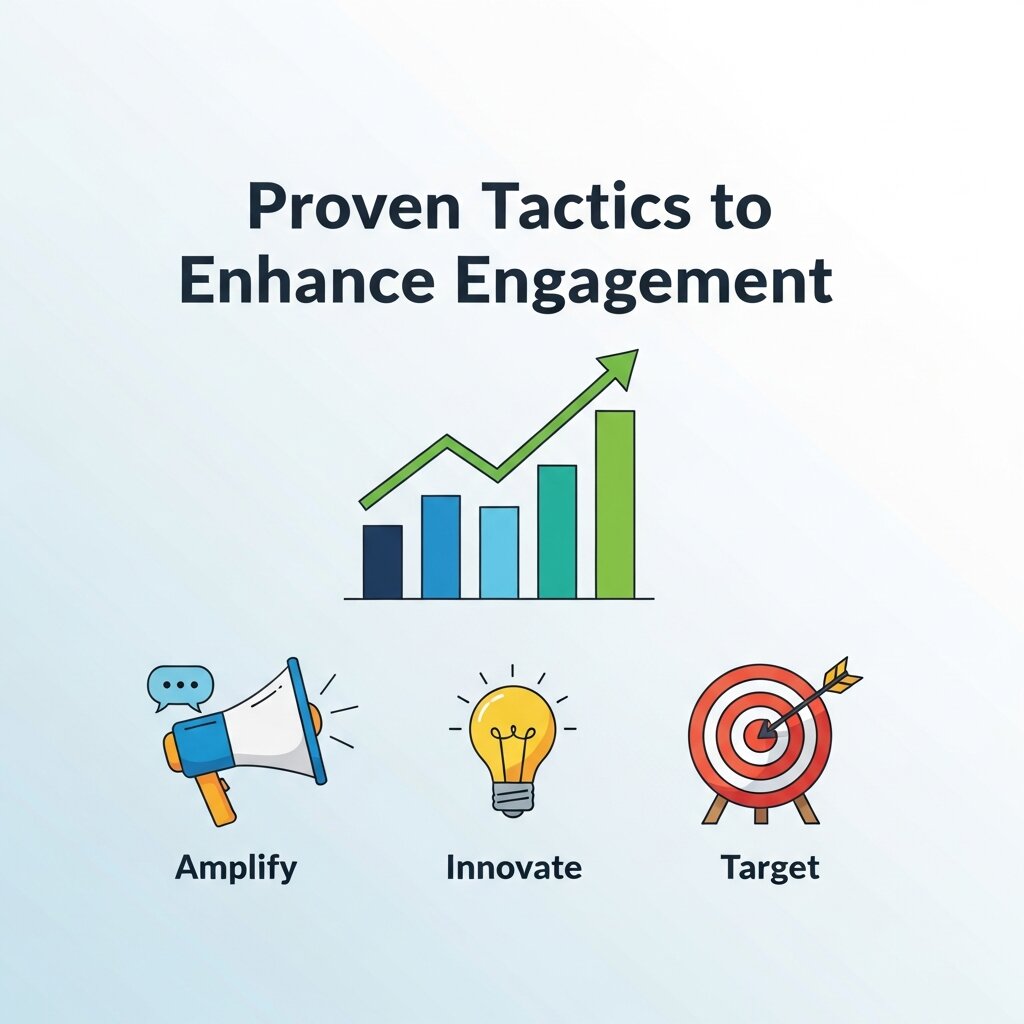 To leverage interactive video marketing effectively, you need to implement proven engagement tactics that resonate with modern audiences. Below are four core methods that have demonstrated success in driving app installs and deepening user interest through active participation.
Branching Scenarios
Branching scenarios empower viewers to control their experience by selecting content paths that align with their interests. For app demos, you can offer choices like ‘Explore Social Sharing,’ ‘Test In-App Purchasing,’ or ‘Discover Customization Options.’ Each selection triggers a tailored video segment focusing on the chosen feature. This approach heightens relevance and ensures that users receive information most valuable to them. Branching paths also encourage multiple viewings, as curious prospects often revisit the video to explore alternate branches, boosting overall engagement metrics.
Clickable Hotspots
Embedding clickable hotspots on UI mockups, screen recordings, or key frames transforms a passive video into an interactive playground. When viewers tap a hotspot, they might trigger a tooltip explaining a feature, open an overlay with additional details, or navigate to a dedicated landing page. Hotspots guide users to explore complex interfaces at their own pace, ensuring they digest information in manageable, actionable bites without leaving the video environment.
In-Video Forms and CTAs
Integrating forms and calls-to-action directly into your video eliminates the need for external landing pages. You can prompt viewers to ‘Start Your Free Trial,’ ‘Download Now,’ or ‘Subscribe for Updates’ right when they reach a high-interest moment—such as after seeing a customer testimonial or a key benefit demonstration. In-video forms reduce friction by requesting minimal information, making it easier for prospects to convert on the spot. This frictionless flow often yields higher completion rates than traditional post-video CTAs.
Quizzes and Polls
Short, interactive quizzes and polls can both engage viewers and provide valuable segmentation data. For example, a quick quiz might ask users about their primary pain point—budgeting, collaboration, or personalization. Based on responses, you can offer tailored follow-up content, such as feature deep dives or dedicated tutorials. Polls also serve as sentiment gauges, helping product teams prioritize roadmap items by collecting direct audience feedback. Incorporating these elements fosters a two-way dialogue, making your video content feel more like an interactive conversation.
By combining these tactics within the same video framework, you build a multifaceted interactive experience that educates, engages, and converts viewers. When executed thoughtfully, each interactive layer adds value, supports your app’s narrative, and guides prospects through a seamless conversion funnel.
Top Tools and Platforms for Interactive Video Campaigns
 Selecting the right technology can streamline production, simplify analytics, and scale your interactive video marketing efforts. Below are leading platforms to consider this year (2026):
- Vimeo Interactive: Branching paths, customizable hotspots, detailed insights on viewer behavior, and seamless embedding for both web and mobile. Vimeo’s reputation for high-quality playback ensures smooth user experiences.
- Wistia: Turnstile email collectors, time-based CTAs, heatmaps illustrating engagement moments, and integration with major CRM systems. Wistia offers a marketer-friendly interface that simplifies interactive video creation.
- H5P: An open-source framework that supports interactive video features like quizzes, drag-and-drop tasks, and pop-up text. Ideal for education-driven apps and organizations with developer resources.
- Vidyard: Personalized video landing pages, in-video forms, CRM integrations, and A/B testing capabilities. Vidyard’s analytics dashboard provides granular data to optimize each campaign element.
When evaluating Vimeo Interactive, note that its branching logic supports unlimited decision points, making it suitable for complex decision trees in fintech or enterprise apps. Wistia’s engagement graph, on the other hand, visualizes exactly when and where viewers stop watching or engage, guiding you to refine video length and placement of interactive elements.
For open-source enthusiasts, H5P integrates seamlessly with content management systems like WordPress, Canvas, and Moodle, offering cost-effective customization without vendor lock-in. Developers can extend its library with custom plugins or themes.
Vidyard’s platform stands out for its personalization capabilities; you can dynamically populate video frames with viewer data pulled from your CRM, delivering a one-to-one experience that feels uniquely tailored. This level of personalization often yields double-digit lift in click-through rates and conversion. Video personalization is a trend that continues to rise, as indicated by recent white papers from research institutions like MIT.
Many of these platforms offer free trials or limited-feature plans, enabling you to experiment with interactive video marketing before committing to a subscription. Additionally, some solutions provide extensive documentation and community support. For best practices on video accessibility and analytics, you can refer to guidelines published by Digital.gov, which covers government standards for inclusive digital media.
Integrating interactive video into your app growth strategy is easier when you choose a platform that aligns with your technical expertise, budget, and scalability needs. Consider factors such as mobile responsiveness, customization options, ease of embedding, and depth of analytics. The right tool will not only streamline production but also provide actionable insights to drive continuous improvement.
Best Practices for Successful Implementation
Before launching your first interactive video campaign, establish clear goals. Are you aiming to drive installs, boost trial sign-ups, or increase feature adoption? Define specific KPIs to measure success against those objectives.
- Keep It Concise: Aim for 1–3 minutes. Too long, and viewers drop off; too short, and you miss depth. Interactive video marketing thrives on succinct, engaging content.
- Mobile-First Design: Ensure hotspots and CTAs are easily tappable with sufficient padding. Test on various screen sizes to confirm responsive behavior and seamless mobile interaction.
- Strategic CTA Placement: Position CTAs immediately after major benefits or emotional peaks in the narrative. Use contrasting colors that align with your app’s branding to capture attention.
- A/B Test Variations: Experiment with different branching paths, button copy, and design layouts. Use your platform’s analytics to compare which version yields the highest conversion rate.
- Maintain Brand Consistency: Match fonts, colors, and voice to your overall UX/UI style guide. Consistent branding fosters trust and reduces cognitive friction for users.
- Optimize for Accessibility: Add captions, ensure high contrast for interactive elements, and support keyboard navigation to make your videos inclusive to all viewers.
Cross-functional collaboration between marketing, product, and design teams ensures that interactive elements accurately reflect the app’s functionality and user interface. Early involvement of UX designers helps maintain intuitive navigation within the interactive video, reducing the learning curve for new users.
Consider language localization if your app targets a global audience. Interactive text labels, tooltips, and voiceovers can be translated to resonate with local markets. Many interactive platforms support multi-language tracks, so leverage this feature to maximize engagement in diverse regions.
To accelerate iteration, maintain a modular asset library with reusable clips, graphics, and interactive templates. This approach shortens production cycles for future updates, especially when announcing new features or seasonal promotions, keeping your content fresh and relevant.
Measuring Impact and Emerging Trends
 Tracking the right metrics is essential for evaluating the success of your interactive video marketing campaigns. Core performance indicators include:
- Engagement Rate: The percentage of viewers who interact with at least one hotspot, form, or quiz element calculates how captivating your content is.
- Click-Through Rate (CTR): The ratio of in-video CTA clicks to total views measures the effectiveness of your call-to-action placement and copy.
- Completion Rate: The percentage of viewers who watch the entire interactive sequence, indicating overall content quality and narrative flow.
- Conversion Rate: The proportion of interactions that lead to installs, sign-ups, or desired actions within the video, reflecting the direct impact on your growth objectives.
- Drop-Off Points: Analytics pinpoint the exact moments where users disengage, allowing you to optimize pacing, messaging, or interactive elements.
By analyzing these metrics through your interactive video platform, you gain deep insights into user behavior. For example, heatmaps reveal which screen regions attract the most clicks or hovers, guiding you to refine hotspot placement or highlight critical features more prominently.
Looking ahead, interactive video marketing is poised to merge with emerging technologies. Augmented reality (AR) overlays will enable prospective users to visualize app features in their physical environment, creating immersive onboarding experiences. Shoppable videos will allow in-app purchases directly from interactive hotspots, making it seamless for users to buy digital goods or upgrade subscription tiers.
Artificial intelligence–driven personalization represents another frontier. AI algorithms will adapt video content in real time, customizing narratives and recommendations based on each viewer’s behavior and preferences. These innovations will elevate interactivity, further closing the loop between engagement and conversion.
For best practices on data management, privacy, and accessibility standards, refer to official guidelines at Digital.gov. By combining rigorous measurement with foresight into future trends, you can continuously refine your interactive video marketing strategy, ensuring that your app remains ahead of the curve in today’s competitive landscape.
FAQ: Interactive Video Marketing for App Growth
What is interactive video marketing?
Interactive video marketing is a strategy that allows viewers to engage directly with video content through clickable elements such as hotspots, quizzes, branching paths, and in-video CTAs. It transforms passive watching into active participation, improving engagement and user experience.
How does interactive video help increase app installs?
By embedding CTAs like “Download Now” or “Start Free Trial” directly inside the video, users can take action instantly without leaving the player. This reduces friction and significantly improves conversion rates compared to traditional videos.
What features should an interactive video include?
Key features include clickable hotspots, branching storylines, in-video forms, quizzes, polls, and personalized CTAs. These elements make the content more engaging and guide users through a tailored journey.
Is interactive video marketing suitable for all types of apps?
Yes, it works well for most app categories—including gaming, fintech, eCommerce, and SaaS. The approach can be customized based on the app’s target audience and goals.
Which metrics should I track for performance?
Important metrics include engagement rate, click-through rate (CTR), completion rate, conversion rate, and drop-off points. These insights help optimize both content and strategy.
Are interactive videos mobile-friendly?
Modern interactive video platforms are designed for mobile-first experiences. They ensure that buttons, hotspots, and navigation elements are responsive and easy to use on smaller screens.
What are common mistakes to avoid?
Avoid overloading the video with too many interactive elements, making videos too long, neglecting mobile optimization, and failing to track performance data. Simplicity and clarity are key.
How can I get started with interactive video marketing?
Start by defining your goal (e.g., installs or sign-ups), choose a platform like Vimeo or Wistia, create a short engaging video, and add simple interactive elements such as one CTA or hotspot. Then test and optimize based on performance data.
Conclusion
Interactive video marketing offers app developers and marketers a compelling way to cut through the noise, engage prospects meaningfully, and drive tangible growth metrics—downloads, sign-ups, and retention. By incorporating branching scenarios, hotspots, in-video forms, and quizzes, you create an immersive experience that retains attention and reduces barriers to conversion. Selecting the right platform, adhering to best practices around mobile-first design and accessibility, and establishing clear KPIs ensures effective implementation.
Today, as user expectations evolve and competition intensifies in app stores, integrating interactive video marketing into your growth playbook is not just an option but a strategic imperative. Use the insights and tactics outlined in this guide to launch your first interactive campaign this year (2026). Continually analyze engagement metrics, iterate on your creative elements, and anticipate emerging trends like AR integration and AI-driven personalization.
Read more about this topic: Boost App Installations: AI-Driven Cross-Channel Automation


App Store Optimization Tips for Improving App Visibility and Downloads

AI-Powered App Marketing: Boost Acquisition & Retention

Supercharge App Growth with AI-Powered Chatbots