Introduction
In today’s mobile-first world, users expect apps to anticipate their needs and deliver timely, relevant content. Contextual marketing bridges the gap between generic messaging and hyper-personalization by leveraging user data, behavior, and environment to trigger real-time experiences. By delivering the right message at the right moment, contextual marketing can significantly improve engagement, retention, and conversion rates. In this comprehensive guide, we’ll explore strategies, tools, and best practices for implementing contextual marketing in your mobile app.
What Is Contextual Marketing?
Contextual marketing uses real-time information about a user’s behavior, location, device state, and preferences to tailor content and offers. Unlike static campaigns that target broad segments, contextual marketing dynamically adapts to each user’s context, delivering messages that feel personal and meaningful. Key data sources include app interactions, geolocation, time of day, purchase history, and referral channels.
Why Real-Time Experiences Matter
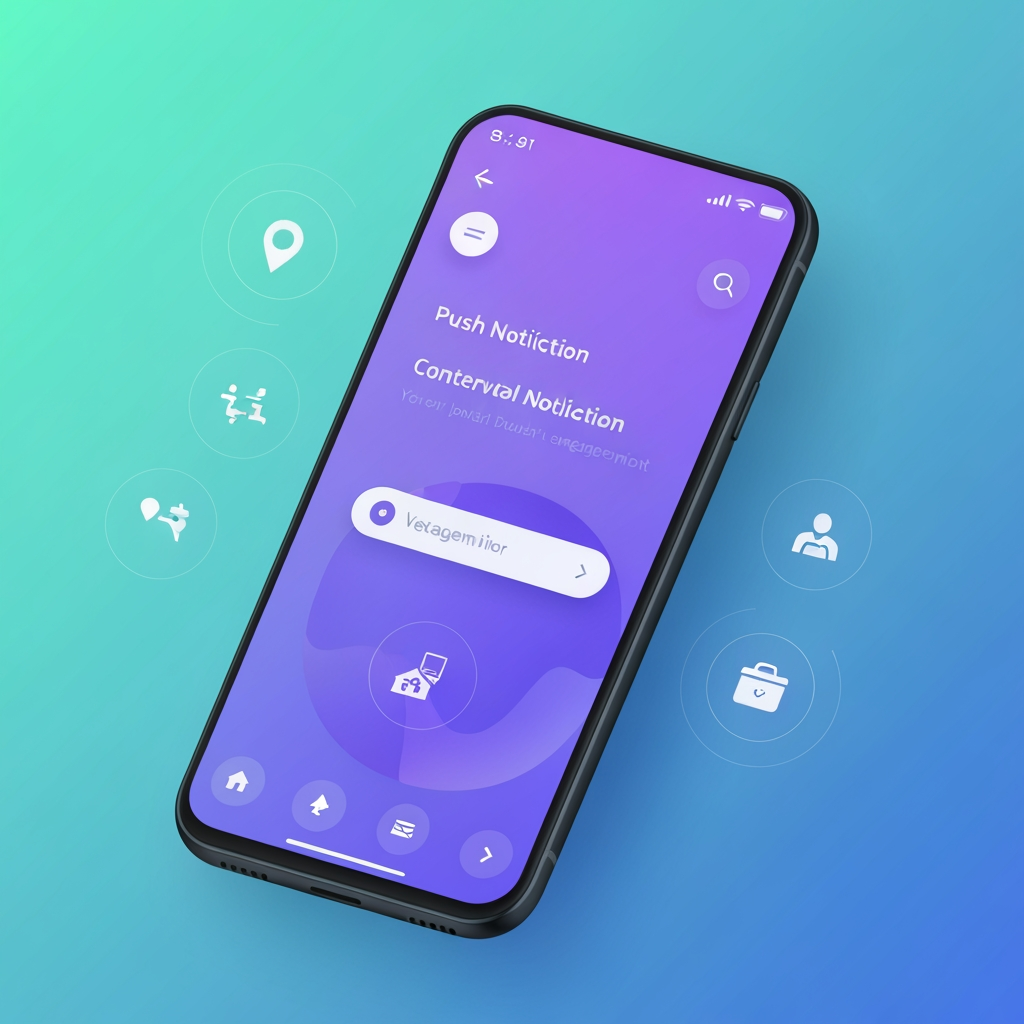
Real-time experiences tap into a user’s immediate mindset, increasing relevance and reducing friction. When users receive a push notification about a flash sale just as they open the app, or a reminder to resume an abandoned workflow, they perceive the brand as attentive and helpful. Statistics show that personalized, real-time messages can boost open rates by up to 50% and increase in-app conversions by over 30%.
Data Sources and User Triggers
Effective contextual marketing relies on diverse data sources. Behavioral triggers include session length, feature usage, and in-app purchases. Environmental triggers leverage geolocation, network connectivity, and device battery level. Demographic data and past interactions further refine targeting. By combining these signals, marketers can define precise trigger conditions, such as sending a tutorial when a user first encounters a new feature or offering a discount when they enter a specific store location.
Mapping the Customer Journey
Understanding the user journey is crucial for deploying contextual campaigns. Start by defining key stages: acquisition, onboarding, engagement, retention, and advocacy. For each stage, identify critical touchpoints where real-time interventions can influence behavior. Example touchpoints include first app launch (welcome message), feature discovery (in-app tips), inactivity periods (reactivation offers), and milestone achievements (reward notifications).
Crafting Personalized Messages
Message relevance hinges on tone, content, and timing. Use natural language that reflects the user’s context. Incorporate dynamic fields, such as the user’s name, recent activity, or location-based details. A/B test headlines, copy length, and call-to-action buttons to optimize performance. Keep messages concise and action-oriented, guiding users to the next step with clear value propositions.
Best Practices for Timing and Frequency
Striking the right balance between helpful and intrusive is essential. Schedule messages based on user habits and time zones. Avoid sending notifications during sleeping hours or prolonged inactivity. Leverage quiet hours and respect do-not-disturb settings. Limit frequency by grouping related updates into a single digest rather than bombarding users with multiple alerts.
Leveraging Geolocation and In-App Behavior
Location-based triggers are powerful for driving foot traffic and local engagement. For retail apps, send a coupon when a user browses nearby stores. For travel apps, recommend attractions based on current GPS data. In-app behavior, such as scrolling patterns or feature exploration, can trigger contextual tooltips or tutorials, guiding users to valuable functions they might have missed.
Utilizing AI and Machine Learning
AI algorithms can analyze large volumes of user data to predict intent and automate contextual triggers. Machine learning models identify patterns in usage and recommend content or offers with high conversion probability. Integrating AI-driven personalization engines allows you to continuously optimize timing, message content, and segmentation without manual rule updates.
Case Study: E-commerce App
An international fashion retailer implemented contextual marketing by tracking browsing history and cart abandonment events. When users viewed premium handbags but didn’t purchase, they received limited-time discount offers upon returning to the app. By tailoring promotions to each user’s interest and sending notifications during peak browsing hours, the campaign increased cart recovery by 42% and boosted average order value by 18%.
Case Study: Gaming App
A mobile game used contextual triggers based on in-game achievements and downtime. Players who reached a new level received congratulatory messages with bonus rewards, while those inactive for 48 hours got re-engagement offers with special items. This strategy reduced churn by 25% and improved daily active user metrics, demonstrating the impact of timely, context-aware communications in gaming environments.
Tools and Platforms
Several platforms specialize in contextual and real-time marketing for mobile apps. Leading solutions include Braze, Leanplum, OneSignal, Airship, and Firebase Cloud Messaging with remote config. Evaluate each platform’s capabilities in analytics, segmentation, A/B testing, and automation. Ensure seamless integration with your app’s tech stack and data warehouse for unified user profiles.
Privacy and Compliance Considerations
Collecting and using personal data requires adherence to privacy regulations such as GDPR, CCPA, and local laws. Obtain explicit user consent for location tracking and personalized messaging. Provide clear opt-out options and transparent data usage policies. An ethical approach to data fosters trust, reducing uninstalls and negative reviews.
Measuring Success with KPIs
Track key performance indicators like open rate, click-through rate, in-app conversion rate, session length, and retention cohorts. Use event-based analytics to measure the lift generated by contextual campaigns versus control groups. Monitor long-term metrics like lifetime value to ensure that short-term boosts translate into sustained growth.
Challenges and How to Overcome Them
Common challenges include data fragmentation, message fatigue, and integration complexity. Address fragmented data by consolidating user profiles in a customer data platform. Mitigate fatigue by establishing frequency caps and prioritizing high-impact triggers. Simplify integration through SDKs and APIs, partnering with vendors that offer robust developer support and documentation.
Conclusion
Contextual marketing transforms mobile app engagement by delivering personalized, real-time experiences that resonate with users. By leveraging behavioral data, geolocation, and AI-driven insights, you can craft messages that feel genuinely helpful and timely. Implement best practices for timing, frequency, and privacy compliance to build trust and loyalty. With the right strategy and tools, contextual marketing can become a cornerstone of your app’s growth and retention efforts.