
Customer experience analysis helps mobile apps understand user behavior, improve retention, reduce churn, and optimize features. By combining CX insights with social media marketing, businesses can deliver personalized experiences and attract the right audience. Apps that analyze customer interactions continuously can refine user journeys, strengthen trust, and create targeted campaigns that drive sustainable growth and long-term competitive advantage.
With millions of apps competing for attention in app stores, how do you make yours stand out? Creating a great mobile app is no longer enough; success depends on how well you understand your customers and market your app where they spend most of their time—on social media.
Pre-Launch Customer Research
Before launching any mobile app, understanding your audience is essential. Pre-launch customer research helps you validate your idea, analyze competitors, and identify gaps in the market. Surveys, beta testing, and early feedback from target users reveal what features people actually want. This step reduces risk and increases the chances of product-market fit. Apps that skip research often struggle with retention because they build based on assumptions. Gathering early insights allows you to design better onboarding, smoother navigation, and more relevant features. A research-driven launch builds a stronger foundation and prepares your marketing strategy with clear audience targeting.
Mapping the User Journey
User journey mapping visually outlines every step users take inside your app—from installation to daily usage. This process identifies friction points, confusion areas, and drop-off moments. By mapping flows such as onboarding, feature discovery, and purchases, you can refine user experience strategically. Journey maps help marketers align messaging with user behavior. For example, if users struggle to find a feature, you can highlight it in tutorials or social content. Understanding journeys improves satisfaction and ensures smoother transitions between stages. Apps that map user journeys are better equipped to deliver personalized experiences and reduce churn effectively.
Why Customer Experience Analysis Is Crucial for Mobile Apps

Understanding What Your Users Really Want
Customer experience (CX) analysis is all about understanding how users interact with your app. It helps you identify what they enjoy, what frustrates them, and how you can improve. When done right, CX analysis fosters loyalty and minimizes churn.
For example, if you notice a trend where users drop off during the onboarding process, it’s a sign your registration flow might be too complicated. By identifying pain points early and solving them, you’re likely to retain more users.
Data That Drives Decisions
Through analytics tools like Google Firebase, Amplitude, or Mixpanel, you can track:
Session duration
Navigation paths
Feature usage frequency
Drop-off rates after specific interactions
This insight not only highlights areas for improvement but also informs design updates and marketing campaigns. With data in hand, your strategy shifts from guesswork to intentionality.
Behavioral Segmentation
Not all users behave the same. Behavioral segmentation groups users based on actions such as frequency of use, preferred features, purchase patterns, and inactivity. This allows marketers to deliver tailored experiences rather than generic campaigns. For example, power users might receive advanced feature updates while inactive users get re-engagement offers. Segmenting by behavior improves engagement and conversion rates significantly. It also helps personalize push notifications and social ads. Understanding these segments ensures your marketing and UX strategies align with real usage patterns, creating a more relevant and satisfying app experience for every user.
Emotional Connection and Retention
Beyond the numbers, customer experience encompasses the emotional connection users form with your app. Positive interactions lead to loyal customers and glowing reviews, while negative ones leave you vulnerable to competitor apps.
Take Spotify as an example. Their UX is tailored for music lovers with personalized playlists, a user-friendly interface, and seamless discovery features. These touchpoints create an emotional connection, turning users into brand advocates.
Importance of In-App Feedback
In-app feedback tools allow users to share opinions instantly without leaving the app. This provides real-time insights into user satisfaction and pain points. Simple surveys, rating prompts, or quick polls help developers identify issues early. Feedback loops improve trust because users feel heard and valued. Apps that actively collect feedback can refine UX faster and prioritize updates based on user needs. It also helps prevent negative public reviews by resolving complaints internally. Listening within the app strengthens the overall customer experience and supports better decision-making for both product and marketing teams.
Social Media Marketing’s Role in Mobile App Growth
Once you’ve optimized your app’s customer experience, it’s time to bring in more users. Social media is your stage to showcase features, build a community, and tell your app’s story.
Choosing the Right Platforms
Each social media platform serves a different purpose and audience. Choose platforms where your target demographic is most active:
Instagram and TikTok: Engage younger audiences with eye-catching visuals and trends.
LinkedIn: Best for professional or B2B apps.
Twitter: Great for quick updates and engaging conversations.
YouTube: Ideal for video tutorials on complex app features.
Creating Compelling Content
To engage potential users, focus on entertaining or educational content. Highlight your app’s benefits while aligning with the platform’s vibe.
Content ideas:
Tutorial Videos: Show users how to maximize your app’s features.
User-Generated Content (UGC): Encourage users to share their experiences.
Behind-the-Scenes Stories: Share development stories, team updates, or new features.
Short-form Content: Use TikTok or Reels to demonstrate quick “problem-solution” scenarios.
Using Video to Explain App Value

Short-form and long-form videos help explain complex app features quickly. Tutorials, demos, and explainer videos improve understanding and reduce onboarding confusion. Video builds trust and increases conversion rates. Apps using video marketing see higher engagement across platforms.
Partnering With Influencers
Influencers add credibility and reach. Micro-influencers, with highly engaged audiences, are often more affordable and authentic.
For example, a fitness app might collaborate with fitness influencers to promote features like workout tracking via relatable Instagram posts or TikTok tutorials.
Influencer-Led User Trust Building
Influencer collaborations do more than generate installs—they accelerate trust. When users see familiar creators genuinely using and recommending your app, perceived credibility rises dramatically. Authentic walkthroughs, real-life use cases, and honest reviews create emotional reassurance that traditional ads often lack. This trust-driven exposure shortens the decision-making process and encourages faster adoption.
Paid Social Media Ads
Platforms like Facebook, Instagram, and TikTok allow detailed audience targeting. Use PPC campaigns to:
Highlight unique app features
Include clear CTAs (e.g., “Download Now”)
Test multiple creatives to find what works best
Retargeting Lost Users on Social Media
Retargeting campaigns help bring back users who installed your app but stopped using it. By syncing analytics data with social ad platforms, you can target inactive users with personalized reminders. Highlight new features, limited-time offers, or improvements they missed. Retargeting is cost-effective because it focuses on warm audiences who already know your brand. Apps often recover high-value users through retargeting. This strategy bridges customer experience data with social marketing to increase re-engagement and lifetime value.
Combining Customer Experience Analysis With Social Media Marketing

When you merge customer data with your social media strategy, the result is powerful, precise marketing that stands out.
Create Audience Personas Using CX Insights
Understanding your users is the foundation of successful mobile app marketing. Instead of guessing what your audience wants, use Customer Experience (CX) analysis to build clear audience personas based on real behavior, preferences, and pain points. Personas help you design targeted messaging, features, and campaigns that speak directly to the right users.
A persona is a semi-fictional profile representing a segment of your ideal users. It combines demographic data, motivations, frustrations, goals, and app usage patterns to guide marketing and product decisions.
Data-Driven Campaigns
Let your CX data guide your campaigns:
Use retention analytics to highlight loved features
Use geolocation data for regional promotions
Address recurring feedback in social media messaging
Bring Real-Time Feedback Into Play
Social media is also a feedback channel. Monitor and respond to comments to show you care. Adapt based on feedback to improve both your app and marketing.
Measuring Success
Track these CX KPIs:
Retention rate
Daily and Monthly Active Users (DAU/MAU)
App store ratings and reviews
Track these Social Media KPIs:
Conversion rate (app installs)
Engagement rate (likes, comments, shares)
Follower growth
Use this data to refine your app features, content strategy, and boost ROI.
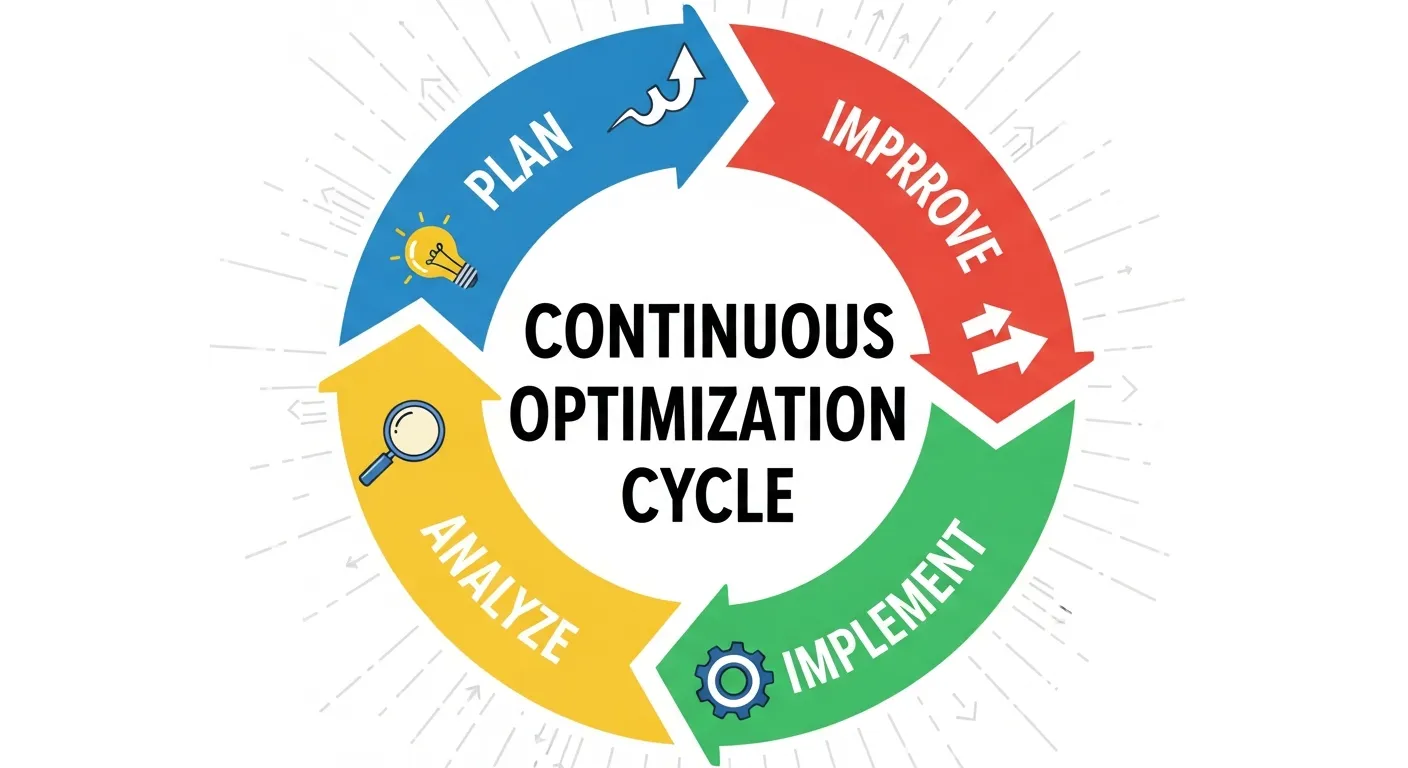
Continuous Optimization Cycle
Take Your App to the Top
By combining customer experience analysis with a solid social media marketing strategy, your mobile app can shine in a crowded market. Focus on understanding user needs and creating content that resonates.
Start applying these insights today—listen to your users and connect with them where it matters most: online.
Conclusion
Customer experience analysis is no longer optional for mobile apps—it is a necessity for survival and growth. Understanding user behavior, fixing friction points, and delivering personalized experiences directly impact engagement and retention. When combined with social media marketing, CX insights transform into powerful acquisition and re-engagement strategies. Apps that listen, analyze, and optimize continuously are the ones that dominate crowded marketplaces and build lasting user loyalty.
FAQs (SEO-Optimized)
1. What is customer experience analysis in mobile apps?
Customer experience analysis examines how users interact with every part of a mobile app to understand satisfaction, usability, and behavioral patterns. It helps identify friction points, confusing flows, and gaps that may prevent users from fully engaging with the app. This analysis enables businesses to improve user journeys and deliver smoother, more valuable experiences.
2. Why is customer experience analysis important for apps?
Customer experience analysis is essential because it directly impacts retention, engagement, and overall user satisfaction. By understanding real user behavior instead of relying on assumptions, businesses can refine features, improve navigation, and eliminate usability barriers. Apps that prioritize CX are more likely to build loyal users and outperform competitors.
3. How does customer experience analysis reduce churn?
Customer experience analysis helps detect early warning signs such as drop-offs during onboarding, declining session frequency, or inactive behavior. By recognizing these signals, businesses can intervene with personalized messages, improvements, or incentives before users abandon the app. This proactive approach significantly reduces churn and protects long-term growth.
4. Which tools help with customer experience analysis?
Popular tools for customer experience analysis include Google Firebase, Mixpanel, Amplitude, Hotjar, UXCam, and App Annie. These platforms track user behavior, session flows, engagement metrics, and feedback patterns. Using these tools allows developers and marketers to make informed decisions based on real data.
5. How does CX analysis improve onboarding?
CX analysis highlights where users face confusion or friction during registration and first-time usage. By simplifying steps, reducing unnecessary permissions, and guiding users more clearly, apps can create faster and smoother onboarding experiences. Improved onboarding leads to higher activation rates and better early retention.
6. Can customer experience analysis increase revenue?
Yes. When users enjoy a seamless and personalized experience, they are more likely to stay active, make purchases, and engage with premium features. CX improvements increase user trust and satisfaction, which directly contributes to higher conversions and stronger lifetime value.
7. How often should apps perform customer experience analysis?
Customer experience analysis should be an ongoing process rather than a one-time task. Regular monitoring helps businesses adapt to changing user behavior, market trends, and new expectations. Continuous analysis ensures your app stays relevant and competitive.
8. What metrics matter most in customer experience analysis?
Key metrics include retention rate, churn rate, session duration, feature usage, customer satisfaction scores, and onboarding completion rates. These indicators reveal how users behave, what they value, and where improvements are needed.
9. How does customer experience analysis support personalization?
By analyzing behavioral data, apps can segment users based on interests, usage frequency, and engagement patterns. This allows businesses to deliver targeted content, tailored notifications, and personalized recommendations that increase relevance and satisfaction.
10. Is customer experience analysis useful for small apps?
Absolutely. Small apps benefit greatly from CX analysis because early improvements help prevent user loss and negative reviews. Understanding user behavior from the beginning builds a stronger product foundation.
11. How does CX analysis help marketing?
Customer experience analysis reveals which features users love and what problems they care about most. Marketers can use these insights to craft more compelling campaigns, targeted ads, and stronger messaging that resonates with the right audience.
12. What happens if apps ignore customer experience analysis?
Apps that neglect CX analysis risk high churn, poor retention, negative reviews, low engagement, and lost revenue. Without understanding user behavior, improvements become guesswork, making it easier for competitors to capture dissatisfied users.