

This guide explains how to market an app effectively using proven branding, ASO, paid advertising, influencer marketing, content strategies, analytics, and retention techniques. From pre-launch preparation to post-launch growth, it offers actionable steps to boost visibility, increase downloads, improve engagement, and achieve long-term mobile app success.
Why Marketing an App Matters More Than Ever
Creating a great app is only part of the equation. If your app doesn’t get noticed by the right audience, even the most innovative features won’t matter. Good marketing ensures your app doesn’t just become another statistic in the sea of apps that rarely get downloaded beyond family and friends.
Key reasons marketing is critical include:
- Visibility in app stores where search rankings are competitive.
- User acquisition to ensure you reach your ideal audience.
- Retention to build loyalty and encourage long-term use.
Now that we’ve covered the “why,” let’s jump into the “how.”
Building a Strong Mobile App Brand Marketing Strategy
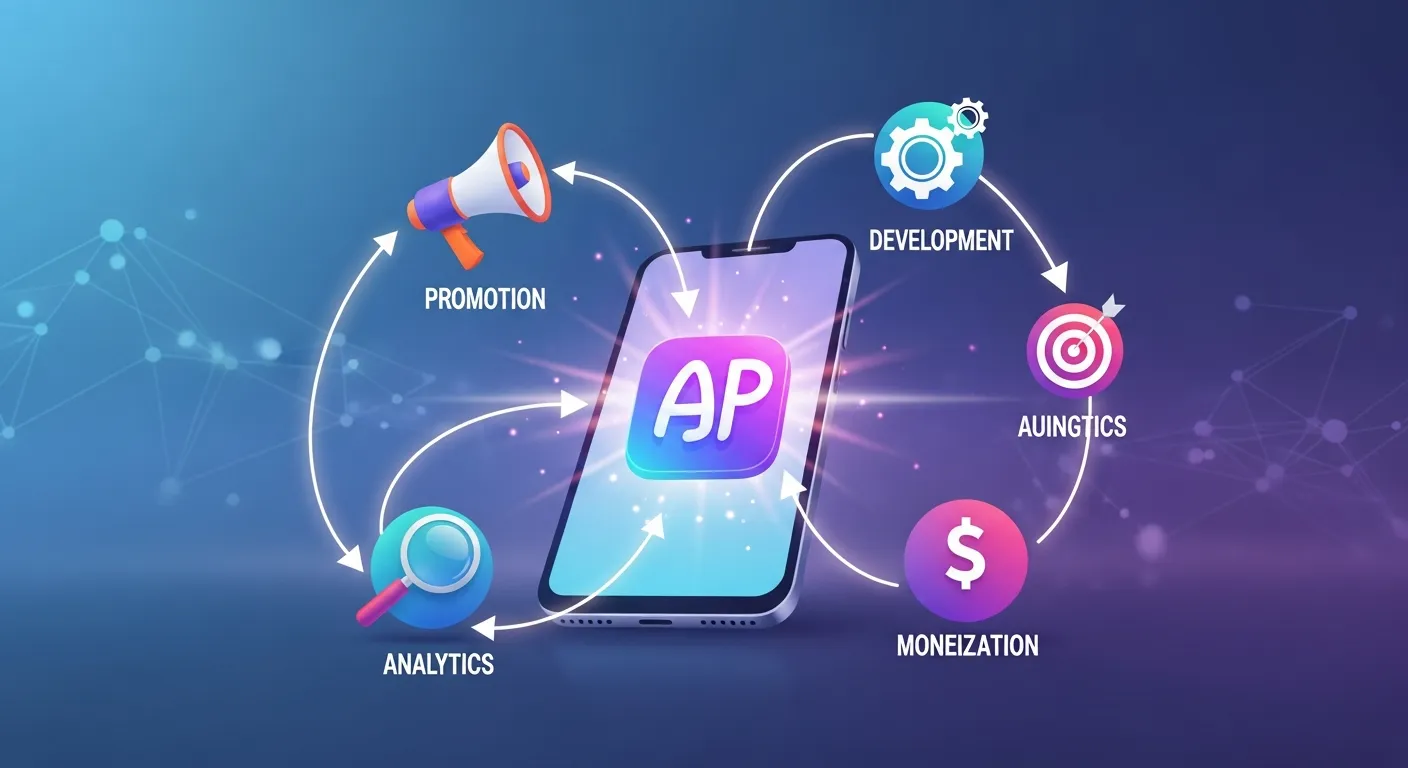
To successfully market an app, strong branding is essential. Your brand identity helps users recognize, trust, and remember your product. Consistent visuals, tone, and messaging ensure credibility and emotional connection.
Key Branding Elements:
- App logo and color identity
- Unique value proposition
- Brand tone and messaging
- User experience consistency
Benefits of Strong App Branding:
- Higher retention
- Improved credibility
- Better app store conversions
- Increased user loyalty
Branding Impact :
| Branding Factor | Impact Level | Purpose |
|---|---|---|
| Visual Identity | High | Enhances recall |
| Brand Messaging | High | Builds trust |
| UX Consistency | Medium | Improves retention |
| Emotional Connection | Very High | Builds loyalty |
Pre-Launch Strategies to Set Your App Up for Success
Marketing starts before the app even hits the market. Here’s how to prepare:
1. Define Your Target Audience
Knowing your target audience is crucial. Ask:
- Who will use my app?
- What problem does it solve for them?
Use tools like Google Analytics, Facebook Audience Insights, or Surveys to gather demographic and behavioral information. Defining a niche audience increases your chances of crafting a message that resonates.
2. Build a Landing Page
Your app needs an online presence before launch. Create a landing page that:
- Highlights the app’s features and value proposition.
- Displays screenshots of the app.
- Includes a “Notify Me” email sign-up feature to capture early interest.
Tools like Carrd, Webflow, or Squarespace make it easy to create a professional landing page.
3. Optimize Your App Store Listing (ASO)
App Store Optimization (ASO) is like SEO but specifically for app stores. Focus on:
- App Name: Use a short, catchy name with relevant keywords.
- Description: Clearly state the app’s unique features and benefits. Include keywords naturally.
- Visuals: Use eye-catching icons and screenshots to make a strong first impression.
Use tools like MobileAction or Sensor Tower to track and improve your ASO performance.
4. Build Buzz with a Soft Launch
Consider testing your app in selected markets before a formal launch. This will:
- Help you collect feedback to improve your app.
- Build early momentum with reviews and downloads.
Platforms like TestFlight (iOS) or Beta Testing can help manage this process.
5. Leverage Social Media & Content
Tease your app’s arrival on platforms like Instagram, Twitter, or LinkedIn. Using short, engaging posts or videos, showcase your app’s unique features. Use hashtags and create behind-the-scenes content to generate excitement.
Data-Driven Strategies to Accelerate Mobile App Growth
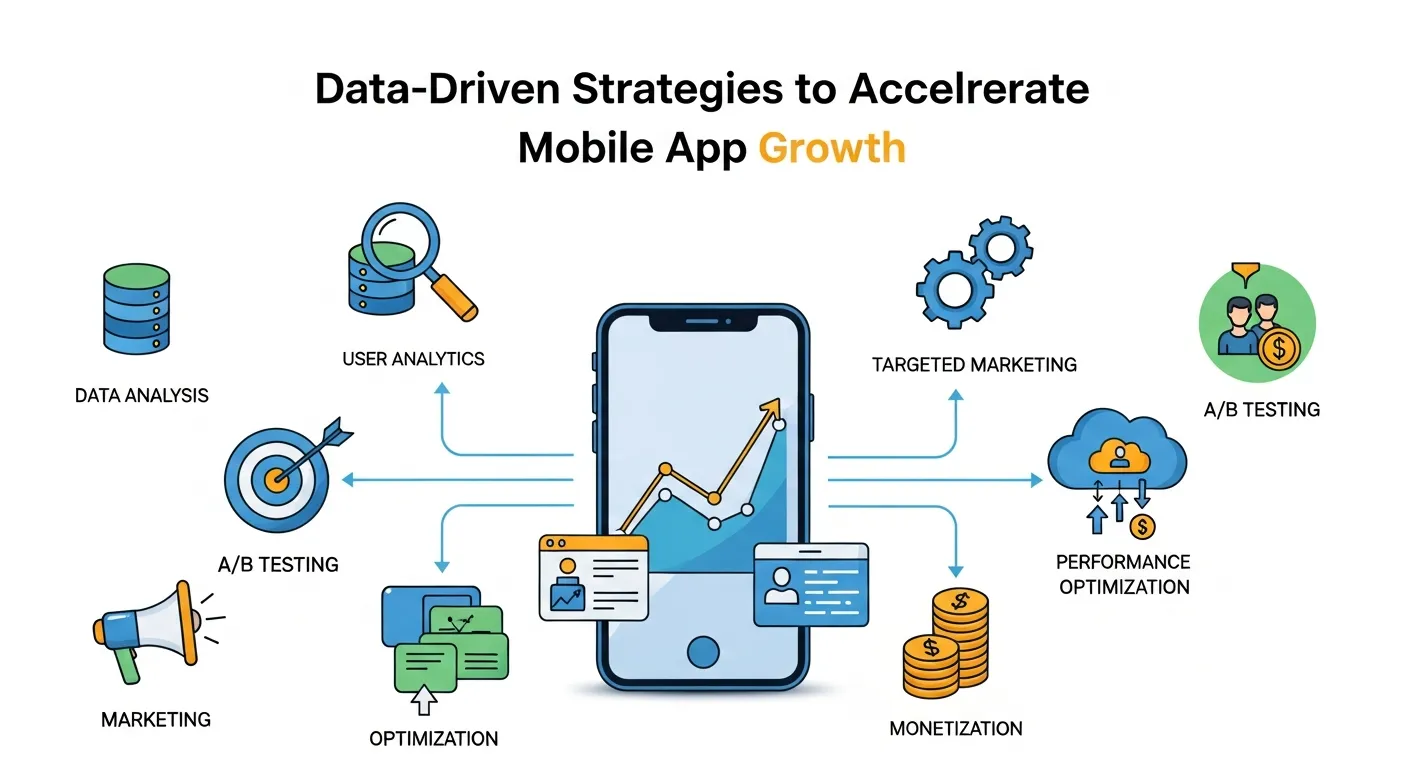
Data-driven decision-making is critical for sustainable mobile app growth. Analytics tools provide insights into user behavior, engagement patterns, and conversion performance.
Key Data Metrics:
- Daily active users (DAU)
- Retention rate
- User acquisition cost
- In-app behavior tracking
Growth Optimization Techniques:
- Funnel analysis
- Cohort tracking
- A/B testing
- Conversion optimization
Analytics Tools Comparison :
| Tool | Best Use Case | Key Feature |
|---|---|---|
| Firebase | User behavior tracking | Free integration |
| Mixpanel | Funnel optimization | Advanced segmentation |
| CleverTap | Engagement analytics | Automation tools |
| AppsFlyer | Attribution tracking | Marketing ROI |
Post-Launch Tactics for Continued Growth
Once your app is live, the real marketing push begins. Here’s how to maintain that momentum:
1. Run Paid Campaigns
Use targeted advertising on platforms like:
- Google Ads (Universal App Campaigns) to appear across search results and YouTube.
- Facebook & Instagram Ads to narrow down by age, interests, and location.
- TikTok Ads to reach a younger, trend-focused audience.
2. Engage in Influencer Marketing
Micro-influencers are perfect for app marketing because they have niche audiences. Find influencers who align with your app’s target market and collaborate with them. For example, if your app is a fitness tracker, collaborating with fitness content creators on Instagram or YouTube can generate trust and awareness.
3. Encourage Reviews and Ratings
Positive reviews are key to attracting new users. Encourage your users to leave reviews by:
- Adding non-intrusive, in-app prompts requesting feedback.
- Rewarding users for leaving reviews through discounts or in-app perks.
4. Analyze User Behavior
Use analytics tools like Mixpanel, Firebase, or CleverTap to track how users interact with your app. Identify features they use most, bottlenecks where they drop off, and retention patterns. This data informs updates and keeps users engaged.
5. Email Marketing and Push Notifications
Email campaigns can nurture relationships with your audience. Use them to send:
- Welcome emails are sent when they install the app.
- Updates about new features or improvements.
Push notifications keep users coming back. Just make sure they’re personalized and timely to avoid becoming annoying.
6. Leverage Communities & Forums
Get involved in online communities, such as:
- Reddit’s app-focused subreddits to discuss your app directly with enthusiasts.
- Facebook Groups related to your app’s niche.
Offer useful content and answer questions rather than blatantly promoting your app.
7. Collaborate with Other Apps or Brands
Partnerships can boost your app’s visibility. For example:
- A fitness app could partner with a wellness brand for cross-promotions.
- An education app could collaborate with online universities.
The Importance of a Complete Mobile App Marketing Playbook
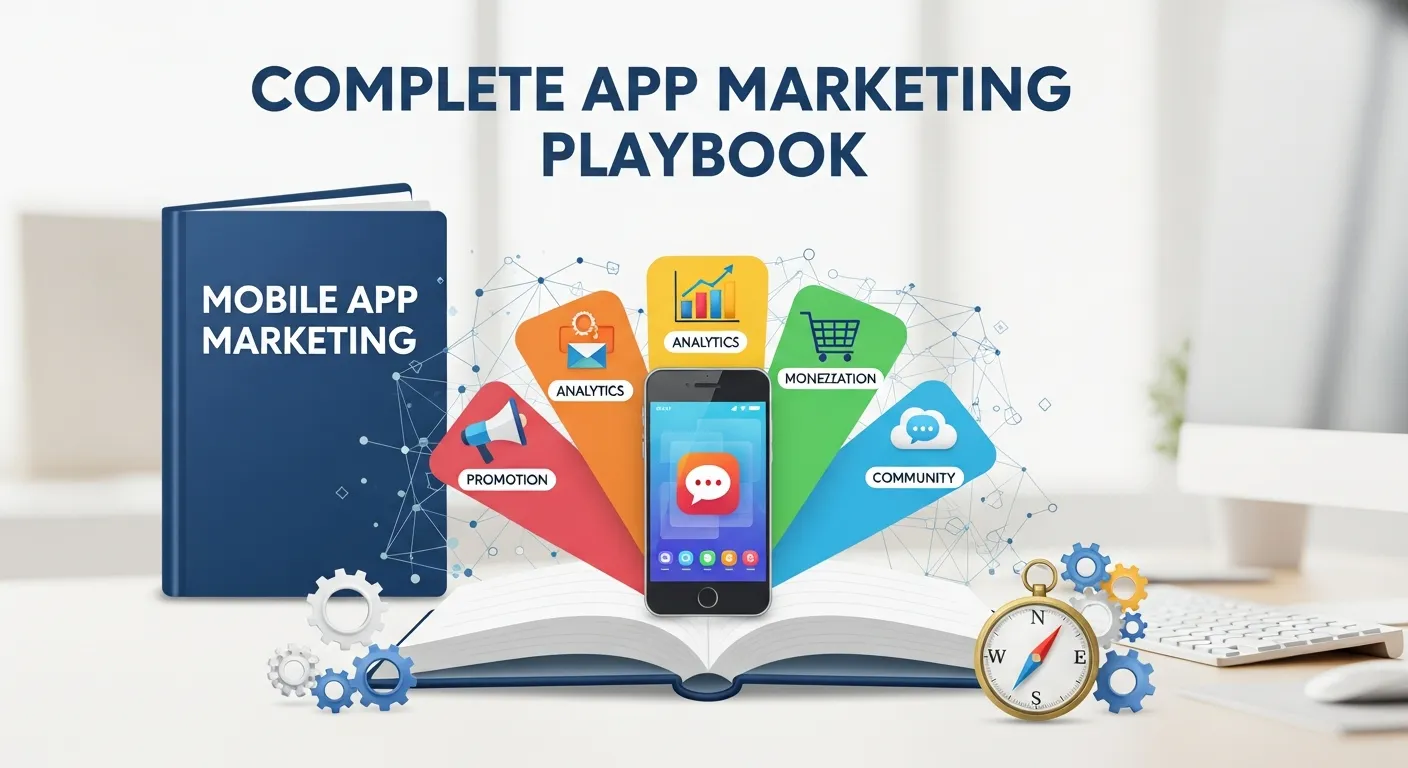
A structured mobile app marketing playbook serves as a roadmap for consistent growth. Instead of relying on isolated tactics, it integrates branding, acquisition, engagement, retention, and monetization strategies. When you market an app using a comprehensive framework, your promotional efforts become aligned and measurable. From app store optimization and influencer outreach to lifecycle email marketing and paid campaigns, a playbook ensures every activity contributes toward a common growth objective. Businesses that follow a systematic marketing approach see higher conversion rates, lower churn, and improved long-term retention. Implementing a marketing playbook helps transform scattered marketing ideas into a well-organized, performance-driven strategy that supports sustainable success.
Leveraging Mobile App Brand Marketing for Long-Term Trust
Effective mobile app brand marketing builds emotional trust and long-term loyalty. A recognizable brand encourages downloads and repeat usage. Strong brand storytelling, consistent visuals, and meaningful user engagement increase credibility in crowded app stores. When users connect emotionally with your brand, they become advocates, driving organic growth through word-of-mouth referrals. Brand-focused strategies like influencer partnerships, social storytelling, and community building create a powerful brand ecosystem. Over time, this emotional connection becomes a competitive moat that protects your app from competitors. Investing in brand marketing early ensures lasting value beyond short-term installs.
Advanced Growth Hacks to Rapidly Market an App
Growth hacking combines creativity, data, and automation to market an app faster. Referral programs, viral loops, and gamification mechanics significantly accelerate user acquisition. Push notification segmentation, onboarding personalization, and behavioral retargeting improve engagement. Leveraging app review incentives and loyalty rewards increases store visibility. By testing rapid experiments and measuring results, marketers identify scalable growth levers. Growth hacking ensures faster adoption, lower acquisition costs, and stronger user loyalty. Combined with paid ads and influencer collaborations, these advanced growth strategies amplify reach and boost sustained downloads.
The Role of Content Marketing in Mobile App Growth
Content marketing plays a vital role in driving sustainable mobile app growth. Blog posts, videos, tutorials, case studies, and social content help educate users and attract organic traffic. SEO-optimized content improves discoverability and builds authority in competitive niches. High-quality content also nurtures leads and drives conversion from awareness to install. Content-driven app marketing builds long-term traffic sources that reduce dependency on paid campaigns. With consistent publishing, brands establish expertise, enhance trust, and improve conversion performance. Over time, content marketing becomes a powerful growth engine supporting organic downloads and sustained engagement.
Retention-Driven Marketing: The Secret to App Success
Acquiring users is only half the battle; retention defines success. Retention-focused strategies increase lifetime value, reduce churn, and maximize revenue. Personalized onboarding, behavior-triggered notifications, loyalty programs, and continuous feature updates keep users engaged. Effective retention transforms one-time downloads into long-term customers. By analyzing user behavior, brands identify friction points and optimize user journeys. Strong retention ensures consistent growth, better monetization, and positive reviews. Apps that prioritize user satisfaction and engagement outperform competitors in both rankings and profitability.
Sustaining Long-Term Success

Having a strong launch doesn’t guarantee consistent success. Here’s how to keep your app moving forward:
- Listen to Feedback: Pay close attention to user suggestions. Consistent updates based on their feedback show you value your users.
- Keep Your App Updated: Regularly launch new features, fix bugs, and keep up with evolving app trends to stay fresh.
- Experiment With Monetization: Whether it’s a subscription model, in-app purchases, or ads, optimize monetization strategies to align with your audience.
- Build a Community: Encourage users to share how they use your app, either by creating hashtags or forums for user-generated content. A loyal community ensures longevity.
Take the First Step to Grow Your App
Marketing an app might seem overwhelming at first, but with the right strategies in place, you can take your product from obscurity to widespread adoption. By planning ahead, understanding your audience, and focusing on retention, your app has the potential to thrive.
Are you ready to build buzz and get noticed? Start implementing these strategies today and watch your app climb the charts.
Frequently Asked Questions (FAQs)
1. What is the best way to market an app?
Use ASO, paid ads, influencer marketing, content marketing, and retention strategies together for maximum app growth and visibility.
2. How long does app marketing take to show results?
Results usually appear within 30 to 90 days depending on strategy, budget, competition, and continuous optimization efforts.
3. Is paid advertising necessary to market an app?
Paid ads accelerate growth, but combining organic and paid strategies produces more sustainable long-term marketing success.
4. What is ASO and why is it important?
ASO improves app store visibility, search rankings, conversion rates, and organic downloads through keyword and listing optimization.
5. How important are app reviews and ratings?
Positive reviews increase trust, rankings, conversion rates, and significantly influence potential users’ app download decisions.
6. Which advertising platform is best for app marketing?
Google Ads, Meta Ads, TikTok Ads, and Apple Search Ads deliver strong targeting, high conversions, and scalable growth.
7. Can influencer marketing help grow mobile apps?
Yes, influencer marketing builds trust, increases reach, and drives high-quality installs through authentic recommendations and content.
8. How does analytics improve mobile app marketing?
Analytics helps track behavior, optimize funnels, improve retention, reduce churn, and maximize marketing return on investment.
9. How much budget is required to market an app?
Budgets vary, but starting with $300 to $500 monthly can generate traction and valuable market testing data.
10. What is the biggest mistake in app marketing?
Ignoring retention and user engagement while focusing only on downloads leads to high churn and low lifetime value.