
How Influencer Marketing Helped Mobile Apps Achieve Viral Success
 10 min read
Influencer marketing helps mobile apps build trust, drive targeted installs, boost retention, and scale globally. Through authentic creator partnerships, apps gain visibility, credibility, and long-term growth across competitive digital marketplaces.
Influencers have changed the game for mobile apps, transitioning from mere downloads to securing long-term market positions. The involvement of an influencer in a mobile app has expanded quintessentially in recent decades, from getting people interested enough to hand over their money to setting a product base for new users and international mainstream visibility through communication from all directions.
Why Influencer Marketing Works for Mobile Apps
Let’s first shed some light on why this marketing is so well-suited for mobile apps in general terms:
1. Influencers Build Trust
In a fiercely competitive app market, securing credibility is key. Consumers are often reluctant to download apps due to concerns about reliability, functionality, and privacy.
Influencers serve as trusted individuals. When an influencer posts a video promoting a product, it’s perceived as a personal recommendation—an authenticity unmatched by traditional ads.
2. Targeted Audiences
Influencers have niche audiences aligned with specific app categories:
- Gaming influencers on Twitch promote game apps.
- Beauty bloggers target audiences interested in beauty or fashion apps.
- Fitness vloggers reach users of health and wellness apps.
When apps are advertised to the right demographic, conversion rates skyrocket.
3. Content Is Engaging, Not Disruptive
Unlike traditional digital advertising, influencer marketing integrates apps naturally into content. Whether via YouTube tutorials, Instagram stories, or TikTok demos, app mentions are seamless and enjoyable.
4. Immediate Teardowns
Viral content spreads fast. A single influencer post can catapult an app’s download count from zero to millions in hours.
Mobile App Influencer Marketing Success Stories
TikTok’s Global Domination
TikTok executed a multi-platform influencer marketing strategy by partnering with creators on YouTube, Instagram, Snapchat, and, later, TikTok itself. Instead of pushing traditional ads, TikTok encouraged influencers to create short, entertaining, and highly shareable videos using the app’s native tools—filters, music, and editing features. Influencers launched dance challenges, lip-sync trends, and hashtag campaigns that invited followers to participate rather than watch. By empowering creators to experiment freely, TikTok positioned itself as a fun, community-driven platform built around creativity and self-expression.
The Result:
This influencer-first approach triggered explosive organic growth. Viral challenges such as #Renegade and #SavageDance spread globally, generating millions of user-generated videos and downloads. Within just two years, TikTok became the world’s most downloaded app, dominating app store charts and establishing itself as a cultural phenomenon rather than just another social platform.
Calm’s Zen-Driven Triumph
- What They Did: Calm partnered with lifestyle and wellness influencers who shared personal stories of improved sleep and self-care.
- The Result: In 2018, Calm surpassed other wellness apps to become the highest-grossing in the health category, backed by influencer-driven social proof.
RAID: Shadow Legends—Gaming Conquered
- What They Did: RAID worked with hundreds of gaming YouTubers, combining immersive gameplay demos with community-based incentives.
- The Result: The app reached over 60 million downloads and became a staple example of successful influencer-driven marketing in the App Store.
How to Build Influencer Marketing Strategies for Your App
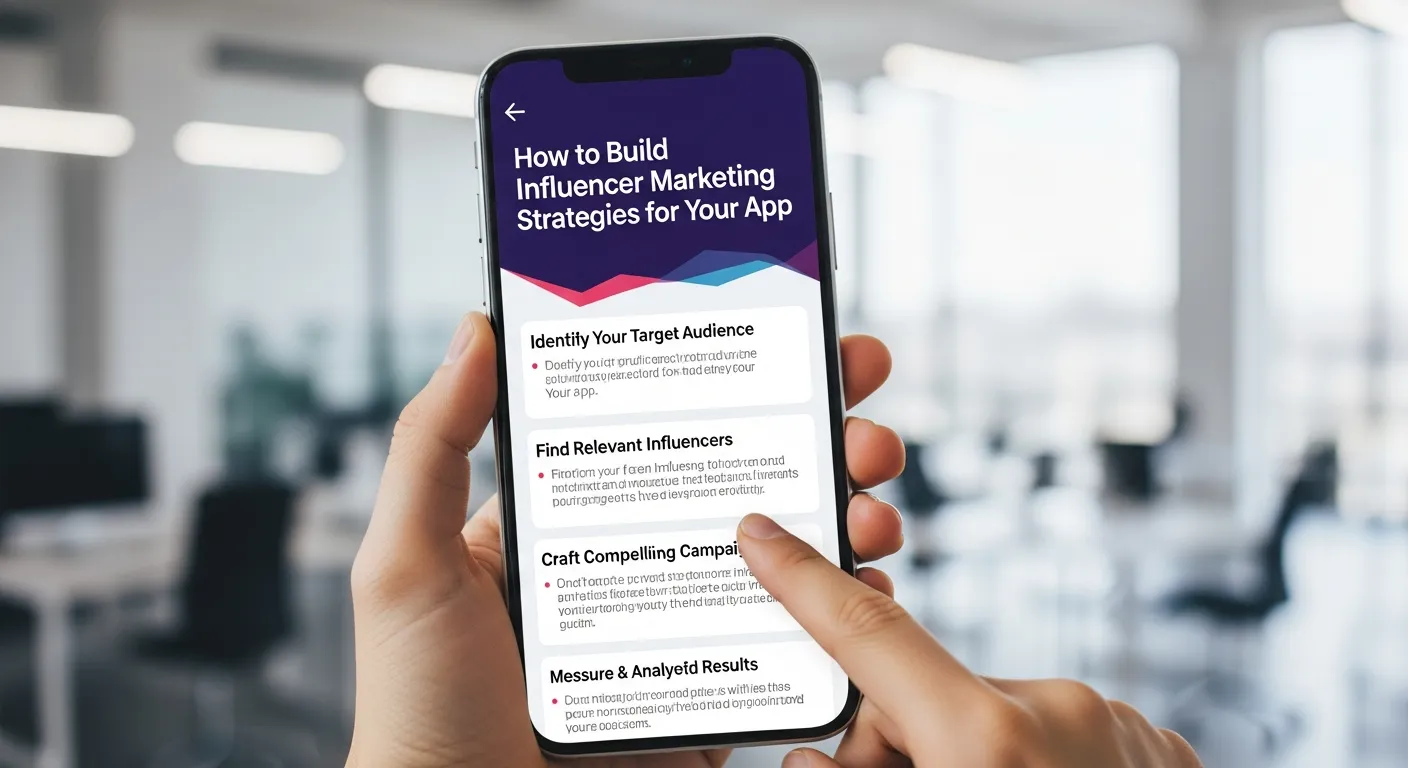
Step 1: Define Your Target Audience
Understand:
- What problem your app solves
- Who benefits most from it
- Which platforms your audience uses most (Instagram, YouTube, TikTok)
Step 2: Partner with the Right Influencers
Focus on audience alignment and engagement, not just follower count. Micro-influencers often offer better engagement rates.
Pro Tip: Use platforms like Aspire, Upfluence, or Grin to match with goal-aligned influencers.
Step 3: Prioritize Authentic Content
Avoid forced promotion. Let influencers naturally share how your app benefits them—whether it’s a fitness transformation, a new recipe, or a seamless travel experience.
Step 4: Engage in Incentivized Marketing
Drive interest with:
- Discount codes (e.g., “FITNESS10”)
- Download-based rewards
- Exclusive trials via influencer referral links
Step 5: Monitor and Optimize Performance
Track:
- Download frequency
- Engagement metrics (likes, shares, comments)
- Referral link conversion rates
- Cost-per-acquisition (CPA)
Use the data to refine future strategies, scaling what works and eliminating what doesn’t.
Influencer Marketing vs Traditional App Advertising
Traditional app advertising relies heavily on paid placements, banners, and interruptive formats that users often ignore or block. Influencer marketing, on the other hand, embeds the app naturally into content users already enjoy. Instead of forcing attention, influencers earn it through trust and relatability. This shift results in higher engagement, stronger recall, and better conversion rates. While traditional ads may deliver short-term spikes, influencer marketing builds long-term brand equity. Apps promoted by creators feel more credible and less transactional, helping them stand out in oversaturated app stores. For modern app growth, influencer marketing offers a more human, sustainable alternative to purely ad-driven strategies.
The Role of Storytelling in App Influencer Campaigns
Storytelling is at the heart of successful influencer marketing. Rather than listing features, influencers show how an app fits into real life—solving problems, saving time, or improving experiences. These stories help users visualize value before downloading. Whether it’s a fitness creator documenting progress or a traveler showcasing seamless bookings, narrative-driven content builds emotional connection. This emotional engagement increases both installs and retention. Apps that encourage influencers to tell authentic stories consistently outperform those relying on scripted promotions. Storytelling transforms apps from tools into experiences users want to be part of.
Influencer Marketing for App Launches vs App Scaling
Influencer marketing plays different roles depending on an app’s growth stage. During launch, influencers generate awareness, early installs, and social proof. Their content validates the app and reduces hesitation among first users. During scaling, influencer campaigns focus on retention, feature education, and entering new markets. Established apps often work with long-term creator partners to maintain momentum. Understanding this distinction helps marketers design smarter campaigns. Launch-focused strategies prioritize reach and discovery, while scaling strategies emphasize consistency, localization, and lifetime value. Both phases benefit from influencer trust, but execution must evolve with growth goals.
Influencer Marketing Performance Comparison Table
This table highlights how influencer marketing compares with other common mobile app growth channels:
| Marketing Channel | Trust Level | Cost Efficiency | Long-Term Impact | Engagement |
|---|---|---|---|---|
| Influencer Marketing | High | High | Strong | Very High |
| Paid Ads | Low–Medium | Medium | Short-Term | Low |
| Display Advertising | Low | Low | Minimal | Very Low |
| App Store Ads | Medium | Medium | Moderate | Medium |
| Organic Content | High | High | Strong | Medium |
This comparison shows why influencer marketing consistently delivers stronger engagement and sustainable growth compared to interruptive advertising methods.
Legal, Disclosure, and Brand Safety Considerations
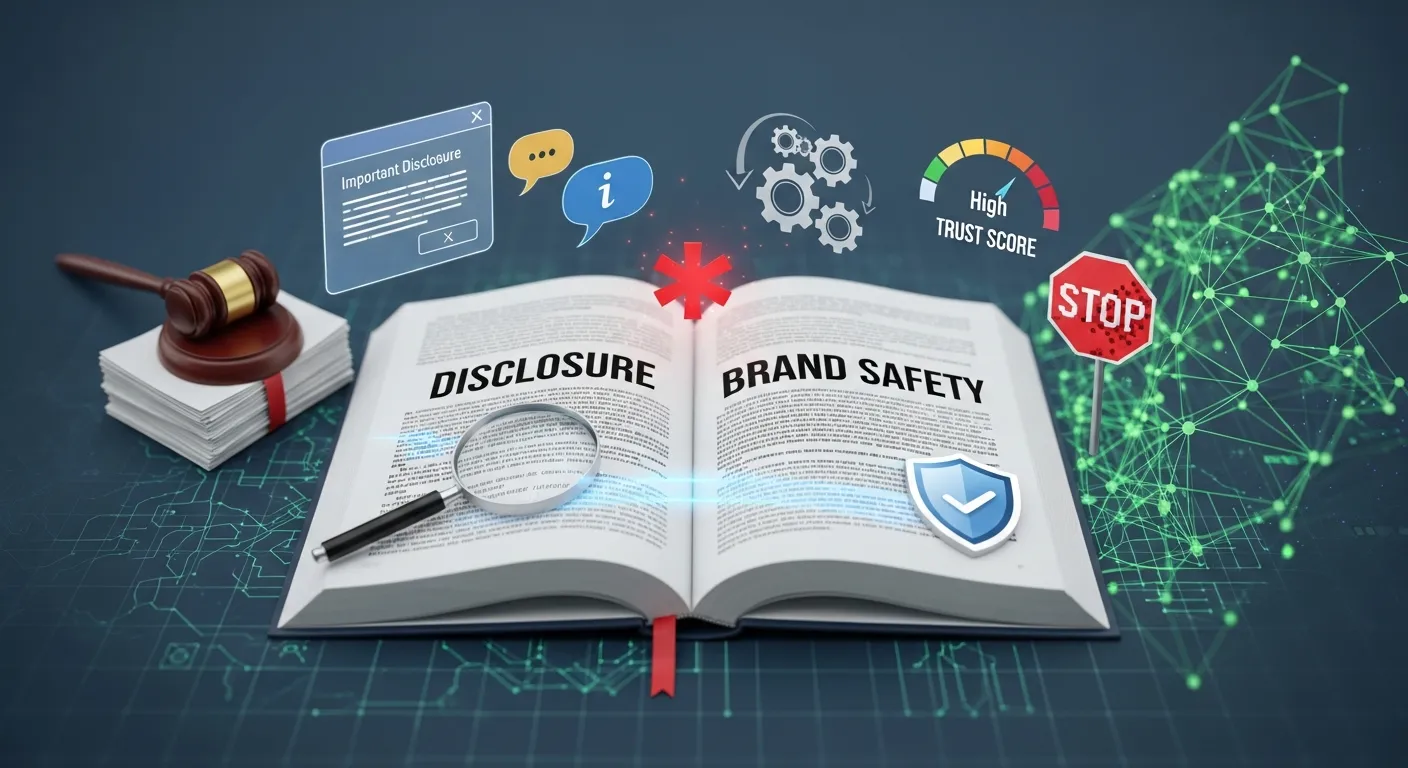
Transparency is critical in influencer marketing. Apps must ensure influencers clearly disclose partnerships to maintain trust and comply with platform regulations. Clear contracts outlining content usage, messaging boundaries, and brand safety guidelines protect both parties. Choosing influencers whose values align with the app reduces reputational risk. Proper disclosure doesn’t reduce effectiveness—in fact, transparency often strengthens credibility. Brands that prioritize ethical influencer practices build stronger, longer-lasting relationships with creators and users alike.
The Future of Influencer Marketing for Mobile Apps
Influencer marketing continues to evolve alongside platforms and user behavior. Short-form video, live streams, AI-driven creator discovery, and performance-based influencer models are shaping the future. Apps are moving toward deeper creator partnerships rather than one-off promotions. As privacy regulations limit traditional targeting, influencer marketing will play an even larger role in reaching audiences authentically. For mobile apps—including NFT and Web3 Marketing—creators will remain key to education, trust-building, and community growth. Brands that invest early in influencer ecosystems will stay ahead of competitors.
Final Thoughts for Mobile App Makers
Influencer marketing isn’t a fad—it’s a dynamic and proven approach to growing mobile apps in highly competitive markets. By leveraging authentic creator voices, it builds trust with skeptical users, increases brand visibility across multiple platforms, and delivers social proof that traditional advertising often lacks. More importantly, influencer-driven content educates, engages, and inspires action, transforming passive viewers into active users and long-term brand advocates. When executed strategically, influencer marketing not only drives installs but also improves retention, strengthens community engagement, and supports sustainable app growth over time.
Ready to go viral?
Start small, work with aligned influencers, and grow based on data. With smart execution, your app could be the next big hit.
Conclusion
Influencer marketing has become one of the most powerful growth channels for mobile apps. By leveraging trust, platform-native content, and targeted audiences, apps can scale faster, retain users longer, and build global visibility. Whether launching a startup app or expanding an NFT-based Digital Twins, influencer-driven strategies deliver sustainable, data-backed growth.
Frequently Asked Questions (FAQs)
1. What Is Influencer Marketing for Mobile Apps?
Influencer marketing for mobile apps is a promotional strategy where creators with engaged audiences showcase an app through authentic content. Instead of traditional ads, influencers demonstrate real use cases—such as tutorials, reviews, or daily-life integrations—encouraging followers to download and try the app. This approach leverages trust and relatability, making it highly effective in crowded app marketplaces.
2. Why Is Influencer Marketing Effective for App Installs?
Influencer marketing works because users trust people more than ads. When influencers recommend an app, it feels like a personal endorsement rather than a sales pitch. Their content reduces skepticism, answers common user questions, and visually proves value—leading to higher install rates and lower cost per acquisition.
3. Which Platforms Work Best for App Influencer Marketing?
The best platform depends on the app type. TikTok excels at viral discovery, YouTube supports in-depth demos, Instagram integrates apps into lifestyle content, and Twitch is ideal for gaming apps. Successful campaigns tailor content to platform behavior rather than using one-size-fits-all creatives.
4. Are Micro-Influencers Better Than Celebrity Influencers?
Micro-influencers often outperform celebrities in engagement and trust. Their niche audiences are more loyal and responsive, making them ideal for startups and early-stage apps. Celebrity influencers offer massive reach but usually at higher costs and lower engagement. The best strategy often combines both.
5. How Much Should Apps Spend on Influencer Marketing?
Budgets vary based on goals, platforms, and influencer size. Startups often begin with micro-influencers and test campaigns with modest budgets. As performance data improves, spending can scale. A performance-driven approach focused on cost per install (CPI) delivers better ROI than fixed-fee campaigns.
6. How Do Influencers Increase Trust in Mobile Apps?
Influencers build trust by showing real app usage, sharing honest feedback, and explaining benefits transparently. Their audiences view them as credible peers rather than advertisers. This authenticity helps overcome concerns around privacy, functionality, and subscriptions—key barriers to app downloads.
7. Can Influencer Marketing Improve App Retention?
Yes. Influencers educate users on features, onboarding steps, and long-term benefits, which improves user experience and retention. Ongoing partnerships also keep users engaged with updates, new features, and use cases—reducing churn over time.
8. How Do You Track Influencer-Driven App Installs?
Tracking is done using referral links, promo codes, UTM parameters, and mobile attribution tools like AppsFlyer or Adjust. These tools measure installs, engagement, retention, and lifetime value, helping marketers identify top-performing influencers and optimize future campaigns.
9. Is Influencer Marketing Suitable for Startup Apps?
Influencer marketing is ideal for startups. It offers cost-effective exposure, fast feedback, and targeted reach without massive ad budgets. Startups can validate product-market fit, generate early traction, and build credibility by collaborating with niche creators aligned with their audience.
10. Does Influencer Marketing Help App Store Rankings?
Yes. Increased downloads, engagement, branded searches, and reviews generated by influencer campaigns signal relevance to App Store algorithms. This improves visibility and organic discoverability, creating a positive feedback loop for growth.
11. Is Influencer Marketing Effective for NFT and Web3 Apps?
Absolutely. NFT and Web3 apps rely heavily on trust and education. Influencers help explain complex concepts like wallets, NFTs, and token utility in simple terms. Their credibility helps onboard non-crypto users and build long-term community engagement.
12. What Mistakes Should Apps Avoid in Influencer Marketing?
Common mistakes include choosing influencers based solely on follower count, forcing scripted promotions, ignoring performance tracking, and failing to align content with platforms. Lack of transparency and one-off campaigns without strategy also limit long-term success.


App Store Optimization Tips for Improving App Visibility and Downloads

AI-Powered App Marketing: Boost Acquisition & Retention

Supercharge App Growth with AI-Powered Chatbots