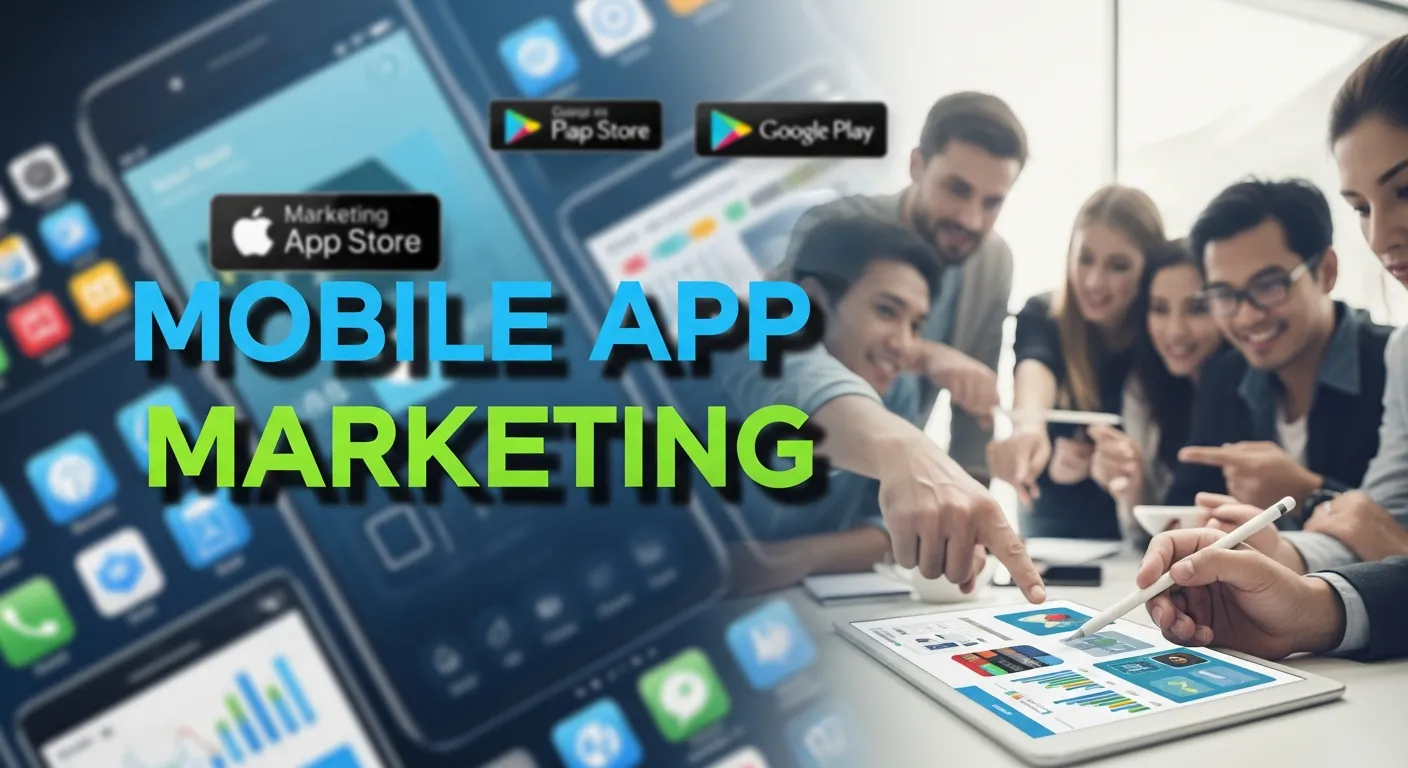
Developing any mobile app is only the initial step in creating a well-positioned digital product well position. Regardless of how well designed it might be, an app isn’t likely to see success if marketing is not thoughtful. Since there are tens of thousands of apps available on App Stores today, it takes strategic marketing for even the most brilliant app to succeed. That’s why mobile app marketing is important not only for differentiating oneself and getting noticed, but also in achieving sustained success and returning the effort.
Right now, you will guide you through everything you need to know about mobile app marketing, providing actionable insights and proven strategies. Whether this is all new to you or you just need a little spit-and-polish, I hope that this post will genuinely help attract, engage, and retain users profitably.
What Is Mobile App Marketing?
Mobile app marketing is the process of increasing visibility for your app, attracting users, and triggering interactions. Far from being a simple process, a mobile application marketing plan needs to start well before an app’s launch. And it doesn’t stop after the app has finally been bought or received the blue ribbon. Successful mobile marketing of apps depends on finding your target readers and providing a solid user experience so that these people keep returning to use it again and again. For a deeper dive into the fundamentals, check out this beginner’s guide to mobile app marketing.
Why Mobile App Marketing Matters
With more than 3.55 million apps on Google Play and 1.64 million apps in the Apple App Store (Statista, 2023), the competition is fierce. Effective marketing:
- Boosts your app’s discoverability.
- Builds a loyal user base.
- Drives downloads and revenue.
- Helps you differentiate from competitors.
Building Brand Awareness Through Mobile App Marketing
Brand awareness is the cornerstone of mobile app marketing. Without it, even the most innovative apps can go unnoticed in a crowded app marketplace. Establishing a recognizable brand identity through consistent messaging, visuals, and tone helps users remember your app and trust its value. Effective strategies for building brand awareness include creating engaging social media content, participating in relevant communities, and leveraging collaborations with influencers. By combining these efforts with a strong mobile app marketing guide, app developers can ensure that their marketing campaigns resonate with potential users and position the app as a credible solution to their needs. Over time, increased brand awareness translates into higher downloads, improved user engagement, and stronger loyalty.
Mobile App Marketing Strategies for Success
Understand Your Target Audience
Marketing blindly is like throwing darts in the dark. Start by understanding who your ideal users are:
- What are their demographics (age, location, occupation)?
- What problems does your app solve for them?
- What platforms do they use most (Android VS iOS)?
Pro Tip: Conduct surveys, interviews, or use analytics tools like Google Analytics or Mixpanel to gain deeper audience insights. This allows you to craft messaging tailored to your users’ preferences.
Conduct Thorough Market Research
Competitor research can help you position your app effectively. Check out similar apps and answer these questions:
- What features do they highlight?
- How are they marketing their app?
- What are users saying in reviews?
Leverage this information to create a unique value proposition that sets your app apart.
Create a Pre-Launch Buzz
An effective mobile app marketing strategy can begin months before your app is launched. Start by:
- Building a landing page or microsite with an email sign-up form for updates.
- Leveraging social media platforms to tease features, share behind-the-scenes content, and engage potential users.
- Partnering with influencers or bloggers in your niche to build anticipation.
Mobile App Launch Marketing for Maximum Impact
A successful app launch can make or break your marketing efforts. Mobile app launch marketing involves generating anticipation and creating buzz before and during your app’s release. Pre-launch strategies such as teasers, early beta access, and countdown campaigns engage potential users and motivate them to download once the app goes live. Launch-day activities, including influencer endorsements, social media announcements, and press releases, ensure maximum visibility. Post-launch marketing focuses on maintaining momentum by continuously promoting updates and new features. By integrating mobile app launch marketing into your overall strategy, you can secure a strong initial user base, set the stage for organic growth, and create long-term engagement opportunities.
Optimize Your App Store Listing (ASO)
App Store Optimization (ASO) ensures your app is visible in app stores when users search for relevant keywords.
- App Title and Keywords: Use relevant, clear, and searchable keywords in your app title or description.
- Screenshots and Videos: Showcase high-quality visuals of your app’s interface and functionality.
- Ratings and Reviews: Encourage users to share positive feedback, as this influences download decisions.
Fun Fact: Apps with a rating below 4.0 see significantly lower downloads. Focus on maintaining high performance and resolving user complaints swiftly.
Leverage Paid Advertising

Paid ads are a powerful way to expand reach quickly. Platforms like Google Ads, Meta Ads (formerly Facebook Ads), and TikTok Ads make it easy to target specific segments. Try running ads that showcase:
- App solutions to specific user pain points.
- Demo videos highlighting your UI/UX.
- Limited-time offers or discounts.
Tip: Experiment with different ad formats (video ads, banner ads, or interstitial ads) to discover what resonates with your audience.
Engage Users with Content Marketing
Content is king, even in mobile app marketing. Provide value by creating content that educates, entertains, or solves your users’ problems:
- Blog posts explaining how your app solves specific problems.
- YouTube tutorials or demo videos showing app features in action.
- Social media posts, memes, or reels to engage users on a lighter note.
The Role of Content Marketing in Mobile App Success
Content marketing remains one of the most effective long-term strategies for mobile apps. By creating articles, blog posts, videos, and social media content that address users’ pain points and showcase your app’s functionality, you establish authority and trust in your niche. Well-crafted content not only educates users about your app but also drives organic traffic through SEO, increasing discoverability on search engines and app stores. Regularly publishing valuable content as part of a mobile app marketing guide ensures your app stays relevant, keeps users engaged, and nurtures brand loyalty. Over time, content marketing contributes to higher retention rates, more downloads, and better overall ROI.
Retargeting to Re-Engage Users
Not all downloads turn into active users, which is why retargeting is critical. Use push notifications, in-app messages, or email marketing to bring users back to your app:
- Send reminders about app updates or new features.
- Offer personalized recommendations or rewards for returning users.
- Highlight milestones like the length of inactivity to reignite interest.
Build a Loyal Community
Apps thrive when they foster connections with their users. Examples of community-building tactics include:
- Hosting contests or exclusive giveaways for users.
- Creating a feedback loop where users can share suggestions.
- Engaging directly on social media platforms or forums.
Building trust and showing transparency will organically build loyalty, resulting in long-term user retention.
Leveraging Influencer Marketing for App Growth
Influencer marketing is an increasingly powerful approach to drive app adoption. Collaborating with influencers whose audience aligns with your target market allows your app to reach relevant users in an authentic, trusted manner. Influencers can showcase your app in action through tutorials, reviews, and exclusive promotions, creating social proof that encourages downloads and engagement. Unlike traditional advertising, influencer campaigns often feel personal and relatable, which fosters deeper connections with users. By incorporating influencer marketing mobile app strategies into your campaigns, you can increase visibility, boost credibility, and generate higher engagement rates, all while building a loyal community around your product.
Leveraging Influencer Marketing for Mobile Apps
Influencer marketing is a powerful way to promote apps and grow a loyal audience quickly. It combines authenticity with reach to connect with your target users effectively.
Key Points:
- Identify influencers whose audience matches your ideal users.
- Offer app previews or exclusive features for promotion.
- Encourage honest reviews, walkthroughs, or tutorials on social platforms.
- Track clicks, downloads, and engagement to evaluate ROI.
Influencer Marketing ROI :
| Strategy Element | Purpose | Expected Outcome |
|---|---|---|
| Influencer Selection | Match audience demographics | Better user targeting |
| Sponsored Content | Share app features | Increased app awareness |
| Exclusive Promotions | Incentivize downloads | Boosted installs |
| Engagement Tracking | Analyze campaign performance | Optimized future campaigns |
Relevant keywords included: mobile app marketing strategy, influencer marketing mobile app
Measuring and Analyzing Your Efforts

One of the most critical aspects of mobile app marketing is tracking success metrics. Use analytics platforms like Firebase Analytics, Adjust, or App Annie to monitor:
- Acquisition Metrics (e.g., downloads, traffic sources).
- Engagement Metrics (e.g., session length, daily active users).
- Retention Metrics (e.g., churn rate, average revenue per user).
Regular analysis helps you refine your strategies and optimize for better performance.
Tracking and Optimizing Your Mobile App Marketing Campaigns
Marketing without measurement is like sailing without a compass. Tracking performance allows you to optimize campaigns and maximize results.
Use analytics to monitor acquisition, engagement, and retention. Identify which channels drive the most downloads and which messages resonate with users. Continually refine campaigns to increase ROI and reduce wasted spend. Mobile app marketing explained clearly shows that analysis is crucial for sustainable growth.
Points to Include:
- Analytics Tools: Use Firebase, Mixpanel, or Adjust to monitor key metrics.
- KPI Tracking: Downloads, active users, session duration, churn rate, and revenue per user.
- Campaign Optimization: Adjust ad targeting, messaging, and creatives based on data insights.
- User Feedback: Use reviews and surveys to guide updates and marketing improvements.
| Metric | How to Track | Optimization Tip |
|---|---|---|
| Downloads | App Store Analytics | Refine ASO keywords |
| User Engagement | In-app analytics | Improve onboarding experience |
| Retention | Daily/Monthly Active Users | Retarget inactive users |
| Revenue | In-app purchase stats | Offer promotions or premium features |
| Ad Performance | Paid Ads Dashboard | Adjust audience targeting & creatives |
Relevant keywords included: mobile app marketing explained, mobile app a beginners guide, mobile app market size growth
Analyzing Data for Smarter Mobile App Marketing Decisions
Data analysis is the backbone of effective mobile app marketing. Without insights from user behavior, campaign performance, and engagement metrics, even the most creative marketing efforts can fall short. Monitoring analytics allows marketers to understand which channels drive the most downloads, which messages resonate with users, and where retention efforts should be focused. By applying a mobile app marketing networks approach and leveraging tools for tracking user activity, app developers can refine campaigns, optimize ad spend, and enhance overall user experience. Continuous measurement and data-driven decisions ensure sustainable growth, higher conversion rates, and improved long-term success for any app.
Crafting a Winning Mobile App Marketing Plan
Creating a comprehensive marketing plan will serve as your roadmap to success. Make sure it includes:
- Goals (e.g., app store downloads, average user retention).
- Target Audience profiles.
- Marketing Channels (social media, paid ads, blog, SEO).
- Content Calendar to manage pre-launch and ongoing engagement.
Breaking down your plan into actionable steps ensures you stay on track while managing resources efficiently.
The Future of Mobile App Marketing
Mobile app marketing is constantly evolving. Keeping up with trends like AR (Augmented Reality), voice search, or AI-driven personalized recommendations can give you an edge.
For example, in 2024, developments in AI tools for app testing or content creation will allow brands to simplify their workflows while providing highly personalized content to users.
Unlock Your App’s True Potential
In today’s hyper-competitive market, mobile app marketing is no longer a choice. The way to succeed is to adopt methods that attract users to your app and then keep them coming back for more.
Are you ready to make your application something really special? With these measures in place, it will soon become an essential tool for your target audience.
Frequently Asked Questions (FAQs)
1. What is mobile app marketing?
Mobile app marketing is the process of promoting a mobile application to increase visibility, attract target users, drive downloads, encourage engagement, and retain users effectively through strategic campaigns and messaging.
2. Why is mobile app marketing important?
It is essential because it helps your app stand out in a crowded market, improves visibility, builds loyal users, increases downloads and revenue, and strengthens long-term engagement with your audience.
3. When should I start mobile app marketing?
Marketing should begin before the app launch to build anticipation and continue after release to maintain user engagement, encourage downloads, and ensure long-term retention and growth of the app.
4. What is ASO in mobile app marketing?
App Store Optimization (ASO) is the practice of improving your app’s visibility in app stores by optimizing keywords, app title, description, visuals, screenshots, and encouraging high-quality user ratings and reviews.
5. Which channels work best for mobile app marketing?
Effective channels include social media, paid advertising, influencer marketing, email campaigns, content marketing, and app store listings. Combining multiple channels ensures wider reach and better engagement with users.
6. How do I measure app marketing success?
Success is measured using analytics tools such as Firebase or Adjust to track downloads, user engagement, session duration, retention, in-app purchases, and user reviews to continuously optimize marketing campaigns.
7. Can I use influencer marketing for my app?
Yes. Influencer marketing can amplify reach, build trust with potential users, generate authentic engagement, increase downloads, and boost app credibility by leveraging influencers relevant to your target audience.
8. Is mobile app marketing expensive?
Costs vary depending on strategy. Using a mix of organic marketing, paid ads, influencer collaborations, and content marketing can control budgets while still effectively driving app downloads and user engagement.
9. What is a mobile app marketing strategy?
A mobile app marketing strategy is a roadmap that outlines target audience, marketing channels, messaging, content plans, pre-launch and post-launch campaigns, and optimization steps to maximize app success and retention.
10. How often should I update marketing campaigns?
Marketing campaigns should be regularly updated based on analytics insights, user feedback, and market trends to improve acquisition, engagement, retention, ROI, and maintain competitive advantage over time.