
The mobile app industry is always changing, and staying on trend with the newest marketing strategies is crucial for app developers and marketers hoping to stand out in this crowded field. From user acquisition strategies to retention tactics, learning the newest advances in marketing a mobile app can often mean life or death for your mobile app-in terms of whether it makes any money at all.
Top Mobile App Marketing Trends
Stay ahead with the latest mobile app marketing trends. Explore strategies that enhance user acquisition, engagement, and retention, while leveraging analytics, social media, and emerging technologies to maximize downloads and drive sustainable app growth.
The Shift to Privacy-First Marketing
Why Privacy Is a Major Concern
Data privacy has become a dominant concern for both app users and regulators. With stringent privacy regulations like GDPR and Apple’s App Tracking Transparency (ATT) framework gaining ground, mobile app marketers are adjusting their strategies to focus on user consent and data transparency.
How to Adapt
- Contextual Advertising: With limited access to user data, contextual advertising is enjoying a resurgence. Tailor your ads based on in-app behavior and content rather than personal data.
- First-Party Data Collection: Build trust with users by collecting data directly through newsletters, in-app surveys, or loyalty programs. Ensure users clearly understand how their data will be used.
- Focus on Privacy-Friendly Platforms: Collaborate with ad networks that align with privacy standards, such as Apple Search Ads or Google’s Privacy Sandbox.
The Rise of AI and Automation in Mobile Marketing

AI’s Growing Role in Marketing
Artificial intelligence is transforming the way mobile apps are marketed. From personalized recommendations to automated ad bidding, AI enables marketers to work smarter, not harder.
How to Use AI in Your Strategy
- Personalized User Journeys: Leverage AI to predict user behavior and deliver tailored content, such as personalized app notifications or in-app experiences.
- Smart Campaign Optimization: Use automation tools like Google App Campaigns to optimize ad placements, bidding, and creatives for maximum ROI.
- Chatbots and Interactivity: Provide real-time support and enhance user experience with AI-powered chatbots that engage app users directly.
Video Marketing Continues to Dominate

Why Video is Key
With the explosion of TikTok and Instagram Reels, it’s no secret that short-form video content is one of the most engaging marketing formats today. Apps that harness the power of video gain more visibility and foster deeper connections with their users.
Steps to Leverage Video Effectively
- Create Demo Videos: Showcase app features through short demo videos on social platforms.
- User-Generated Content (UGC): Encourage users to share their experiences with your app and reward them for content creation.
- Live Streaming: Host Q&A sessions, tutorials, or special app-related events to engage directly with your audience.
Subscription Models and Retention Strategies Take Center Stage
The Growth of Subscription-Based Apps
Whether it’s fitness, learning, or gaming, subscription models are becoming the backbone of a steady revenue stream for apps. Alongside this, retention-focused strategies are becoming increasingly central.
How to Stay Ahead
- Offer Free Trials: Free trial periods are still a reliable way to attract new users and demonstrate your app’s value.
- Gamify Retention: Introduce gamified elements like streaks, badges, or rewards to keep users coming back.
- Leverage Push Notifications: Use AI to personalize notifications that re-engage users without coming across as intrusive.
Influencer-Generated Content Strategies
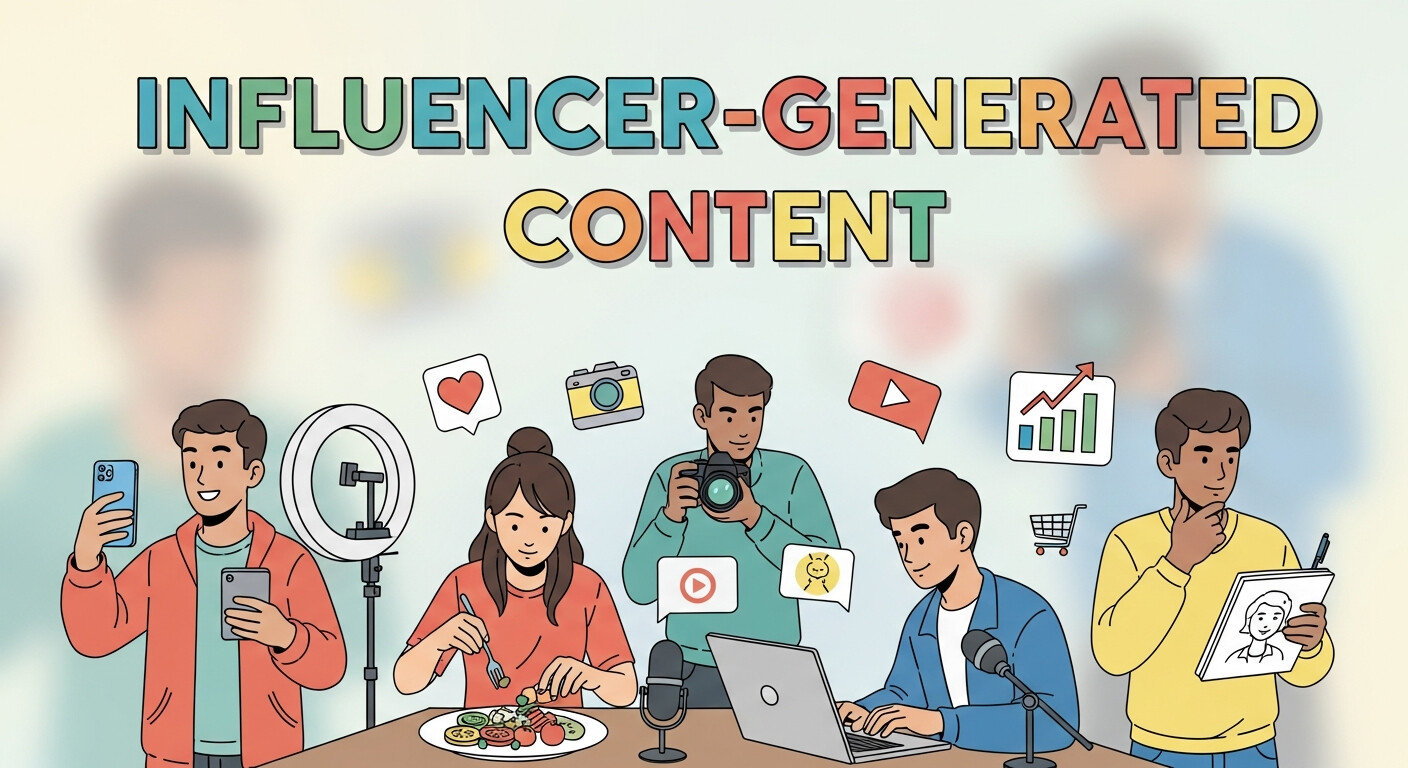
Influencer-generated content goes beyond traditional marketing by leveraging authentic voices to promote your app. Collaborating with influencers, especially micro-influencers platform, helps your app gain credibility, reach niche audiences, and foster user trust. By integrating influencer content into your campaigns, you create social proof and encourage user engagement. Influencers can produce demo videos, tutorials, or reviews that highlight your app’s unique features, making it easier for potential users to understand its value. Tracking performance metrics like engagement, downloads, and conversion rates ensures you can optimize campaigns for maximum impact while maintaining authentic influencer relationships.
Gamification for Enhanced Engagement
Gamification uses game-like elements, such as points, badges, challenges, and leaderboards, to increase user engagement within mobile apps. By adding rewards and progress tracking, apps encourage users to spend more time interacting and returning regularly. This strategy works across categories like fitness, education, and gaming, keeping users motivated while increasing retention. Gamification can also be tied to loyalty programs or social sharing features, fostering community engagement and virality. Analytics can help identify which gamified elements drive the most engagement, allowing marketers to fine-tune campaigns. When executed thoughtfully, gamification transforms ordinary app interactions into compelling, habit-forming experiences.
Interactive Push Notifications
Push notifications remain a vital tool for user retention, but personalization is key. Interactive push notifications allow users to respond directly from the alert, such as completing actions, choosing preferences, or participating in polls. By combining AI-driven personalization and timing, notifications can provide highly relevant content without feeling intrusive. Interactive notifications increase engagement, encourage app usage, and can re-activate dormant users. Tracking metrics like open rates, click-through rates, and in-app activity allows marketers to optimize notification campaigns effectively. These notifications enhance the overall user experience, turning routine alerts into actionable touchpoints that keep users connected and invested in your app.
Voice Search and App Integration
Voice search is rapidly reshaping how users discover and interact with mobile apps. Optimizing your app for voice queries can increase visibility on smart assistants and voice-enabled devices. Voice search requires understanding natural language patterns and conversational keywords that users speak, rather than type. Apps can integrate voice commands for navigation, search, or personalized recommendations, creating a seamless and hands-free experience. Incorporating voice analytics helps marketers understand user intent and optimize features accordingly. By adopting voice-first strategies, apps can attract tech-savvy audiences, enhance accessibility, and stay ahead of emerging trends, ultimately improving engagement, retention, and user satisfaction.
Localization and Global Marketing Strategies

Localization ensures your app resonates with users across different regions by adapting language, content, and features to local cultures. Global marketing strategies go beyond translation, considering payment methods, legal compliance, and cultural preferences. Proper localization increases downloads, engagement, and user satisfaction in diverse markets. Marketing campaigns tailored to specific regions—such as local influencers, region-specific promotions, and targeted advertising—boost relevance and conversion. Analytics help track performance by region, guiding resource allocation and optimization. As mobile app markets become increasingly competitive worldwide, a strong localization strategy is essential for sustainable growth and for building a loyal, international user base.
Predictive Analytics for User Retention
Predictive analytics uses historical data and machine learning to forecast user behavior, helping marketers anticipate churn and retention opportunities. By analyzing user interactions, in-app purchases, and engagement patterns, apps can proactively target users with personalized campaigns and incentives. Predictive models can identify high-value users, optimize push notifications, and determine the best times to engage users. This data-driven approach reduces churn, increases lifetime value, and improves ROI for marketing campaigns. Combining predictive analytics with AI personalization ensures that users receive relevant experiences that keep them engaged. Businesses leveraging predictive insights can stay ahead in competitive app markets.
Super Apps and Ecosystem Expansion
What Are Super Apps?
Super apps like WeChat and Grab are multifunctional platforms that provide a suite of services under one roof. While these apps have seen significant traction in Asia, their influence is expanding globally.
What This Means for Marketers
- Collaborate Within Ecosystems: Partner with super apps to embed your app services into their larger ecosystem.
- Develop Interoperable Features: Consider features that expand your app’s utility beyond its core function, such as integrated payment options or messaging.
The Continued Influence of App Store Optimization (ASO)
The Importance of Standing Out
With millions of apps on the Apple App Store and Google Play Store, optimizing your app for search visibility and downloads remains a priority.
Tips for Effective ASO
- Keyword Optimization: Use tools like Sensor Tower or App Annie to identify high-traffic, relevant keywords for your app title and description.
- Creatives Matter: Test and refine your app screenshots, icons, and preview videos to grab attention quickly.
- Keep Updating: Regular updates with new features or fixes highlight your app’s commitment to quality.
Micro-Influencer Marketing Gains Momentum
Why Micro-Influencers Matter
Large-scale influencer campaigns can be expensive, but micro-influencers bring genuine connections and trust within niche communities.
How to Work With Micro-Influencers
- Identify Niche Influencers: Find influencers whose audiences align with your target market.
- Set Clear Goals: Define what you want from the partnership, whether it’s app downloads, brand awareness, or UGC.
- Track Metrics: Measure success using trackable URLs or promo codes tied to the influencer campaign.
Enhanced Focus on User Reviews and Ratings
The Role of Feedback
With users increasingly relying on reviews to decide which apps to download, maintaining a positive presence in app stores can significantly influence an app’s success.
Improve Ratings and Reviews
- Ask at the Right Time: Prompt users for reviews after they’ve had a good experience with your app.
- Respond to Feedback: Engage with users in the comments section, showing that you value their input.
- Use Feedback for Growth: Improve your app based on user suggestions to maintain a high rating over time.
Social Media and Viral Trends
Staying Relevant
Social media platforms like Instagram, TikTok, and Twitter are goldmines for app marketers who know how to ride viral trends.
Pro Tips
- Hashtag Challenges: Create a memorable challenge tied to your app and encourage engagement.
- Collaborate With Trending Creators: Work with social media creators who are already engaging your target audience.
- Short-form Campaigns: Create quick, eye-catching videos that highlight how your app solves a problem.
What’s Next
Given that technology and user behavior are constantly changing, Mobile marketing trends also need to change, otherwise it’s just not possible to stand out in such a competitive environment. And from using AI to be more personal in making video, the place where innovative ideas can shine is endless. Only by pressing forward with trends and adjusting your strategies can you continuously increase the number of users for your app. The result is not only growth in your app’s user base, but also an increasingly loyal and engaged audience. Do you need assistance in navigating today’s fast-paced mobile application marketing? Visit our resources or contact us for more details about how to succeed.
Read more about this topic: Why Mobile App Marketing is the Key to Your Success
Frequently Asked Questions (FAQ)
1. What are mobile app marketing trends?
Mobile app marketing trends are strategies and techniques that app developers and marketers use to attract, engage, and retain users. These trends evolve with technology, user behavior, and industry innovations, such as AI, video content, and privacy-focused advertising.
2. Why is privacy important in mobile app marketing?
With regulations like GDPR and Apple’s App Tracking Transparency (ATT), respecting user privacy has become crucial. Privacy-first marketing builds trust, ensures compliance, and improves user retention by collecting first-party data transparently.
3. How is AI changing mobile app marketing?
AI enables personalized user experiences, predictive behavior analysis, automated ad campaigns, and chatbot interactions. This increases engagement, optimizes ad spending, and helps marketers deliver more relevant content to app users.
4. What role does video play in app marketing?
Short-form videos, demos, and user-generated content (UGC) are highly engaging formats. Video marketing helps apps showcase features, attract attention on social media, and encourage downloads through visually compelling storytelling.
5. How can subscription models boost app growth?
Subscription models create steady revenue streams. Combining free trials, gamification, and personalized push notifications can increase retention and motivate users to stay engaged with the app over time.
6. What is App Store Optimization (ASO) and why is it important?
ASO improves an app’s visibility in app stores. Optimizing keywords, app titles, descriptions, screenshots, and updates increases downloads, enhances user trust, and helps the app stand out among millions of competitors.
7. How do super apps affect marketing strategies?
Super apps integrate multiple services into one platform. Partnering with these ecosystems or creating interoperable features can increase an app’s reach and provide additional engagement opportunities.
8. Why are micro-influencers effective for app promotion?
Micro-influencers have highly engaged niche audiences. They provide authentic promotion, higher trust, and often cost less than large-scale influencer campaigns, making them effective for driving app downloads and user engagement.
9. How important are user reviews and ratings?
User reviews influence potential downloads and trust. Engaging with feedback, prompting reviews at the right time, and using insights to improve the app can significantly boost app success and retention.
10. How do social media trends impact mobile app marketing?
Trending platforms and viral campaigns increase visibility and engagement. Hashtag challenges, collaborations with trending creators, and short-form videos help apps reach broader audiences and encourage active user participation.


