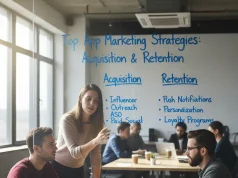

Mobile apps face intense competition. With over 5 million apps across iOS and Android stores, standing out requires more than just building a great product. While many developers focus solely on organic growth and app store optimization, successful scaling often demands a proactive approach through outbound marketing.
Understanding Outbound Marketing for Mobile Apps

Outbound marketing involves proactively reaching out to potential users rather than waiting for them to discover your app organically. Unlike inbound marketing, which relies on content and SEO to attract users, outbound tactics put your app directly in front of your target audience.
Why Outbound Marketing Matters for Mobile Apps
The mobile app landscape is crowded. Relying solely on organic discovery means competing with millions of other apps for visibility. Outbound marketing offers several advantages:
Immediate Results: Unlike SEO or content marketing, outbound campaigns can generate leads and downloads within days or weeks.
Targeted Reach: You can precisely target specific demographics, industries, or user behaviors that align with your ideal customer profile.
Scalable Growth: Successful outbound campaigns can be scaled up quickly by increasing budgets or expanding to new channels.
Measurable ROI: Outbound tactics provide clear metrics to track performance and optimize campaigns for better returns.
Key Outbound Sales Tactics for Mobile Apps

Cold Email Campaigns
Email remains one of the most effective outbound channels for mobile app marketing. The key lies in crafting personalized messages that resonate with your target audience.
Identify Your Ideal Users: Start by defining who would benefit most from your app. Create detailed user personas including demographics, pain points, and preferred communication styles.
Craft Compelling Subject Lines: Your subject line determines whether recipients open your email. Keep it short, specific, and benefit-focused. For example: “Save 2 hours daily with this productivity app” or “Free trial: App that doubled our team’s efficiency.”
Personalize Your Message: Generic emails get deleted. Reference the recipient’s company, recent achievements, or industry challenges. Show you’ve done your research and understand their specific needs.
Focus on Value: Lead with benefits, not features. Explain how your app solves their problems or improves their workflow rather than listing technical specifications.
Include Clear CTAs: Make it easy for recipients to take the next step, whether that’s downloading your app, scheduling a demo, or signing up for a free trial.
LinkedIn Outreach
LinkedIn provides access to professionals across every industry, making it ideal for B2B mobile apps or productivity tools targeting working professionals.
Optimize Your Profile: Before reaching out, ensure your LinkedIn profile clearly identifies you as a mobile app founder or marketer. Include your app’s value proposition in your headline and summary.
Connect Strategically: Send personalized connection requests to potential users, industry influencers, and complementary business owners. Mention mutual connections or shared interests to increase acceptance rates.
Share Valuable Content: Post regularly about industry trends, app development insights, or user success stories. This builds credibility and keeps your app top-of-mind for your network.
Engage Before Pitching: Comment thoughtfully on prospects’ posts and share their content before sending promotional messages. Building relationships first improves response rates.
Strategic Partnerships
Collaborating with complementary businesses can expand your reach without significant advertising costs.
Identify Partnership Opportunities: Look for companies serving similar audiences but offering different solutions. A fitness app might partner with nutrition brands, while a productivity app could collaborate with project management consultants.
Propose Mutual Benefits: Successful partnerships benefit both parties. Offer to promote their services to your users in exchange for app recommendations to their customers.
Create Joint Content: Develop webinars, blog posts, or guides together. This provides value to both audiences while showcasing your app’s capabilities.
Cross-Promote Through Email Lists: Exchange newsletter mentions or dedicated email campaigns with partners to reach new potential users.
Retention-Focused Outbound Campaigns

User acquisition is only half the battle; retention determines long-term success. Outbound marketing can be used strategically to re-engage users who have downloaded your app but are no longer active. Push notifications, reactivation emails, and retargeting ads can remind users of your app’s value at the right moment. By analyzing user behavior, you can trigger outbound messages based on inactivity, incomplete onboarding, or abandoned actions. These timely touchpoints help reduce churn, increase session frequency, and turn one-time users into loyal customers who continue to use and recommend your app.
Retargeting Strategies to Maximize Conversions
Not every potential user will convert on the first interaction. Retargeting allows you to reconnect with users who visited your landing page, clicked an ad, or viewed your app store listing but didn’t install. Platforms like Facebook, Google, and TikTok enable precise retargeting based on user behavior. By showing tailored ads that highlight specific benefits or limited-time incentives, you can move hesitant users closer to conversion. Retargeting campaigns often deliver lower acquisition costs because they focus on warm audiences already familiar with your app.
Using Landing Pages to Support Outbound Campaigns
Dedicated landing pages significantly improve outbound campaign performance by providing focused messaging aligned with your outreach. Instead of sending users directly to the app store, a landing page can explain your app’s value, showcase testimonials, and address common objections. This is especially effective for B2B or subscription-based apps that require more consideration. Landing pages also allow better tracking of user behavior, A/B testing of messaging, and improved conversion rate optimization. A strong landing page bridges the gap between outbound outreach and app installation.
Budget Planning for Scalable Outbound Growth

Effective outbound marketing requires thoughtful budget allocation to avoid wasted spend. Start by testing small budgets across different channels to identify what performs best. Analyze early results based on CPA, retention, and LTV rather than installs alone. Once you find profitable channels, gradually scale spending while monitoring performance closely. Allocate a portion of your budget for experimentation, as audience behavior and platform algorithms change over time. A disciplined budget strategy ensures sustainable growth while minimizing risk and maximizing long-term returns.
Leveraging Data and Analytics in Outbound Marketing
Outbound marketing campaigns are most effective when guided by data. Tracking user behavior, campaign performance, and conversion paths helps you understand which channels deliver high-quality users. Analytics tools can reveal which emails get responses, which ads drive installs, and which audiences retain best. By analyzing this data, you can refine targeting, messaging, and timing for future campaigns. Data-driven outbound marketing reduces guesswork, improves efficiency, and ensures your budget is spent on tactics that consistently deliver results rather than relying on assumptions.
Advertising Tactics for Mobile App Growth
Social Media Advertising
Paid social media campaigns can quickly scale your user acquisition efforts across multiple platforms.
Facebook and Instagram Ads: These platforms offer sophisticated targeting options based on demographics, interests, and behaviors. Use video ads to showcase your app’s interface and benefits. Facebook’s App Install campaigns are specifically designed to drive mobile app downloads.
TikTok Advertising: Particularly effective for apps targeting younger demographics. Create engaging short-form videos that demonstrate your app’s value in an entertaining format.
Twitter Ads: Useful for B2B apps or those targeting specific professional communities. Promoted tweets can drive traffic to your app store listing or landing page.
Targeting Best Practices: Use lookalike audiences based on your existing users, target competitors’ followers, and experiment with interest-based targeting to find high-converting segments.
Influencer Marketing
Partnering with influencers can provide authentic endorsements that drive app downloads and user engagement.
Choose Relevant Influencers: Focus on influencers whose audiences align with your target users. Micro-influencers (1,000-100,000 followers) often provide better engagement rates and more authentic partnerships than macro-influencers.
Negotiate Performance-Based Deals: Consider paying influencers based on downloads or sign-ups rather than just posting fees. This aligns their incentives with your goals.
Provide Creative Freedom: Allow influencers to present your app in their own style. Authentic endorsements perform better than scripted advertisements.
Track Performance: Use unique promo codes or tracking links to measure each influencer’s impact on downloads and user acquisition costs.
Content Marketing
Creating valuable content attracts potential users while establishing your expertise in your app’s niche.
Educational Blog Posts: Write articles addressing common problems your app solves. Optimize for search engines to attract organic traffic from people seeking solutions.
Video Tutorials: Create YouTube videos demonstrating your app’s features or showing real-world use cases. Video content often ranks well in search results and can be shared across social platforms.
Podcast Appearances: Guest appearances on industry podcasts can introduce your app to engaged audiences. Prepare compelling stories about your app’s development or user success stories.
Webinars and Online Events: Host educational sessions related to your app’s niche. This positions you as an expert while naturally introducing your app as a solution.
Measuring and Optimizing Your Outbound Efforts
Track key metrics to evaluate your outbound marketing performance:
Cost Per Acquisition (CPA): Calculate how much you spend to acquire each new user through different channels.
Lifetime Value (LTV): Understand the long-term value of users acquired through outbound tactics.
Conversion Rates: Monitor how many prospects take desired actions at each stage of your funnel.
Channel Performance: Compare results across email, social media, partnerships, and other outbound channels to allocate resources effectively.
Building Your Outbound Marketing Strategy
Successful mobile app marketing requires consistent, targeted outbound efforts. Start by selecting one or two tactics that align with your target audience and budget. Master these channels before expanding to additional platforms.
Remember that outbound marketing works best when combined with a strong product and positive user experience. Focus on acquiring users who will genuinely benefit from your app, as satisfied users become your best advocates for organic growth.
The mobile app market rewards those who actively pursue their audience rather than waiting to be discovered. By implementing these outbound sales and advertising tactics, you can accelerate your app’s growth and build a sustainable user acquisition engine.
Frequently Asked Questions (FAQ)
1. What is outbound marketing for mobile apps?
Outbound marketing for mobile apps involves proactively reaching potential users through channels like cold email, paid ads, influencer partnerships, and direct outreach. Instead of waiting for users to find the app organically, outbound strategies place the app directly in front of a targeted audience to drive faster user acquisition and brand awareness.
2. Why is outbound marketing important for mobile app growth?
With millions of apps competing for attention, relying only on organic discovery can limit growth. Outbound marketing helps apps gain immediate visibility, reach specific user segments, scale acquisition efforts quickly, and measure performance clearly, making it essential for competitive markets.
3. Which outbound channels work best for mobile apps?
The most effective outbound channels include paid social media ads, influencer marketing, cold email campaigns, LinkedIn outreach, and strategic partnerships. The best channel depends on your app’s target audience, whether it’s B2C, B2B, or niche-specific.
4. How can cold email campaigns help promote a mobile app?
Cold email campaigns allow app marketers to directly reach potential users or businesses with personalized messaging. When done correctly—focusing on value, personalization, and clear calls-to-action—email outreach can drive app downloads, demo requests, and free trial sign-ups efficiently.
5. Are paid social media ads effective for app installs?
Yes, paid social media ads are highly effective for driving app installs. Platforms like Facebook, Instagram, TikTok, and Twitter offer advanced targeting options, app install objectives, and performance tracking tools that help optimize campaigns for better ROI.
6. How does influencer marketing support mobile app growth?
Influencer marketing builds trust and credibility by leveraging creators who already have engaged audiences. When influencers authentically showcase your app, it can lead to higher engagement, increased downloads, and better user retention compared to traditional ads.
7. How do strategic partnerships help scale mobile apps?
Strategic partnerships allow apps to tap into existing user bases of complementary businesses. Through cross-promotions, joint content, or bundled offers, partnerships provide cost-effective exposure and attract high-quality users who are more likely to convert.
8. What metrics should be tracked for outbound app marketing?
Key metrics include cost per acquisition (CPA), lifetime value (LTV), conversion rates, retention rates, and channel-specific performance. Tracking these metrics helps marketers identify which outbound strategies deliver the best results and optimize spending.
9. Can outbound marketing work alongside organic growth strategies?
Absolutely. Outbound marketing works best when combined with organic tactics like app store optimization, content marketing, and referrals. Outbound drives initial traction, while organic growth ensures long-term sustainability and lower acquisition costs.
10. How should beginners start with outbound marketing for apps?
Beginners should start with one or two outbound channels that align with their audience and budget. Testing small campaigns, analyzing results, and gradually scaling successful tactics helps build a reliable and sustainable user acquisition strategy.