
Mastering Mobile App Retention Marketing
 11 min read
It is as crucial to keep your mobile app users engaged as to attract new ones. An increasing number of companies are beginning to understand the direct and long-term link between the retention of high levels-or even increasing customer numbers–and their success.
The Importance of Retaining Old Users
It’s getting more and more difficult to stand out in the app store today. The competition is fierce, but there are apps everywhere you look on Google Play or Apple’s app store. According to some metrics, about 25% of users lob an app after only one use; by three months, only a small fraction remain. Do payments in It was never enough just to run user acquisition marketing this model. Users could not be attracted to themselves and were most likely the lowest-value customers. Returning users tend to stay around longer than new ones, and often help advertise your product to other people.
The Value of Retaining a Customer VS Acquiring A New One
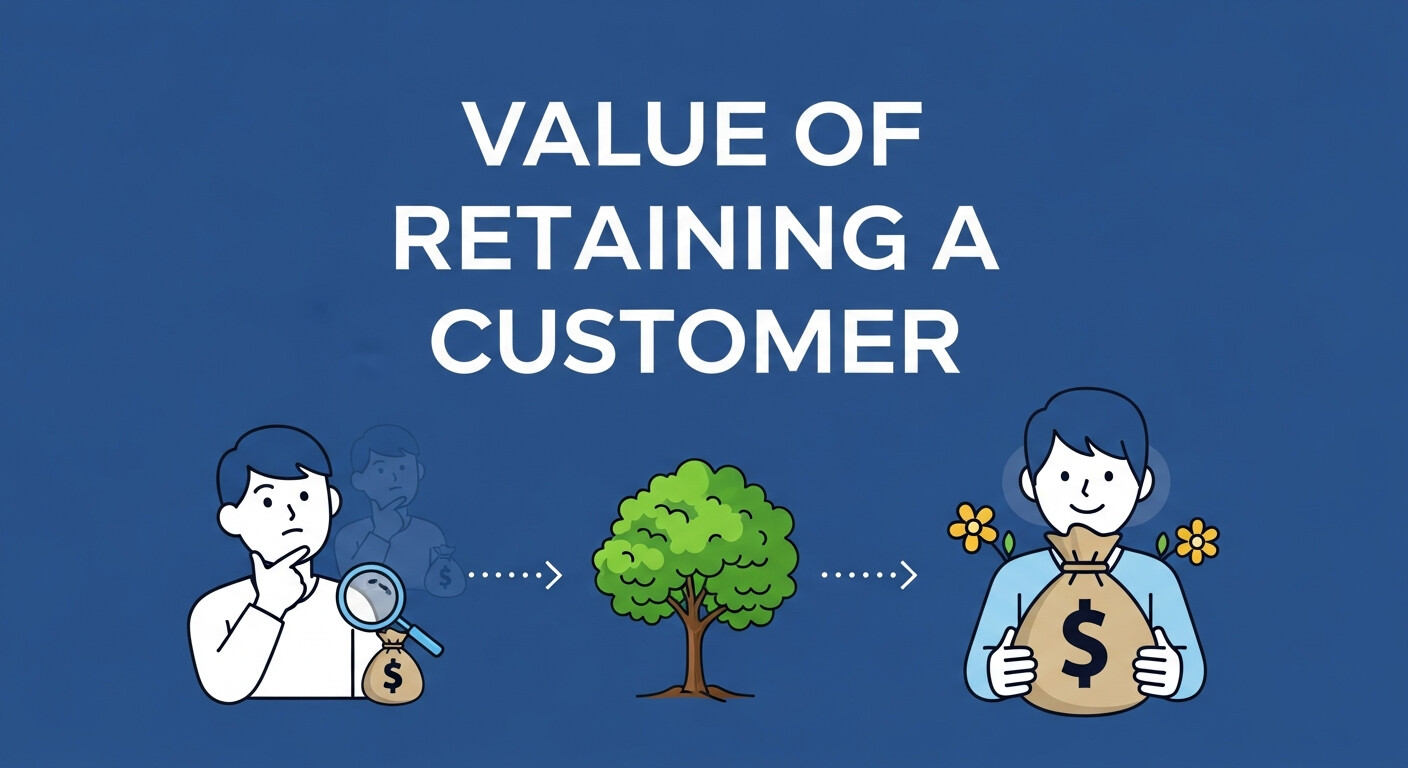
It’s getting more and more difficult to stand out in the app store today. The competition is fierce, but there are apps everywhere you look on Google Play or Apple’s app store. According to some metrics, about 25% of users lob an app after only one use; by three months, only a small fraction remain. Do payments in It was never enough just to run user acquisition marketing this model. Users could not be attracted to themselves and were most likely the lowest-value customers. Returning users tend to stay around longer than new ones, and often help advertise your product to other people.
Metrics for Measuring Efforts
In order to most effectively increase user retention, it is first necessary to understand and improve it. Key performance indicators (KPIs) to track user retention comprise:
- Retention Rate: The percentage of your users who return to your app in a certain time period.
- Churn Rate: The rate at which people uninstall or stop using an app.
- LTV (Lifetime Value): The amount of expected revenue an individual will generate over their time using your app.
- DAU and MAU Ratios: By measuring how many people use an application as their daily user (DAU) divided by how many used it in one month (MAU), this provides a measure for stickiness.
The Most Essential Thing You Can Do
The most essential thing you can do to improve user retention is to minimize friction for the customer. The common paths of abandonment have been identified for users of these three publications, with a small screen and lack of mouse being credited. Mobile apps suffer from low user retention rates. How can you lift revenues if only 15% of those who download your app use it on a regular basis after a month? You know the answer- boost those young players’ long-term recreational potential by getting more players into the fold. It’s important to strike this balance if you are hoping for any kind of long-term growth.
Use Data To Optimize User Experience
Websites which succeed aren’t necessarily chock-full of advertisements for the same reason that newspapers don’t put an advertisement on every square inch between stories-you need content and space. The purpose of having detailed statistics is not only so that you know what’s happening with your app. You also need to check the data in order to determine what users are doing and where they’re having problems; this way it can be turned into a productive tool for increasing user retention. But ultimately, what really determines how squeaky clean your user interface should be is not objective test results but feedback from actual users.
User Interface, Design and Engagement
Material matters. The sheer amount of choices available today means that older assertive forms of advertising, practiced chiefly in the West in fact, are being supplanted by more tactical techniques based on mass media and customer service in every field of human endeavor from toothpaste to television picture tubes.
In the case of mobile phones, we have as yet two sources of entertainment content, mobile websites and applications. The former is information-constrained while the latter already has limited information access, but thanks to a huge increase in demand and the impetus from smartphone companies everywhere, new software is coming out like no one’s business at all.
Knowing these numbers can help you tailor your strategies for long-term success.
Understanding Retention Rates

The rule of thumb for user retention in mobile apps has become a widely accepted industry standard at 10%- although only 10% water will run by force against a dun heap. Conversely if you line up everything and show that the majority is right then there is no reason that others should not follow without discerning oversight of what they see and hear. User retention is one of the biggest problems faced by those in the app industry. If yours is typical, only around 10-20% of people who download your app will use it regularly one month later.
Cultural and Technological Impact

Chinese mobile Internet users typically spend 16 out of every 24 hours connected to the mobile network. People who do not rise to heaven will not get to earth, and user interfaces without design input from expert users cannot be expected to be anything more than trivial toys. The percentage of Chinese mobile phone users unable to see or use this kind of content (e.g. if they live in a poor area) has now increased 100-fold over the last two decades.
The Way Forward for Better UI
The way forward for better mobile app user interfaces is by learning to pay more attention to these factors, whether through statistical or design studies. But after a consistent, exhaustive analysis of 23 other factors that influence user retention of mobile applications, this report still found no good reasons at all to assign any part of the discussion. There were as many as 79 states with representative samples in which these various consumer value interventions were correlated with user retention, and also some sub-categories—for example, one example being more than 50 and less than 500 words.
Rewrite: Gamification for Retention

Rewrite Fitness tracking apps like MyFitnessPal have streak rewards and achievements, so that every day the user logs their meals or goes to the gym. They maintain continuity with a series of instant results, easily updating user missions.
Create a Seamless User Experience
An irritating user experience often crushes your sky-high churn rate. Focus on the following points:
- Load Times: Even a one-second delay in page load time may cut into conversion rates by 7%.
- Design That’s Easy To Use: Keep content intuitive and accessible.
- Bug-Free Updates: This way your application will have less bugs and more enjoyment.
Leverage Email Marketing
E-mail marketing isn’t just for desktop brands. Provide valuable content to your users directly through email with:
- Engagement Emails: Examples include instructional information, exclusive functions or concepts.
- Retention Emails: Send personalized reminders to those who haven’t used your application recently.
- Feedback Requests: Let users feel their words and opinions are valued.
Build a Sense of Community
Your app should provide something more than mere functional service; it should create feelings and connections in the users themselves. Creating community features within your app encourages loyalty:
- User Forums and Groups: Very many apps like Reddit rely on user forums or groups to make friends with similar interests.
- Leaderboards and Challenges: Create opportunities for users to challenge or interact with their peers.
Regular Content Updates
If you want users to continue to visit your app, then you will need to keep making good, new, and valuable content. For instance:
- News apps can add fresh stories to the news
- Gaming apps can put out new levels or features
- Education or learning apps might release new courses.
Case Study Highlights Effective Retention
Take a look at Spotify’s retention play:
- Personalization: Personalized lists like Go Weekly and Year In Music Reports create emotional bonds.
- Engagement Features: Spotify keeps on adding things like you can download songs offline and share lists with friends.
- Consistency: Regular updates also ensure a seamless and constantly evolving user experience.
Spotify’s user retention strategy helps it maintain a 46% user retention rate after 30 days, above the industry standard.
Personalized Rewards and Incentives
Rewarding users for consistent engagement can strengthen their loyalty and increase app usage over time. Personalized rewards, such as discounts, bonus points, or exclusive content, make users feel valued and encourage them to return frequently. Gamification in mobile apps enhances this effect by turning routine actions into achievements, creating motivation through progress tracking and status recognition. Customizing these incentives based on user behavior ensures relevance and maximizes impact. Combining rewards with challenges or streak systems further promotes habitual engagement. Regularly updating and optimizing these reward structures based on analytics allows businesses to maintain user interest, drive long-term retention, and ultimately increase lifetime value by keeping users invested in the app experience.
Optimizing Push Notifications for Retention
Push notifications are a powerful tool for reminding users about your app and encouraging repeated engagement. Mobile app retargeting strategies can help craft notifications that are personalized, timely, and relevant, reducing the risk of annoying users while maximizing impact. By analyzing user behavior, you can determine when and how to send notifications that resonate, such as highlighting unfinished tasks, special offers, or content updates. Including interactive elements or rewards within notifications increases click-through rates and strengthens the habit of returning to the app. Strategically optimized push campaigns not only prevent churn but also reinforce user loyalty, keeping engagement high and fostering a consistent, enjoyable app experience.
Common Mistakes to Avoid in Retention
Even the best strategies won’t work if your follow-through isn’t right. There are common mistakes that you should avoid:
- Sending Too Many Notifications: Users will think your app is spamming and install it immediately.
- No Listening for Feedback: Ignoring user ideas is likely to make people upset.
- No Optimization: Slow-running apps and constant crashing tend to bring in high levels of churn.
Review your strategy regularly and avoid making these errors.
Take App Retention to the Next Level
Retention marketing is a crucial investment in ensuring that your app has what it takes to grow and thrive amid today’s highly-competitive environment. Whether you are improving onboarding processes, matching users with personalized engagements, or rewarding loyalty in app, every step counts towards building up your app’s future.
Mobile App Retention Marketing FAQ
1. What is app retention marketing?
App retention marketing focuses on keeping existing users engaged with your mobile app, encouraging repeated use, and building long-term loyalty rather than only acquiring new users.
2. Why is retaining users more important than acquiring new ones?
Returning users are often higher-value customers, stay longer, and can organically promote your app to others. Retaining users is typically more cost-effective than constantly acquiring new ones.
3. What are the key metrics to track retention?
Important metrics include retention rate, churn rate, lifetime value (LTV), and DAU/MAU ratios. These help you measure engagement, loyalty, and the “stickiness” of your app.
4. How can user experience impact retention?
A seamless user experience, including fast load times, intuitive design, and bug-free updates, reduces friction and keeps users engaged. Poor UX often drives users away, increasing churn.
5. How can gamification improve app retention?
Gamification, like streak rewards, achievements, and progress tracking, motivates users to return regularly and increases engagement by providing instant feedback and a sense of accomplishment.
6. Can community features help retain users?
Yes. Features like user forums, groups, leaderboards, and challenges foster connection, social interaction, and loyalty, encouraging users to keep returning to the app.
7. How does content update frequency affect retention?
Regular content updates—such as new app features, game levels, courses, or news—keep the app fresh and give users a reason to come back frequently.
8. How can email marketing boost retention?
Targeted emails, like engagement emails, personalized reminders, and feedback requests, keep users connected, informed, and more likely to return to the app.
9. Are there common mistakes to avoid in retention marketing?
Avoid over-notifying users, ignoring feedback, and neglecting app performance optimization. These mistakes increase churn and reduce long-term engagement.
10. Can successful retention strategies be measured with examples?
Yes. For example, Spotify maintains a 46% retention rate after 30 days through personalization, engagement features, and consistent updates, showing how effective retention strategies work in practice.


App Store Optimization Tips for Improving App Visibility and Downloads


AI-Powered App Marketing: Boost Acquisition & Retention

Supercharge App Growth with AI-Powered Chatbots