
Mobile app success depends on strong marketing and monetization. With millions of apps competing, visibility through ASO, paid ads, social proof, and user engagement is critical. Strategic monetization models such as freemium, subscriptions, ads, and e-commerce turn downloads into revenue. Continuous updates, retention tactics, and community building ensure long-term growth and sustainability in the competitive mobile marketplace.
Creating an app is only the first step—making it successful in a crowded marketplace is the real challenge. With millions of apps competing for attention, the key is getting yours noticed and generating revenue. To make real profit, your app must stand out from competitors and consistently reach the right users. This blog covers essential mobile app marketing and monetization strategies to help you increase downloads, engage users, and earn through ads or in-app purchases.
Importance of Mobile App Marketing
Marketing is the engine that drives growth for any mobile app. It creates awareness, attracts downloads, builds trust, and supports monetization. Without visibility, even high-quality apps fail to reach users. A strong mobile app marketing strategy combines branding, audience targeting, ASO, social media, and paid promotion. Marketing also influences user perception—apps that appear credible and active gain higher trust. Continuous promotion ensures consistent downloads and long-term growth. Developers who invest in marketing early gain a competitive edge and stronger user engagement from day one.
Why Your Mobile App Needs a Strong Marketing Strategy

According to Statista, between the Apple App Store and Google Play Store, there are a grand total of close to 7 million apps. Without a solid marketing strategy, any app—even the most innovative—is just one small lost flotsam in that vast ocean. Marketing is not just about getting visibility; it’s also about building trust with your audience. Apps that users discover organically along the way or through word-of-mouth marketing have a far better chance of succeeding than those promoted haphazardly like this. The next thing you need is a good marketing strategy. Here’s how to set the foundation for success.
App Store Optimization (ASO) Basics
ASO improves your app’s visibility within app store search results. It works like SEO but for mobile apps. Optimizing keywords, titles, visuals, and descriptions increases discoverability and organic installs. Since most users find apps via search, ASO is essential for growth. Strong screenshots, compelling descriptions, and high ratings also influence conversion rates. A well-optimized listing attracts targeted users and reduces reliance on paid ads. Consistent ASO updates ensure your app stays competitive and visible.
Optimize for the App Stores
App Store Optimization (ASO) is crucial. This process is like SEO for app stores and helps your app rank higher in search results. Here are some tips for ASO:
- Choose a keyword-rich app title: The app title should be relevant, engaging, and include keywords your target audience is searching for. For example, instead of just naming your app “Focus,” use a title like “Focus Timer for Productivity.”
- Craft an engaging app description: Write a clear and concise description emphasizing your app’s value. Highlight key features and add relevant keywords naturally.
- Use high-quality visuals: Eye-catching screenshots and videos can make an enormous difference in enticing users to download.
- Leverage user reviews: Positive reviews improve not only your app’s rating but also its ranking in app stores. Prompt satisfied users to leave reviews.
Leveraging Social Proof

User reviews and influencer endorsements build trust and credibility. Social proof encourages downloads by showing real user satisfaction. Positive ratings improve visibility and increase conversion rates. Sharing testimonials and user-generated content strengthens brand authority. Influencer collaborations expand reach to niche audiences.
Leverage Paid Advertising
When your organic marketing efforts need a boost, incorporating paid advertising can bring your app to a larger audience and accelerate early downloads. Paid campaigns allow precise targeting so your app reaches users who are most likely to install and engage.
Choose platforms where your target audience is most active:
Social media ads:
Platforms like Facebook, Instagram, and TikTok enable advanced targeting based on interests, behavior, location, and demographics. Video ads and short reels are especially effective for showcasing app features quickly.
Search ads:
Google App Campaigns place your app across Google Search, YouTube, Google Play, and Gmail. These ads capture high-intent users actively searching for solutions similar to your app.
Display ad networks:
Platforms like AdMob and Apple Search Ads help promote apps directly inside other mobile apps and app stores, improving visibility and install rates.
Harness Social Proof
Nothing builds trust faster than hearing from others who’ve loved your app. Encourage raving fans to tweet, post, or share their experiences with your app online. Partner with micro-influencers in your industry for authentic endorsements, and display testimonials prominently on your app’s website or landing page.
Key Steps to App Monetization

Now that you’ve marketed your app effectively, it’s time to focus on monetization strategies. Below are the most popular approaches to turn your app into a revenue-generating machine.
Freemium Model
The freemium approach is one of the most common, allowing users to access your app for free with the option to unlock premium features through in-app purchases. Examples of successful freemium apps include Spotify and Duolingo. To excel with this model:
- Offer compelling free content that gets users hooked.
- Create “must-have” premium features worth the upgrade, such as ad-free experiences, exclusive tools, or personalized recommendations.
Subscription-Based Revenue
Subscription services have risen dramatically in popularity, with platforms like Netflix proving their value. Subscription models work particularly well for apps offering ongoing content or services, such as fitness plans or educational courses. Consider offering multiple tiers (e.g., monthly or yearly options) to accommodate different budgets.
Advertising Revenue
If you prioritize free app access, leveraging ads is a great way to monetize. However, tread carefully to avoid annoying users with intrusive ads. Some effective formats include:
- Banner ads: Small ads placed at the top or bottom of the screen.
- Interstitial ads: Full-screen ads that appear between content flows but should be used sparingly.
- Rewarded ads: Users willingly watch an ad in exchange for an in-app reward, like extra lives or bonus points.
E-commerce Integration
For apps with the potential to function as sales channels, incorporating e-commerce can drive significant revenue. Transform your app into a marketplace for users to shop directly from their devices, or enable in-app purchases to enhance the user experience (e.g., skins in mobile games).
Paid Download Model
For specialized apps, charging an upfront fee can make sense. However, success with this model is less common, as users prefer trying apps for free before committing. If your app uses this approach, ensure the offering justifies the cost through exceptional features or exclusivity.
Paid Advertising for Fast Growth
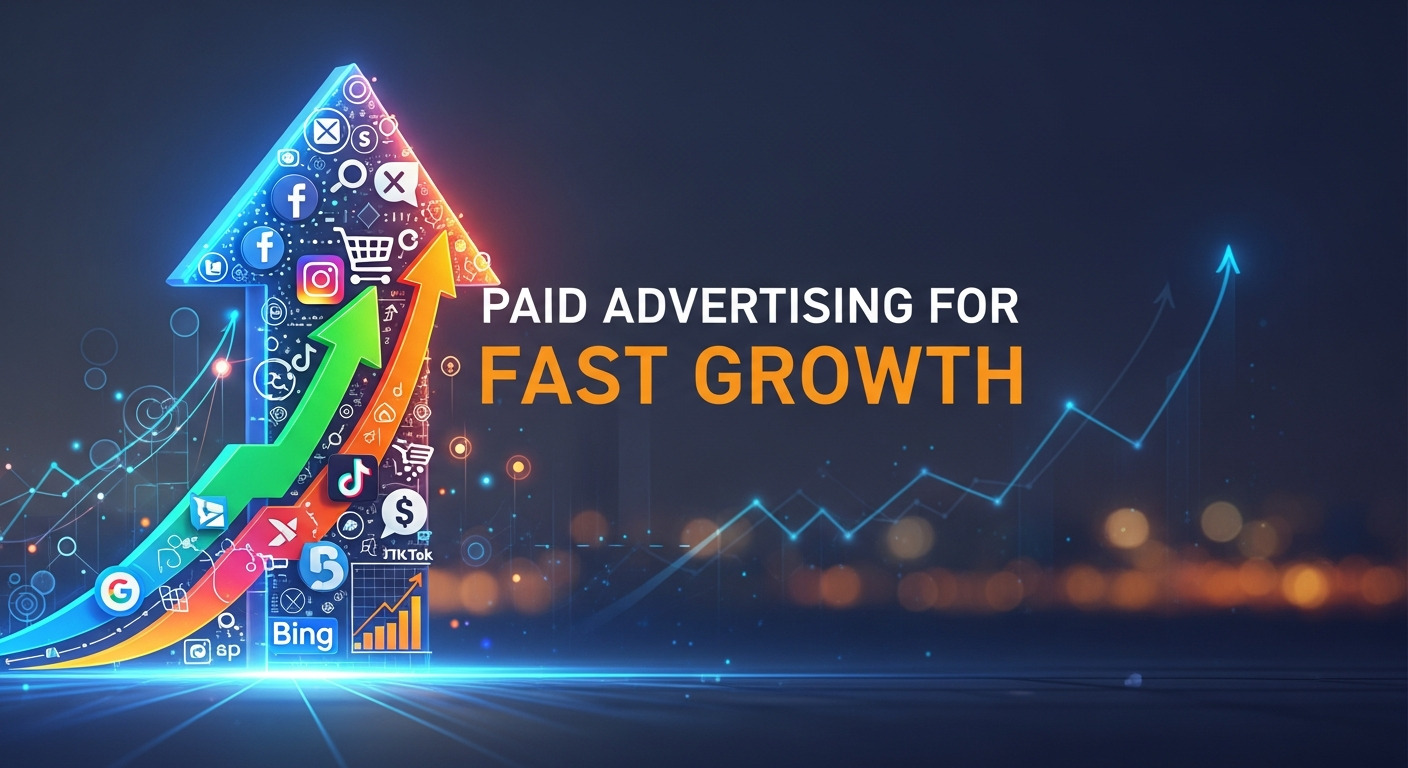
Paid advertising accelerates user acquisition and visibility. Platforms like Facebook, Instagram, TikTok, and Google App Campaigns allow precise targeting. Ads help new apps compete quickly in crowded markets. App store ads place your app directly in front of active searchers. Paid campaigns generate immediate traffic while organic growth builds slowly. When optimized properly, ads deliver strong ROI and consistent installs.
Retaining and Re-engaging Your Users
User retention is just as important as acquisition. High retention rates reduce churn and boost app profitability, particularly for subscription-based or ad-heavy apps. Here’s how to keep users engaged:
Regular Updates and Improvements
Update your app regularly to fix bugs, add new features, and optimize the user interface. Listen to customer feedback when planning updates, and ensure your app stays relevant to evolving user needs.
Push Notifications Done Right
Push notifications are powerful when used strategically. Send notifications for:
- Personalized discounts or exclusive offers.
- New product launches or features.
- Helpful reminders to keep users on track (e.g., a meditation app reminding users to unwind).
Avoid spamming users. Too many notifications can lead to app uninstalls.
Subscription-Based Monetization
Subscriptions generate recurring income for apps offering ongoing services. Monthly or yearly plans improve long-term revenue and financial stability. This model works especially well for apps delivering continuous value such as streaming, fitness, education, productivity, or premium tools.
Tiered pricing helps attract different user segments by offering multiple plans based on features, usage limits, or exclusive content. Free trials can also encourage users to experience premium benefits before committing.
Retention is key for subscription success—regular updates, personalized experiences, and consistent value delivery help reduce cancellations and increase lifetime customer value.
Monetizing Through Ads
Advertising supports free apps by generating revenue from impressions and user interactions. Banner, interstitial, and rewarded ads are the most common formats used across mobile platforms. This monetization model works well for apps with high traffic and frequent user sessions.
However, ads must be carefully balanced to avoid disrupting the user experience or causing frustration. Poorly timed or excessive ads often lead to uninstalls and low retention.
Build a Loyal Community
Beyond driving downloads, building a community around your app solidifies its place in users’ lives. Here are ways to create such relationships:
- Launch an exclusive forum, empowering users to connect.
- Use social media actively to post engaging content and respond to comments.
- Host live webinars or Q&As with your app’s creators or industry experts.
Taking Your Mobile App to the Next Level

Creating, marketing, and monetizing an app takes effort—but with the right strategy, success is achievable. Combining ASO, social proof, and data-driven marketing with strong monetization models helps turn downloads into revenue. Push notifications and gamification improve long-term engagement and retention. Since not every developer is a natural writer, tools like Outwrite simplify content creation and support more effective app marketing.
Conclusion
Launching an app without a clear marketing and monetization strategy guarantees failure in today’s competitive market. Success comes from visibility, engagement, and revenue planning. By combining ASO, paid promotion, user trust, and smart monetization, your app can grow sustainably. Consistency, data-driven improvements, and user-focused experiences ultimately transform your mobile app into a powerful digital business asset.
Long-term success also depends on continuous testing, performance tracking, and adapting to user behavior. When marketing and monetization work together strategically, your app gains stronger retention, higher lifetime value, and scalable growth.
FAQs
1. What is mobile app marketing?
Mobile app marketing is the process of promoting an app to attract users, increase downloads, and drive engagement. It includes ASO, paid ads, influencer marketing, social media promotion, referral campaigns, and retention strategies. The goal is not just visibility, but turning installs into active users and long-term revenue.
2. Why do most apps fail?
Most apps fail due to poor visibility, weak marketing, lack of user targeting, and low retention. Developers often focus only on building the app and ignore promotion. Without consistent updates and a monetization strategy, apps struggle to grow.
3. What is ASO?
ASO (App Store Optimization) improves your app’s ranking in app stores through optimized keywords, titles, visuals, and reviews. It helps increase organic installs and visibility.
4. Are ads necessary for app growth?
Yes. Paid ads boost visibility quickly and help new apps compete in crowded markets while organic growth builds gradually.
5. What is freemium monetization?
Freemium offers basic features free and charges users for premium upgrades, increasing downloads and generating revenue.
6. How do subscriptions help?
Subscriptions create predictable recurring income and work well for apps offering ongoing services or content.
7. Why are reviews important?
Reviews build trust, influence downloads, and improve app store ranking and credibility.
8. What metrics matter most?
Track installs, retention, engagement, churn rate, DAU, and revenue to measure app performance and growth.
9. How do influencers help?
Influencers promote apps to trusted audiences, increasing credibility, awareness, and installs.
10. What increases user retention?
Retention improves through updates, push notifications, rewards, onboarding optimization, and engaging content.
11. Can apps sell products?
Yes. Apps can integrate e-commerce or offer in-app purchases to generate additional revenue.
12. How long to see app growth?
Typically 1–3 months with consistent marketing, ASO optimization, paid ads, and user engagement.