
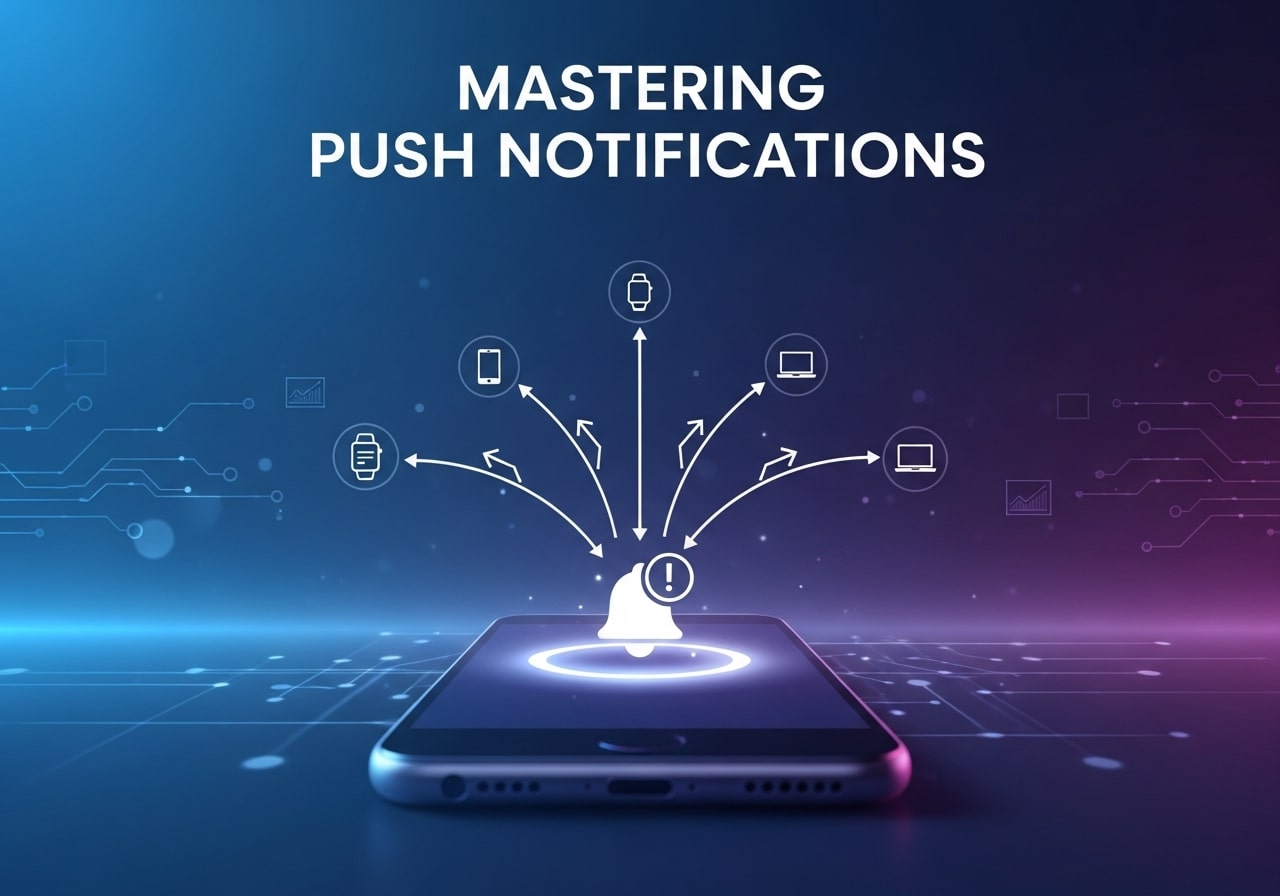
Push notifications help apps re-engage users, boost retention, and drive conversions when used strategically. Effective timing, segmentation, personalization, automation, and cross-channel alignment ensure high performance, while respecting preferences, privacy, and long-term user trust prevents fatigue and maximizes overall app growth.
In today’s competitive app ecosystem, capturing and maintaining user attention is more challenging than ever. Push notifications offer a direct line of communication with your audience, making them an indispensable tool for driving engagement, improving retention, and ultimately increasing your app’s lifetime value. However, poorly executed push campaigns can alienate users and lead to uninstalls. This comprehensive guide will walk you through the best practices, advanced strategies, and real-world examples that can transform your push notifications into a growth engine for your mobile app.
What Are Push Notifications?
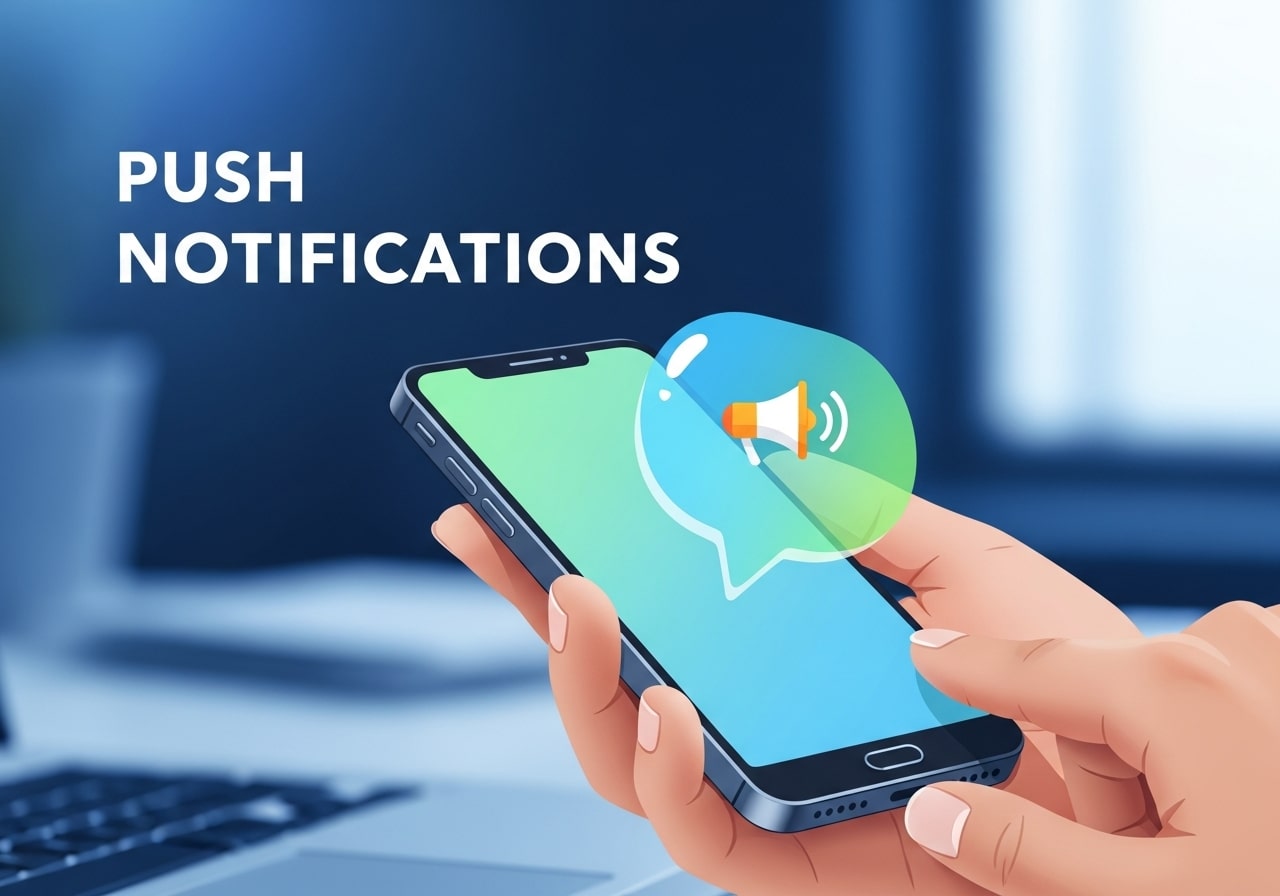
Push notifications are short messages or alerts sent directly to a user’s device, even when the app is not open. They appear in the notification tray on Android or as banners on iOS, providing timely information such as updates, reminders, promotions, or personalized content. Unlike in-app messages, push notifications have the unique advantage of re-engaging users at any time, making them a crucial component of your app marketing strategy.
Why Push Notifications Matter
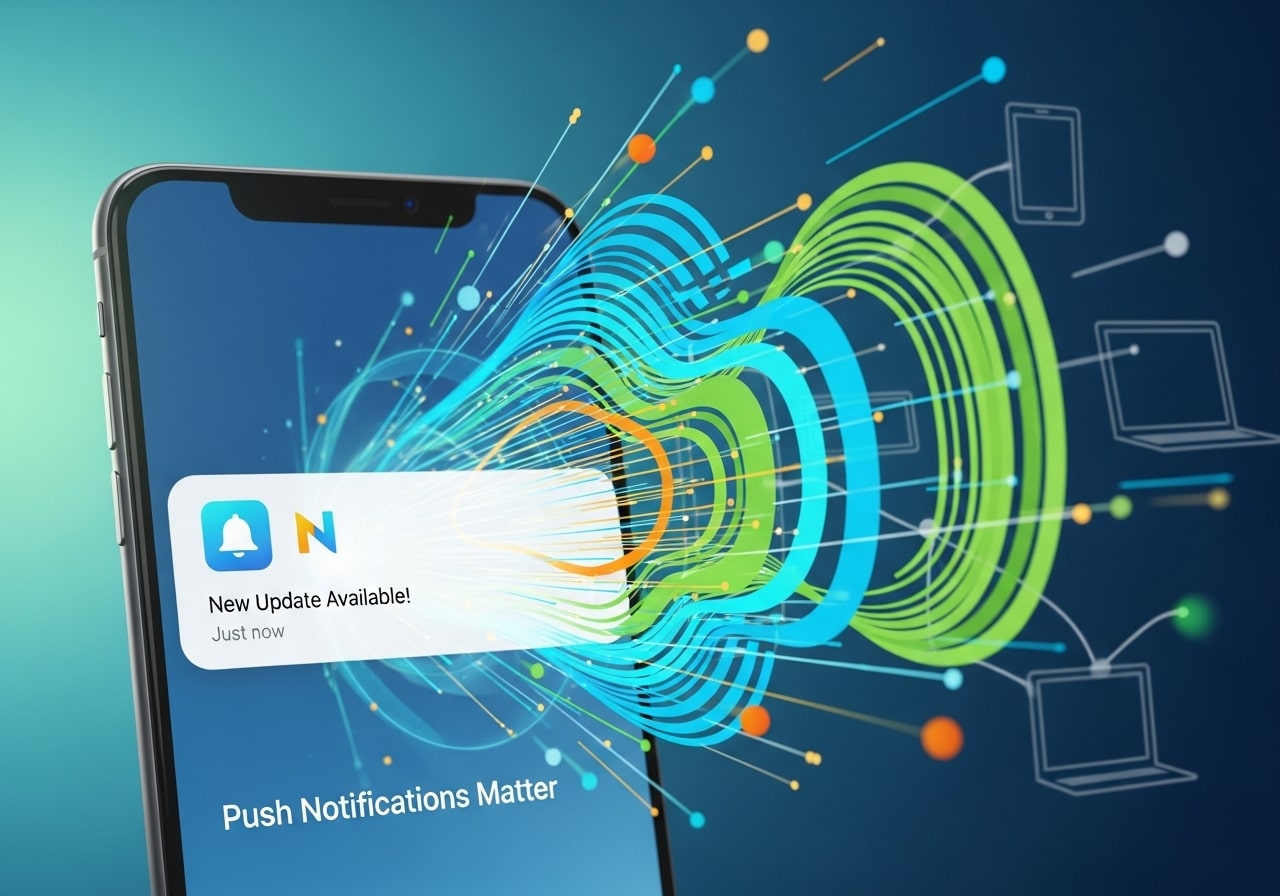
Effective push notifications can achieve multiple goals: they remind dormant users to return, guide new users through onboarding, promote limited-time offers, and deliver personalized content based on user behavior. When crafted thoughtfully, they can increase session frequency, boost in-app purchases, and foster long-term loyalty. According to industry studies, apps that leverage segmented and personalized push campaigns can see up to 800% higher open rates compared to generic blasts.
Best Practices for Push Notification Timing & Frequency
Timing is everything. Sending a notification at the wrong hour can annoy users, while missing their active windows can render your message ineffective. Consider time zone localization and user behavior patterns. If your analytics show peak engagement in the evenings, schedule your notifications accordingly. Equally important is frequency: too many notifications lead to fatigue and opt-outs, while too few miss engagement opportunities. A good rule of thumb is 3–5 pushes per week, adjusted based on user responses and preferences.
Understanding User Intent Before Sending Notifications
Before crafting any push notification strategy, it’s essential to understand why a user might want to receive your message in the first place. User intent varies widely—from early-stage curiosity and onboarding needs to long-term engagement and purchase motivations. Apps must analyze behavioral signals such as browsing patterns, purchase history, session duration, and feature usage to predict user intent accurately. When you understand what users genuinely want, you can align your push content to fit their goals rather than forcing messages that feel intrusive. Notifications that respect intent feel like helpful nudges instead of interruptions, increasing the probability of positive engagement, conversions, and long-term retention.
Behavioral Psychology Behind Effective Push Messaging
Push notifications work best when they tap into core psychological triggers such as urgency, scarcity, social proof, and reward anticipation. For example, limited-time offers leverage the fear of missing out (FOMO), while milestone-based notifications reinforce intrinsic motivation and habit building. Understanding these psychological foundations helps brands craft messages that feel natural and compelling, rather than spammy. Incorporating emotional tone, positive reinforcement, and timing aligned with dopamine-driven anticipation cycles improves the impact of every push. Apps that blend behavioral science with data-driven insights can create messages that feel almost anticipatory—arriving precisely when the user is most receptive.
Designing a Long-Term Push Notification Strategy
Many apps focus on short-term push performance—open rates, clicks, and conversions—but neglect the long-term relationship with the user. A sustainable strategy requires mapping push notifications to the entire customer lifecycle: acquisition, onboarding, habit formation, engagement, loyalty, and reactivation. Each stage calls for a different messaging tone, frequency, and goal. Long-term planning also prevents “notification burnout,” where users disable messages due to excessive or irrelevant pushes. With a structured roadmap, apps can deliver value at each step of the user journey, ensuring push notifications evolve alongside user needs and app features. This helps build trust, reduce churn, and maintain consistent user satisfaction.
Cross-Channel Alignment With Email, In-App, and SMS
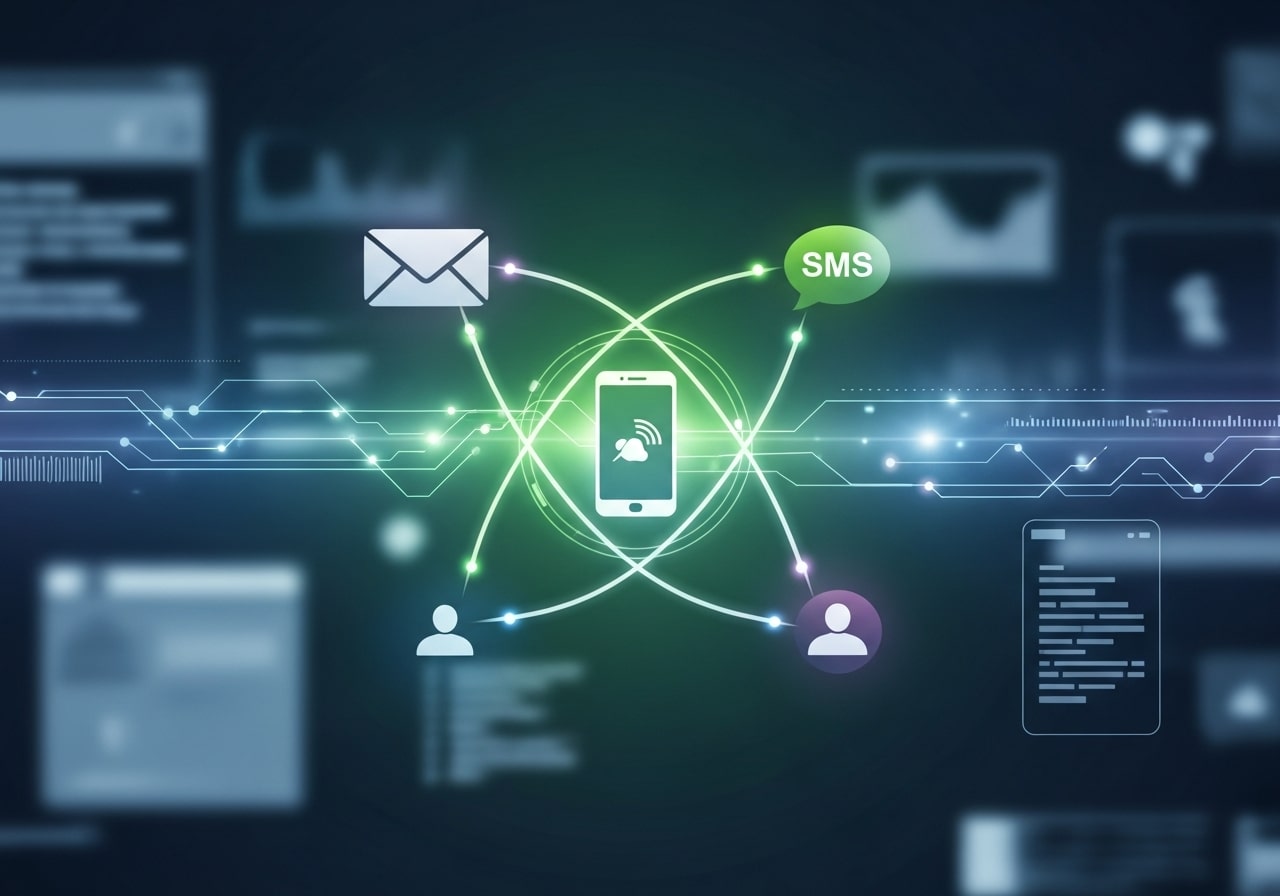
Push notifications should never operate in isolation. When aligned with email campaigns, in-app messages, and SMS, they create a cohesive communication ecosystem that amplifies engagement. For example, a push can serve as a real-time attention grabber, while a follow-up email provides deeper detail or long-form content. In-app messages reinforce behaviors at the moment of interaction, and SMS can deliver urgent updates such as OTP codes or flash sales. Coordinating these channels prevents overlap and avoids overwhelming the user with multiple alerts. With a unified approach, each channel supports the others—creating a seamless customer experience and maximizing marketing ROI.
Building Trust Through Transparency and Value Exchange
Users will only keep notifications enabled when they trust that your app respects their time and attention. Building this trust requires complete transparency about what types of messages you send and how frequently. Inform users during onboarding about the value they’ll receive—exclusive deals, helpful reminders, personalized recommendations, or real-time updates. Showing previews of notification categories allows users to understand the benefits, not just the interruptions. Additionally, consistently delivering high-value content reinforces that trust over time. When users feel in control and perceive notifications as genuinely helpful, they remain engaged and far less likely to disable permissions or uninstall the app.
Scaling Push Notification Operations for High-Growth Apps
As your app scales, managing millions of push notifications across diverse user segments becomes increasingly complex. High-growth apps must adopt robust infrastructure capable of handling segmentation logic, behavioral triggers, machine learning predictions, and real-time delivery at scale. This involves investing in advanced automation tools, ensuring server-side reliability, and maintaining rapid delivery speeds even during peak traffic. Equally important is the ability to run multi-variate tests, adjust content dynamically, and maintain clean user data. With proper scaling processes in place, push notifications can evolve from a simple engagement tool into a highly sophisticated, high-performing engine that supports product, marketing, and growth teams simultaneously.
Segmentation: Reaching the Right Audience
One-size-fits-all notifications rarely perform well. Segment your user base by behavior, demographics, subscription status, or app usage. For example, send reactivation messages to dormant users, onboarding tips to new sign-ups, and VIP offers to high-value customers. Effective segmentation ensures your messages resonate with recipients, improving open rates and conversion while minimizing unsubscribe rates.
Personalization: Making Messages Matter
Personalization goes beyond inserting a user’s name. Leverage in-app data to reference user actions—like “John, you left 3 items in your cart”—or tailor content based on interests and past behavior. Personalized notifications can boost click-through rates by up to 50%. Use dynamic content tags to automate this process and maintain relevance at scale.
Crafting Clear Calls-to-Action
Every notification should include a concise, compelling call-to-action (CTA). Whether it’s “Claim Your Discount Now” or “Resume Your Workout,” the CTA should be unambiguous and aligned with user intent. Limit the notification to 2–3 lines of text, front-load the key message, and use action-oriented language to drive clicks.
A/B Testing & Continuous Optimization

Data-driven experimentation is key to push notification success. A/B test elements like headings, emojis, CTAs, delivery times, and deep links. Analyze metrics—open rate, click-through rate, conversion, and opt-out rate—to determine winning variants. Implement iterative changes, monitor results, and refine your approach to continually improve performance.
Advanced Strategies: Rich Notifications & Deep Linking
Rich notifications enable images, videos, and interactive buttons within the notification itself, creating a more engaging experience. Deep linking takes users directly to a specific screen or feature in your app, reducing friction and driving higher conversion. Combining rich media with deep links can significantly boost engagement, especially for promotions, product launches, and content recommendations.
Automation & Triggered Campaigns
Automated push campaigns respond to user actions in real time, delivering timely messages without manual intervention. Common triggers include app installs, onboarding completion, cart abandonment, and milestone achievements. Automation ensures consistency in your engagement efforts and frees up marketing resources to focus on strategy and creative development.
Localization & Respecting Preferences
Global apps must localize notification content, language, and send times to match regional customs and time zones. Additionally, offer users granular control over notification preferences—categories, frequency, and channels—to build trust and reduce opt-outs. Respecting preferences fosters a positive user experience and long-term engagement.
Regulatory & Privacy Considerations
Compliance with privacy regulations like GDPR and CCPA is essential. Obtain explicit opt-in consent before sending notifications and provide easy opt-out mechanisms. Clearly explain the value users will receive, and avoid collecting unnecessary personal data. Transparent policies help maintain user trust and adhere to legal requirements.
Tools & Platforms for Push Campaigns
Choosing the right push notification platform can simplify segmentation, personalization, automation, and analytics. Popular options include Firebase Cloud Messaging (FCM), OneSignal, Airship, Leanplum, and Braze. Evaluate each platform based on features, pricing, integration capabilities, and support to find the best fit for your app’s needs.
Measuring Success: Key Metrics
Track fundamental metrics such as delivery rate, open rate, click-through rate, conversion rate, unsubscribe rate, and revenue per notification. Use cohort analysis to understand long-term retention impacts. Regularly review these KPIs to assess the effectiveness of your campaigns and inform future strategies.
Case Studies & Real-World Examples
Several apps have harnessed push notifications with spectacular results. For instance, a fitness app saw a 25% increase in daily active users after implementing personalized workout reminders. An e-commerce app boosted cart recovery revenue by 40% by sending triggered notifications based on user browsing behavior. These examples underscore the transformative power of well-executed push campaigns.
Common Mistakes to Avoid
- Overloading users with notifications
- Generic, non-segmented messages
- Lack of clear CTAs
- Ignoring user preferences and time zones
- Neglecting A/B testing and optimization
Conclusion
Push notifications, when leveraged correctly, can be one of the most effective channels for re-engaging users, driving conversions, and fostering loyalty. By following these best practices—timing, segmentation, personalization, clear CTAs, and continuous optimization—you can transform simple alerts into powerful engagement tools. Invest in the right platforms, respect user privacy, and never stop experimenting to unlock the full potential of push notifications in your mobile app marketing strategy.
Frequently Asked Questions (FAQ) – Push Notifications for Mobile Apps
1. What are push notifications?
Push notifications are short messages sent directly to a user’s device, appearing on the lock screen or notification tray, even when the app is closed. They deliver timely updates, reminders, promotions, and personalized content.
2. Why are push notifications important for app growth?
They help re-engage inactive users, boost session frequency, drive conversions, and improve retention. Personalized push campaigns can dramatically increase open and click-through rates.
3. How many push notifications should I send?
A general guideline is 3–5 notifications per week, but this varies by audience and app category. Monitor user behavior and adjust frequency to avoid fatigue or increased opt-outs.
4. What is the best time to send push notifications?
Use analytics to identify when users are most active. Always localize send times to the user’s time zone to maximize engagement and reduce annoyance.
5. How does segmentation improve push performance?
Segmentation lets you send tailored messages based on user behavior, preferences, demographics, or activity level. This increases relevance, boosts engagement, and reduces unsubscribe rates.
6. How can I personalize push notifications effectively?
Go beyond using the user’s name. Incorporate behavioral data, interests, recent actions, and past purchases to make each message contextually relevant.
7. What are rich push notifications?
Rich notifications include images, videos, action buttons, and other interactive elements. They capture attention more effectively and often improve click-through rates.
8. What is deep linking in push notifications?
Deep linking sends users to a specific app screen or feature rather than the homepage, reducing friction and increasing conversion for targeted campaigns.
9. What should every push notification include?
A clear message, a compelling call-to-action (CTA), and a reason for the user to take immediate action. Keeping the text concise improves performance.
10. Why is A/B testing important for push campaigns?
Testing different messages, send times, CTAs, and formats helps you identify what resonates with your audience and continually optimize performance.
11. What are automated or triggered push notifications?
These notifications send automatically when users take specific actions—like signing up, abandoning a cart, or hitting a milestone—making engagement timely and relevant.
12. How do I avoid users disabling notifications?
Respect preferences, avoid over-sending, localize content, offer granular control, and deliver clear value with every message.
13. Which push notification platforms are best?
Popular tools include Firebase Cloud Messaging (FCM), OneSignal, Airship, Leanplum, and Braze. Choose based on features, integrations, pricing, and scalability.
14. How can I track the success of my push notifications?
Monitor delivery rate, open rate, click-through rate, conversion rate, opt-out rate, and revenue per notification. Use cohort analysis to understand long-term retention.
15. Are push notifications compliant with privacy regulations?
Yes—if you obtain explicit consent, provide easy opt-out options, and follow regulations like GDPR and CCPA. Always be transparent about what you send and why.


