
App marketing, and not just the luxury coasting, just a few blocks from your office, undertimes are necessary. But when there are so many apps in-store, attracting attention and getting downloads is often easier said than done.
Why Mobile App Marketing Tools Are Crucial
Creating a fantastic app is just one piece of the puzzle. Without a strategic marketing plan and the right tools to execute it, your app risks being lost in the crowd. Consider these stats:
- Over 7 million apps are available across Google Play and the Apple App Store combined.
- Only 32% of users return to an app three months after downloading it.
Mobile app marketing tools help overcome these hurdles by:
- Improving app discovery through app store optimization (ASO).
- Running targeted ad campaigns to attract quality users.
- Tracking performance metrics to ensure constant optimization.
- Enhancing user retention with push campaigns and in-app engagement strategies.
Now, let’s explore the best tools to get the job done.
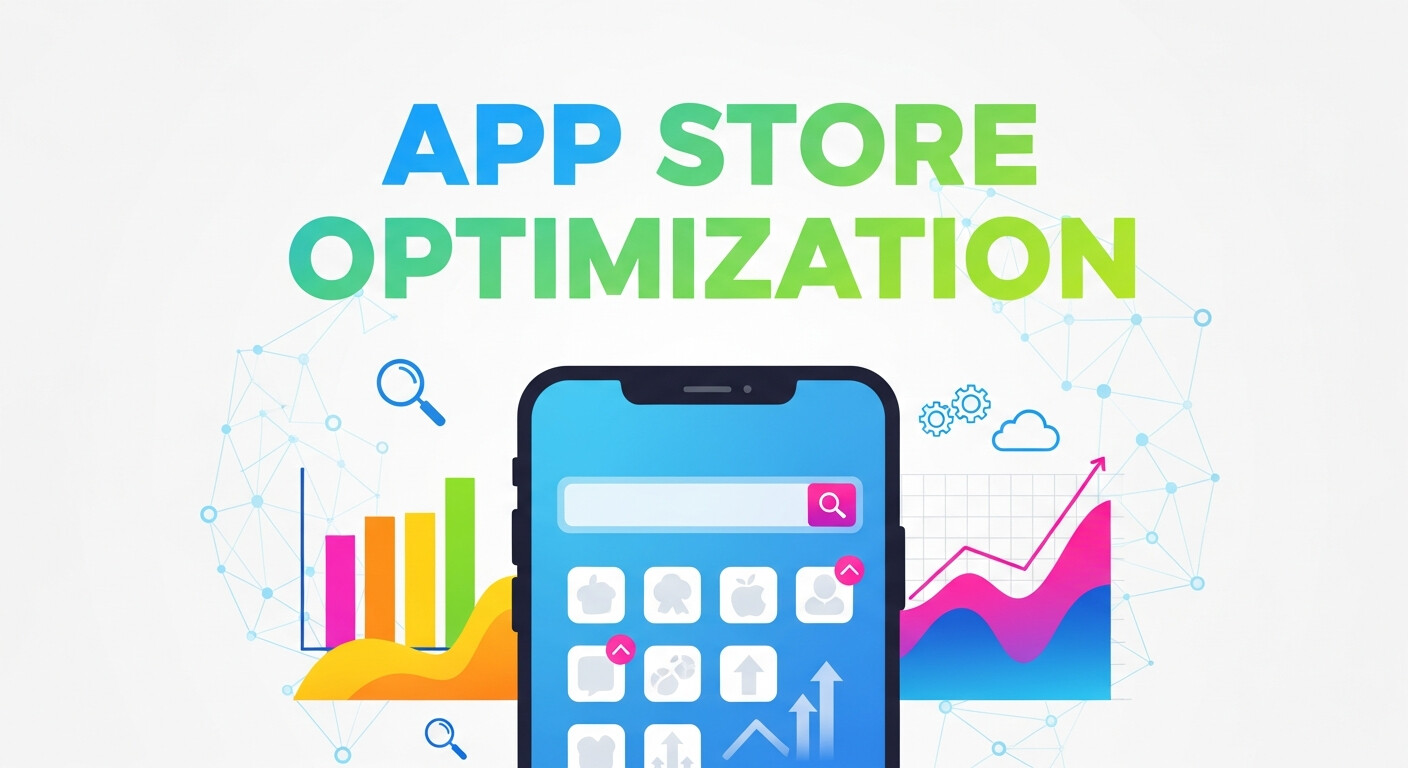
Best Tools for App Store Optimization (ASO)
1. AppTweak
App Tweak offers in-depth ASO insights to help you optimize your app listing, identify the right keywords, and analyze competitors. Its easy-to-follow dashboard makes it ideal for marketers who want effective ASO without a steep learning curve.
Key Features
- Keyword research tailored to your target audience.
- Competitor analysis that provides insights into rival strategies.
- Performance tracking to monitor rankings and downloads.
2. Sensor Tower
Looking for a tool with a strong focus on global app trends? Sensor Tower is perfect for teams that want to uncover growth opportunities in competitive markets.
Key Features
- Keyword ranking trends across different countries.
- Ad intelligence to analyze competitors’ ad campaigns.
- Custom reports to track your app’s visibility and growth.
Tools for Running Effective Ad Campaigns
3. Adjust
Adjust simplifies marketing attribution and ad campaign optimization. By tracking where your app installs are coming from, you can identify high-performing channels and eliminate inefficiencies in your ad spend.
Key Features
- Multi-channel attribution for paid ads, organic installs, and referral traffic.
- Customizable dashboards that offer granular insights.
- Fraud prevention tools to ensure your ad budget is well spent.
4. Facebook Ads Manager
With billions of active monthly users, Facebook and Instagram are unmatched in audience reach. With Facebook Ads Manager, you can run targeted campaigns to drive app installs and engagement.
Key Features
- Precise targeting by demographics, interests, and behaviors.
- A/B testing for creative assets to maximize ad performance.
- Retargeting campaigns to re-engage users who’ve shown interest.
Analytics and Performance Monitoring Tools
5. Firebase
Developed by Google, Firebase offers powerful tools for tracking in-app events and user behavior. Its analytics capabilities provide a clear picture of where users engage and where they drop off.
Key Features
- Real-time user data tracking.
- Crash lyrics that identify technical issues affecting performance.
- Push notifications to improve user retention.
6. Mixpanel
Mixpanel specializes in advanced user analytics, making it easy to assess your audience’s habits and prioritize features that add the most value.
Key Features
- Funnel analysis to identify drop-off points.
- Cohort analysis to segment users for targeted campaigns.
- Predictive insights that forecast behavior trends.
Tools for Push Notifications and User Retention
7. OneSignal
OneSignal allows you to automate push notifications and in-app messages, ensuring that users are consistently engaged with your app. It’s an easy-to-use platform for re-engaging lapsed users.
Key Features
- Rich media integration for visually engaging notifications.
- A/B testing to determine the most effective message copy.
- Seamless integration with major platforms like Shopify and WordPress.
8. Braze
Braze provides a comprehensive platform for managing customer lifecycles, from acquisition to retention. Its push notification capabilities are ideal for creating hyper-personalized messaging.
Key Features
- Multi-channel engagement, including email, SMS, and push notifications.
- Behavior-based triggers for real-time outreach.
- Advanced reporting to measure campaign performance.
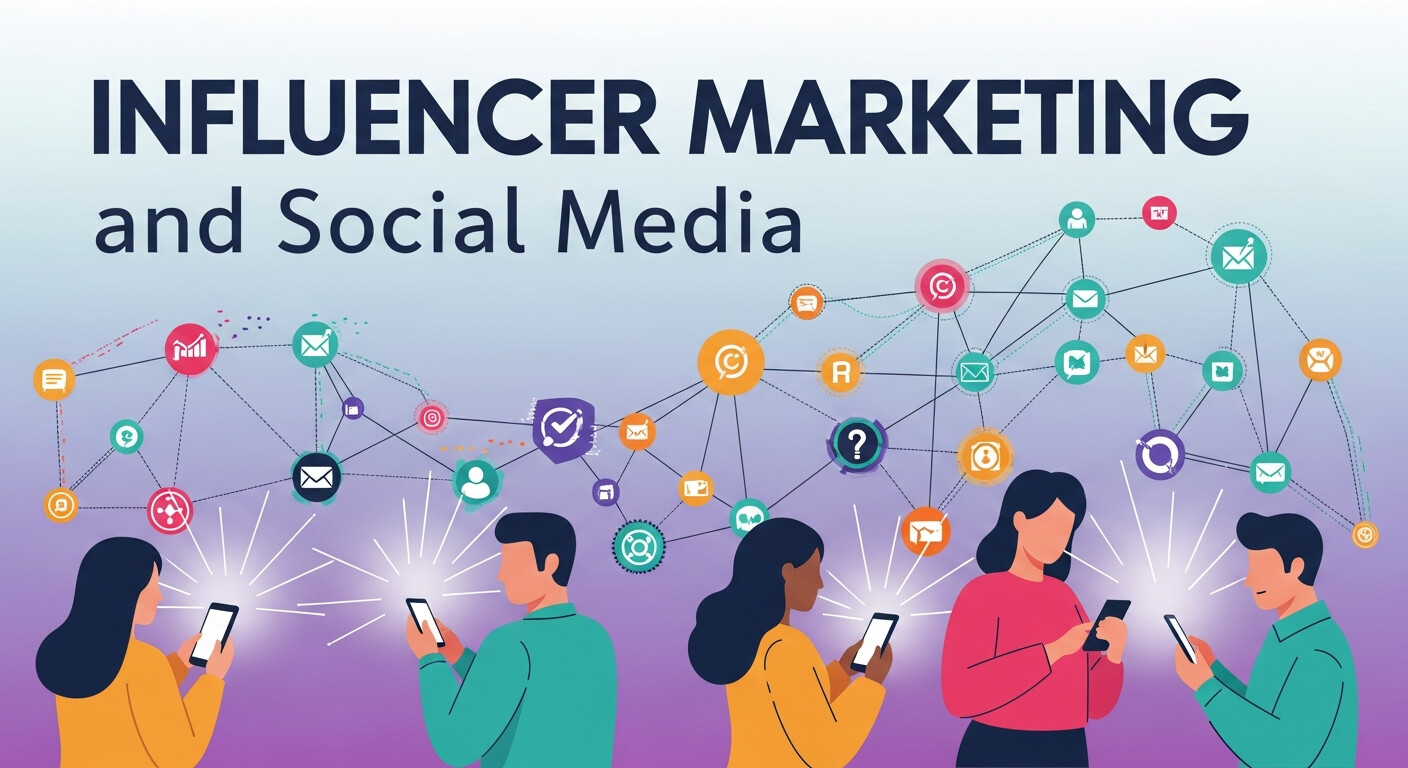
Tools for Influencer Marketing and Social Media
9. BuzzGuru
Influencer marketing is a powerful strategy for driving app installs, and BuzzGuru makes it easy to find creators in your niche. You can track influencer campaigns to monitor ROI and identify effective partnerships.
Key Features
- A vast network of influencers across YouTube, Instagram, and TikTok.
- Campaign tracking and analytics to measure impact.
- Creative brainstorming support for successful influencer activations.
10. Hootsuite
Hootsuite is one of the best tools for managing multiple social media accounts. It allows you to schedule posts, engage with your audience, and measure campaign results, all in one platform.
Key Features
- Scheduling and auto-publishing across platforms.
- Social listening to learn what’s being said about your app.
- Detailed performance reports for optimizing campaigns.
App Store Ratings and Review Management

App store ratings and reviews play a critical role in influencing download decisions. Users often rely on social proof before installing an app, making reputation management essential. Marketing tools that monitor reviews help teams respond quickly to user feedback, address complaints, and highlight positive experiences. Prompt responses improve trust and signal active maintenance. Analytics-driven review tracking also reveals recurring issues and feature requests. By analyzing sentiment trends, marketers can prioritize updates that directly impact satisfaction. Strong ratings improve ASO rankings and conversion rates. Managing reviews is not just about damage control—it’s a growth lever that enhances credibility, visibility, and long-term user confidence.
User Segmentation and Targeting Tools
Not all users behave the same, and effective marketing depends on understanding these differences. User segmentation tools divide audiences based on behavior, demographics, location, device type, and engagement levels. This allows marketers to deliver highly relevant messages rather than generic campaigns. Segmented targeting improves push notification performance, reduces churn, and increases conversion rates. Advanced tools use behavioral data to dynamically update segments in real time. By understanding who your users are and how they interact with your app, you can personalize communication, improve retention, and allocate marketing budgets more efficiently across high-value segments.
Lifecycle Marketing Automation
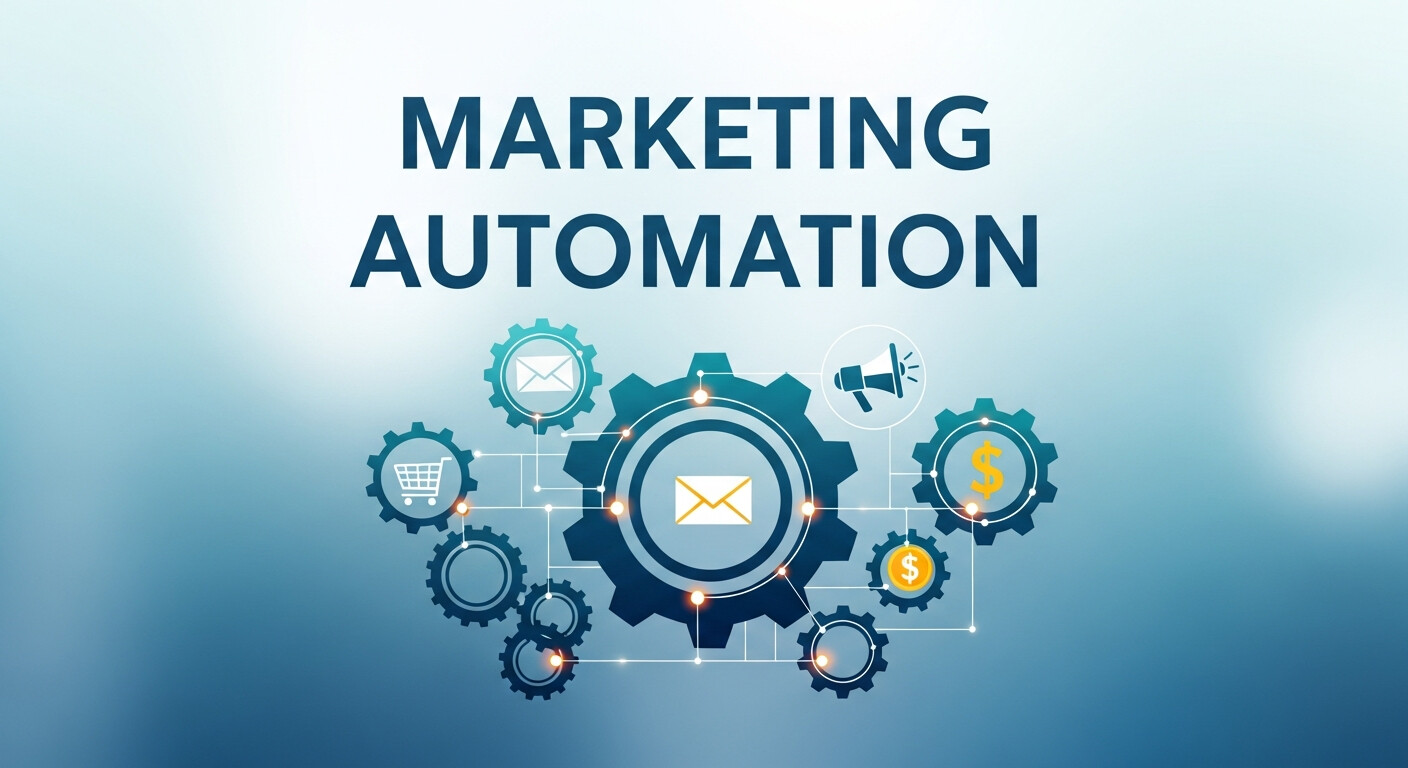
Lifecycle marketing tools help guide users through every stage of their journey, from first install to long-term loyalty. Automation platforms trigger messages based on user actions such as onboarding completion, inactivity, or purchases. This ensures users receive timely, relevant communication without manual effort. Automated workflows improve engagement by delivering the right message at the right moment. They also reduce churn by reactivating dormant users and nurturing active ones. Lifecycle marketing transforms one-time downloads into long-term users. With automation in place, teams can scale personalized engagement while maintaining consistent communication across the entire user lifecycle.
A/B Testing and Experimentation Platforms
A/B testing tools allow marketers to experiment with different creatives, messages, onboarding flows, and notifications to identify what performs best. Instead of relying on assumptions, teams can use real data to guide decisions. Testing small changes—such as button text, visuals, or notification timing—can produce significant performance improvements. These platforms provide statistically reliable insights into user preferences and behavior. Continuous experimentation encourages a culture of optimization and learning. Over time, data-backed refinements lead to higher conversion rates, better retention, and stronger overall app performance. Testing ensures growth strategies are driven by evidence, not guesswork.
Attribution and User Acquisition Tracking
Attribution tools help marketers understand where users come from and which channels drive the highest-quality installs. With multiple touchpoints across ads, influencers, organic search, and referrals, attribution clarifies what truly works. These tools track user journeys from click to install and beyond, connecting acquisition sources to retention and revenue. Accurate attribution prevents wasted ad spend and helps scale high-performing campaigns. It also supports smarter budget allocation and performance forecasting. Without attribution, marketers risk making blind decisions. With it, teams gain clarity, accountability, and control over their user acquisition strategies.
In-App Engagement and Feature Adoption Tools
Driving downloads is only the first step—getting users to adopt key features is what creates value. In-app engagement tools guide users through interactive tutorials, tooltips, walkthroughs, and contextual prompts. These features help users understand app functionality quickly and reduce frustration. Feature adoption tools also track which features are underused, enabling teams to improve visibility or redesign flows. When users experience value faster, retention improves. Engaged users are more likely to convert, subscribe, or recommend the app. In-app engagement tools bridge the gap between installation and meaningful usage.
Privacy, Compliance, and Data Security Tools
With increasing regulations around user data, privacy and compliance tools are now essential in app marketing. These tools help manage consent, data collection policies, and regulatory requirements such as GDPR and CCPA. Transparent data handling builds user trust and protects brands from legal risks. Security-focused tools also safeguard sensitive user information from breaches. As personalization and analytics grow more advanced, ethical data usage becomes a competitive advantage. Apps that prioritize privacy demonstrate responsibility and professionalism. Compliance tools ensure marketing efforts remain sustainable, trustworthy, and aligned with evolving global standards.
Integrating Mobile App Marketing Tools Into Your Strategy
With so many tools available, integrating them seamlessly into your strategy may seem overwhelming. Here are a few tips to simplify the process:
- Start with clear goals. Whether it’s increasing installs, reducing churn, or improving app ratings, define your objectives before choosing tools.
- Use a mix of solutions. Combining ASO, ad campaigns, analytics tools, and push notifications will cover all the bases.
- Test and optimize. Regularly assess tool performance and refine your strategy based on results.
The Future of Mobile App Marketing
Mobile app marketing tools are getting smarter as AI and machine learning continue to evolve. Companies are already looking beyond another advertising strategy: instead, they want businesspeople to better understand user needs, data, and technology ratings. Beginning with predictive analysis through to personalized experiences, the advances will help businesses with their digital marketing: they can engage users more effectively and maximize ROI than ever before. Now, you have control over what your stack even looks like.
By choosing the right combination of tools, you can build an app marketing system that meets your particular needs.
Frequently Asked Questions (FAQ)
1. What are mobile app marketing tools?
Mobile app marketing tools are software platforms designed to help promote, optimize, analyze, and grow mobile applications. They support activities such as app store optimization, paid advertising, analytics tracking, user engagement, retention, and influencer marketing, ensuring apps reach the right audience and achieve sustainable growth.
2. Why are mobile app marketing tools important?
Mobile app marketing tools are essential because the app marketplace is highly competitive. With millions of apps available, these tools help improve discoverability, attract high-quality users, track performance, reduce churn, and maximize return on investment by enabling data-driven decisions.
3. What tools are best for App Store Optimization (ASO)?
Tools like AppTweak and Sensor Tower are widely used for ASO. They help identify high-performing keywords, analyze competitors, track app rankings, and monitor visibility across different app stores and regions, making it easier to improve organic downloads.
4. Which tools help run effective app advertising campaigns?
Adjust and Facebook Ads Manager are popular choices for app advertising. Adjust focuses on attribution and campaign performance tracking, while Facebook Ads Manager allows precise audience targeting, creative testing, and retargeting across Facebook and Instagram.
5. How can analytics tools improve app performance?
Analytics tools such as Firebase and Mixpanel provide insights into user behavior, engagement patterns, and drop-off points. By analyzing this data, marketers can optimize onboarding flows, improve features, fix technical issues, and make informed decisions that enhance user experience and retention.
6. What tools are best for push notifications and user retention?
OneSignal and Braze are highly effective for push notifications and lifecycle marketing. They allow brands to send personalized messages, trigger notifications based on user behavior, and manage multi-channel engagement to keep users active and reduce churn.
7. How do influencer marketing tools help mobile apps?
Influencer marketing tools like BuzzGuru help brands find relevant creators, manage campaigns, and track performance. These tools make it easier to partner with influencers who can authentically promote apps, drive quality installs, and build trust with niche audiences.
8. Can social media management tools help app marketing?
Yes, tools like Hootsuite help manage multiple social media accounts, schedule posts, monitor conversations, and analyze performance. Social media management tools support brand awareness, community engagement, and consistent promotion of mobile apps.
9. How do I choose the right mobile app marketing tools?
Choosing the right tools starts with defining clear goals, such as increasing installs, improving retention, or boosting engagement. A balanced stack usually includes ASO tools, analytics platforms, advertising solutions, and engagement tools. Testing and ongoing optimization are key to finding the best fit.
10. What is the future of mobile app marketing tools?
The future of mobile app marketing tools lies in AI-driven personalization, predictive analytics, automation, and real-time decision-making. As technology evolves, these tools will enable marketers to better understand user behavior, deliver tailored experiences, and achieve higher ROI with greater efficiency.


